5 Ways Agricultural Robots Are Changing Modern Farming
While human labor is still a large part of agriculture, robots are also taking to the fields. Here are a few ways that agricultural robots are changing farming now and in the years ahead.
5 Ways Agricultural Robots Are Changing Modern Farming
While human labor is still a large part of agriculture, robots are also taking to the fields. Here are a few ways that agricultural robots are changing farming now and in the years ahead.
Technological advancements are constantly changing sectors of the economy, and agriculture is no different. While innovations like the Haber-Bosch process and the cotton gin forever changed the process of growing and harvesting crops, the modern era continues to bring new breakthroughs.
Although robots aren’t present in every farm field, they’re increasing in presence and implementing new technologies. Here are a few ways you can expect agricultural robots to alter the farming landscape in the years ahead.
More Precise Nutrient Applications
When farmers apply fertilizer, they often use data to drive their decisions. Soil tests and crop nutrient needs can determine how much of each nutrient to apply to the soil. However, collecting this data and applying the inputs are typically two different actions.
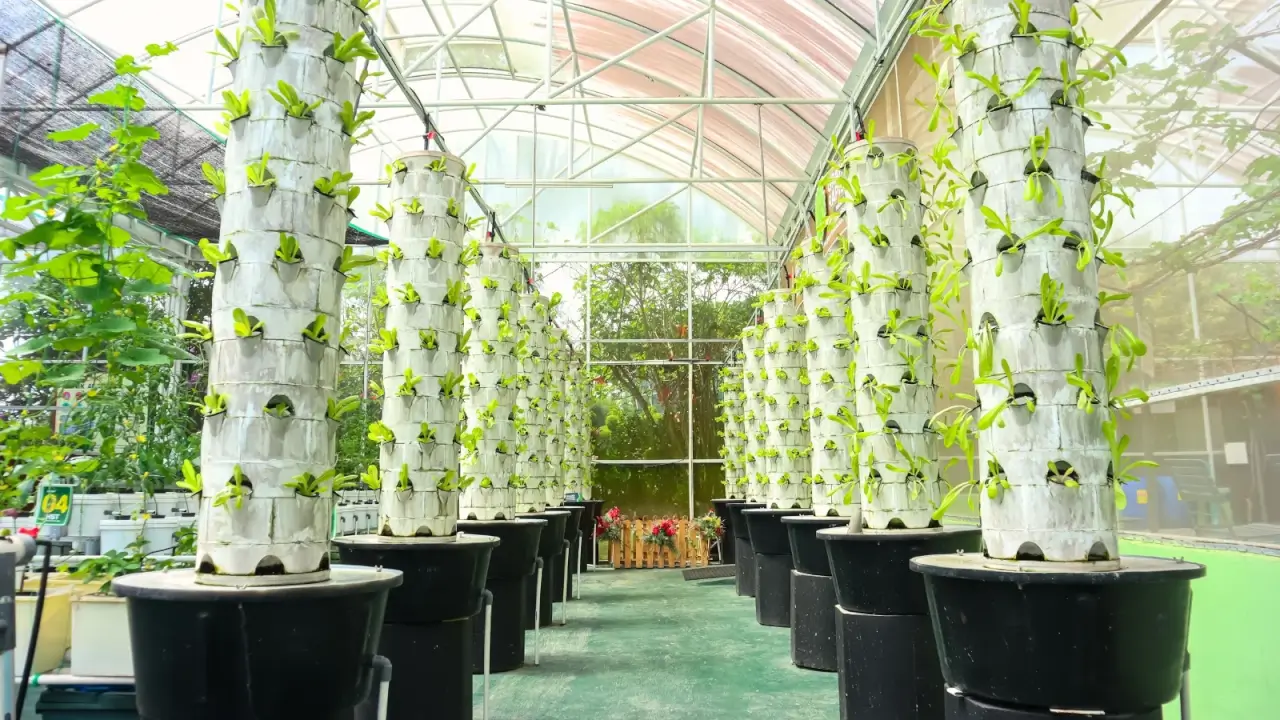
Robots may change that. Automated nutrient dosing systems already exist in hydroponic operations. These systems use technology to monitor the pH and electronic conductivity (EC) of the nutrient solution, then use this data to apply the correct amount of nutrients. While humans have to set the dosing rates based on the crop, these systems remove the need for humans to manually test the solution and add fertilizer.
While nutrient runoff isn’t a big problem in hydroponic systems, it can be outdoors. Overapplying fertilizer not only wastes money, it harms the environment as the excess nutrients run off into waterways. Precision fertilization application can help limit excess nutrients.
Agricultural robots can help with nutrient application in multiple ways. Some robots have sensors and cameras that allow them to quickly scan a field and detect nutrient deficiencies in certain areas. They can also use sensors to determine the soil moisture, pH, and available nutrients. Others can use this data to apply the precise amount of nutrients to the crops that need them.
Reduced Need for Human Labor

Even with advances in technology, many agricultural practices are still completed by humans. Harvesting, trellising, weeding, and planting are a few tasks that farm workers often complete.
It’s possible that agricultural robots will eliminate the need for some of this labor. Multiple companies are designing robots that use lasers to kill weeds. These machines self-drive through fields and decipher weeds from the planted crops. They then use lasers to zap the small weeds, killing them without disturbing the soil or using herbicides.
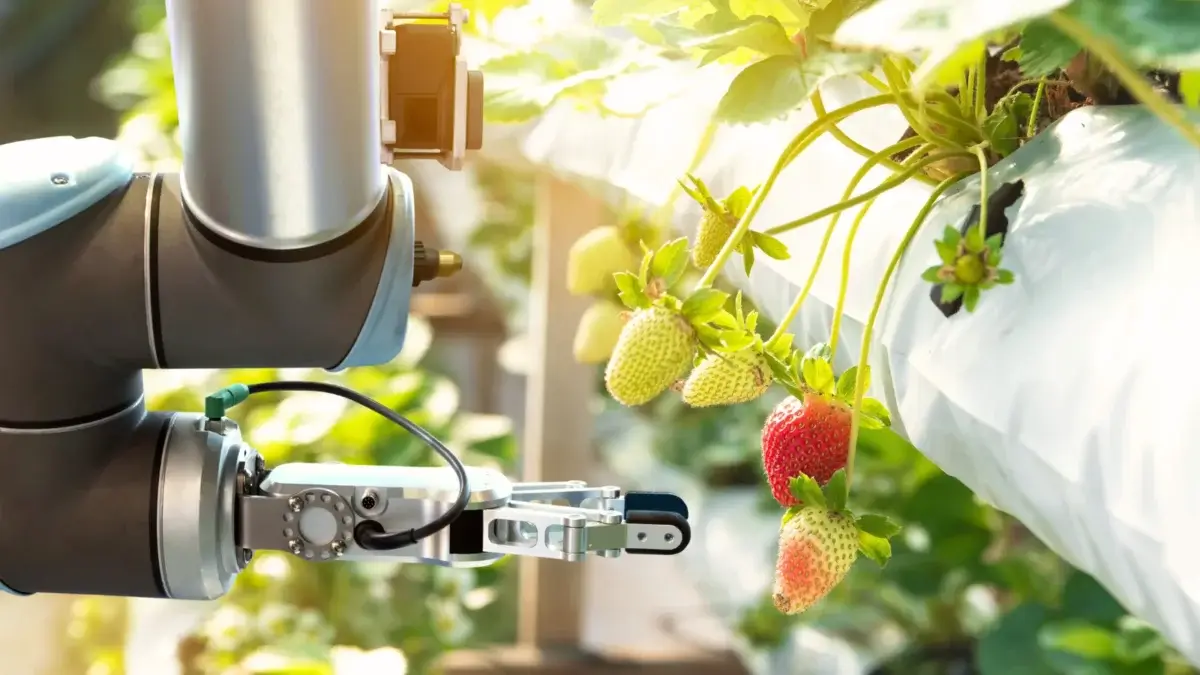
Other companies are working on producing agricultural robots that can take over some of the work of harvesting. This is a complex task since crops like fruits and flowers must be harvested at a particular growth stage or color. Plus, these crops are fragile and easily damaged during the harvesting process.
Some robots are able to detect the color of fruits, select ripe ones, and gently pluck them from the plant. This could lessen the need for human labor in a field that currently heavily relies on it.
Less Time in the Tractor

Thanks to GPS-driven technology, autonomous tractors are becoming more common in large-scale operations. These devices can drive their way around fields without a human at the wheel, making the correct turns and completing actions like planting, cultivating, and harvesting.
These technologies will limit the amount of time that farmers spend in tractors, allowing them to allot their time to tasks like communicating with customers and spending time with their families.
Of course, these tractors come with a hefty price tag, so they’re not accessible to all growers. Small and mid-size growers will likely still rely on human-driven tractors unless these technologies become more affordable.
Precision Pest Control

Scouting fields for pests can be a time-consuming task, especially when you’re working with large acreage or multiple types of crops. Currently, many farmers rely on scouting and the economic threshold to determine whether or not it makes sense to apply pest control measures. However, that might change with the help of robots.
Some agricultural robots are able to scout fields and apply pesticides or beneficial predators at the exact locations where pests occur. This limits the need for large applications, saving farmers money and removing unnecessary pesticide applications. This can also mean healthier crops and better harvests.
Decreased Water Use

Just like there are robots that can monitor soil pH and the presence of pests, there are also machines that can detect soil moisture levels. When you combine this moisture data with irrigation systems, agricultural robots are able to apply water to the plants that need it at the correct time.
Rather than watering a whole field or block of plants, precision irrigation systems can water a few hundred strawberry plants or a single row of orange trees. This limits water use while allowing plants to remain healthy.
These irrigation robots may particularly impact areas facing water shortages. If growers can get away with using less water, they may be able to continue to grow crops in areas where water scarcity is a major concern. Whether or not it’s ethical to continue large-scale, water-intensive agriculture in these areas is another question.
Futuristic Farming Has Arrived with Weeding Robots
Meet Oz, Dino and Ted.

