Our Favorite Pumpkins to Grow on the Farm
Pumpkin dreams become pumpkin plans! Check out our favorite pumpkin varieties to grow on the farm, whether for pies, for market, for decorations, or just to enjoy.
Our Favorite Pumpkins to Grow on the Farm
Pumpkin dreams become pumpkin plans! Check out our favorite pumpkin varieties to grow on the farm, whether for pies, for market, for decorations, or just to enjoy.
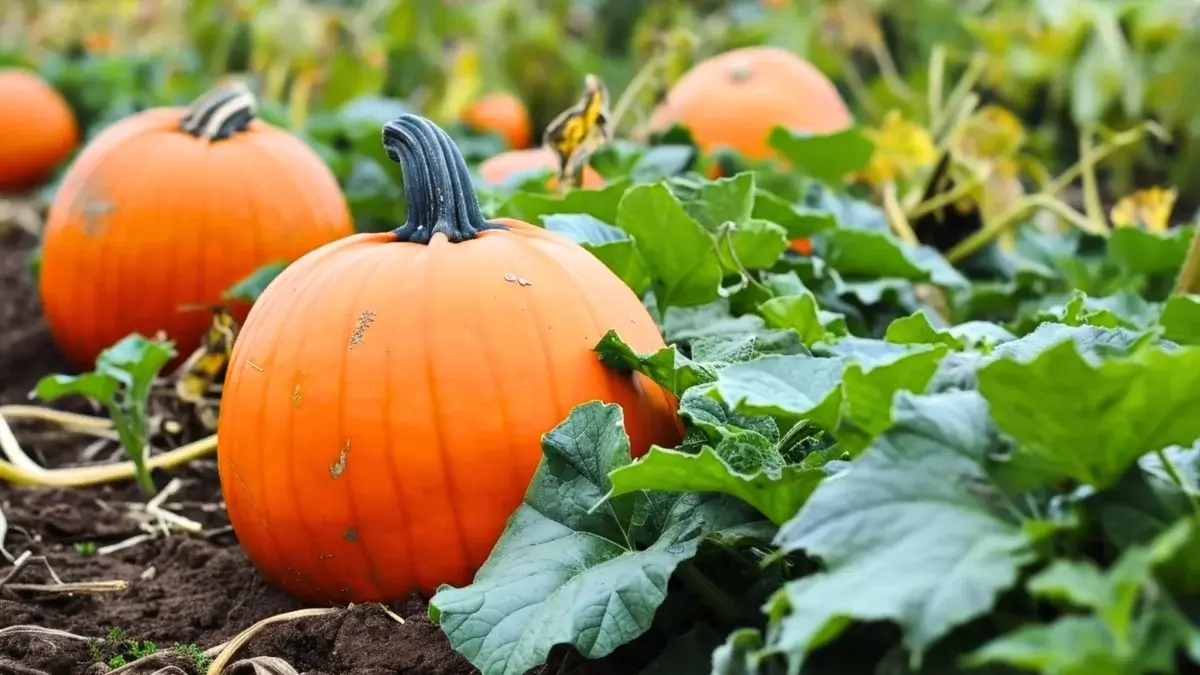
The fall and pumpkins are synonymous, but that wasn’t always the case. The jack-o’-lantern tradition began in Ireland and Scotland with turnips. At the time, pumpkins weren’t present in the area, and these root veggies or potatoes were set to imitate Stingy Jack.
During the Potato Famine, massive numbers of Irish and Scottish people migrated to North America, where pumpkins are from. This isn’t the only reason to grow pumpkins, though. Most are edible, after all. Some of the most interesting varieties with the weirdest look pack the biggest flavor punch.
The gourd isn’t just for Halloween. Throughout its cultivation, pumpkins have been bred for various desirable traits, whether for their size, shape, edibility, or even skin texture. No matter the reason, there are some really great cultivars on the market. Here are some of our favorites.
Short Season Pumpkins
If you still have three months of mild weather ahead, you can still grow some of these pumpkins. If you’re well on your way to frosty days, keep these in your back pocket for next summer’s planting.
Batwing
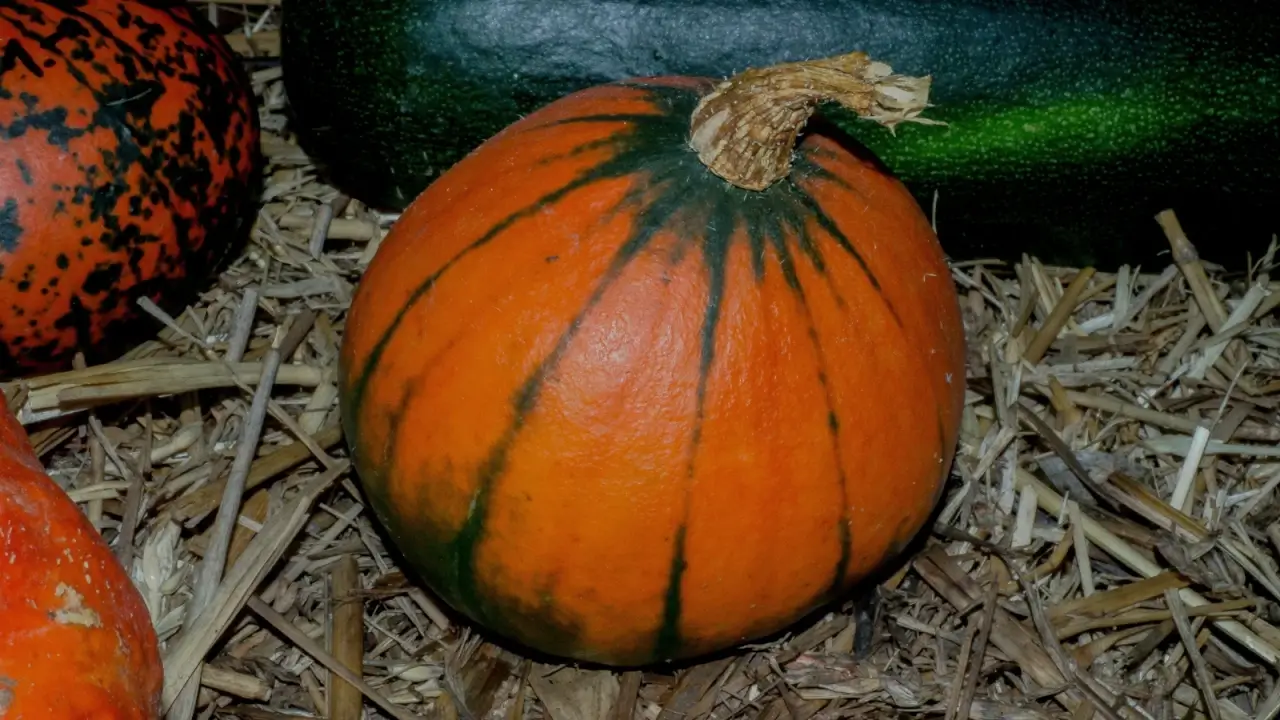
This tiny pumpkin puts other ornamentals to shame with its awesome bicolor skin – but the likelihood that it will come out that way varies. Ideally, ‘Batwing’ pumpkins are small, round, and have a base of dark green (almost black) that bleeds upward into the characteristic orange.
Each fruit is about one pound, and fully forms within 80 days. Use these small gourds to decorate your farm stand, or to encourage customers to do the same.
Casperita
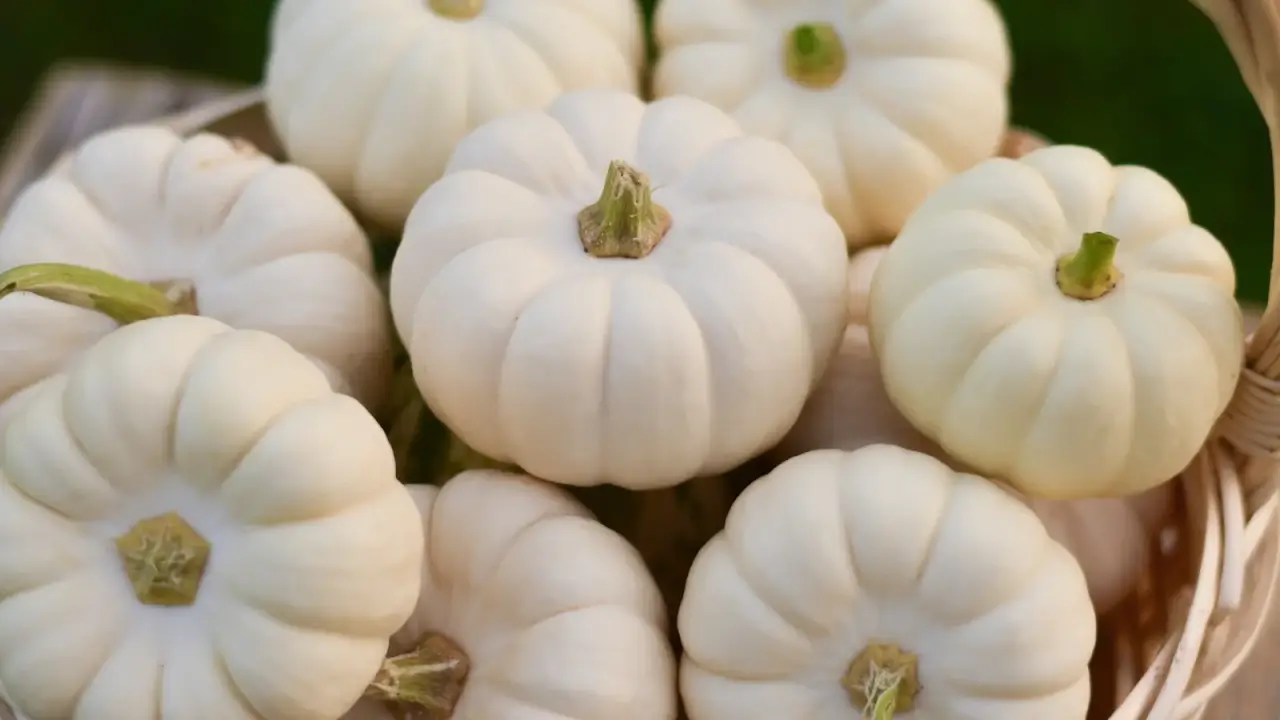
If you want tiny white pumpkins, ‘Casperita‘ is the variety for you. Ready in 75 to 80 days, these decorative gourds make an excellent ornament for your doorstep, or for fun fall-themed projects with kids. Just as the fruits are, the vines are compact, reaching no more than eight feet.
If your farm has had issues with powdery mildew and watermelon mosaic virus, don’t give up just yet! This variety handles them easily. These pumpkins are tiny, but they’re also edible, making them a good option for the fall market, particularly in the specialty category.
Pik-A-Pie
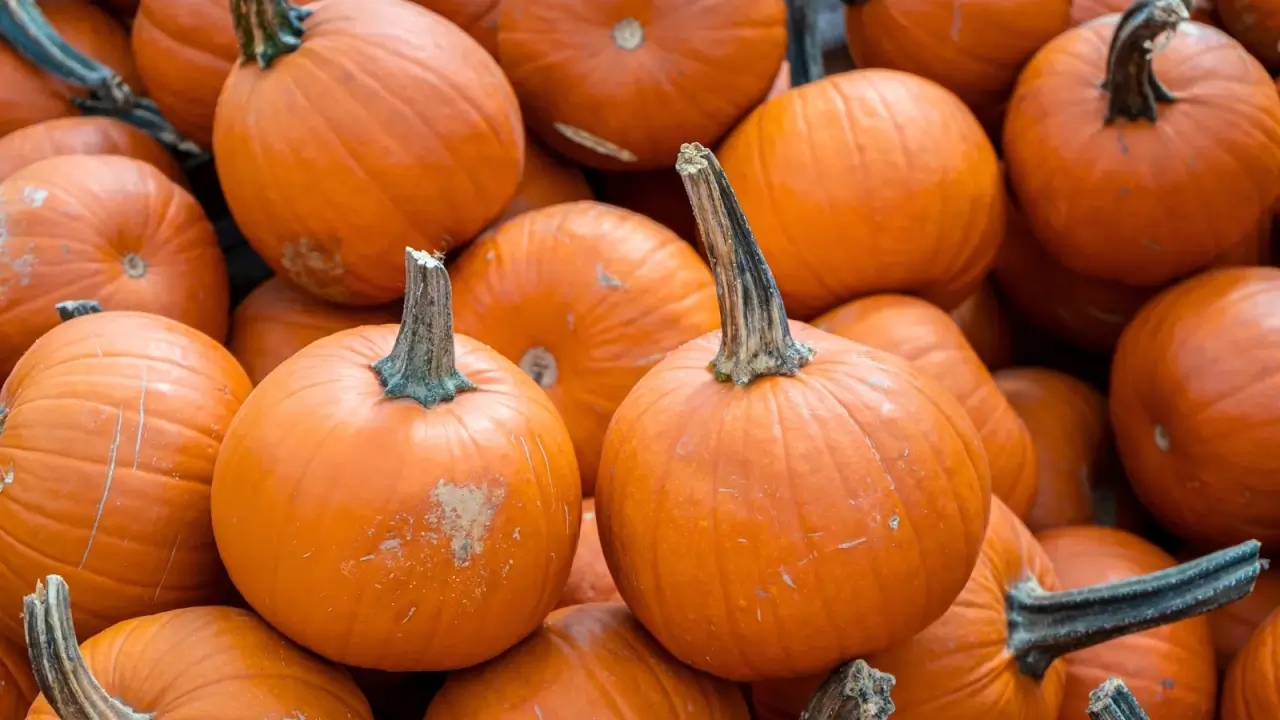
If you are a traditional grower who loves to bring pies to family gatherings or to the farmers’ market, ‘Pik-a-Pie’ is the pumpkin for you. In just 85 days, these 12-foot vines produce perfect, round, orange pumpkins full of sweet flesh, perfect for roasting and pureeing.
Each ‘Pik-a-Pie’ pumpkin is roughly five to six pounds. If you haven’t had the privilege of enjoying a pumpkin pie from an actual pumpkin, this is the one to go for.
Solid Gold
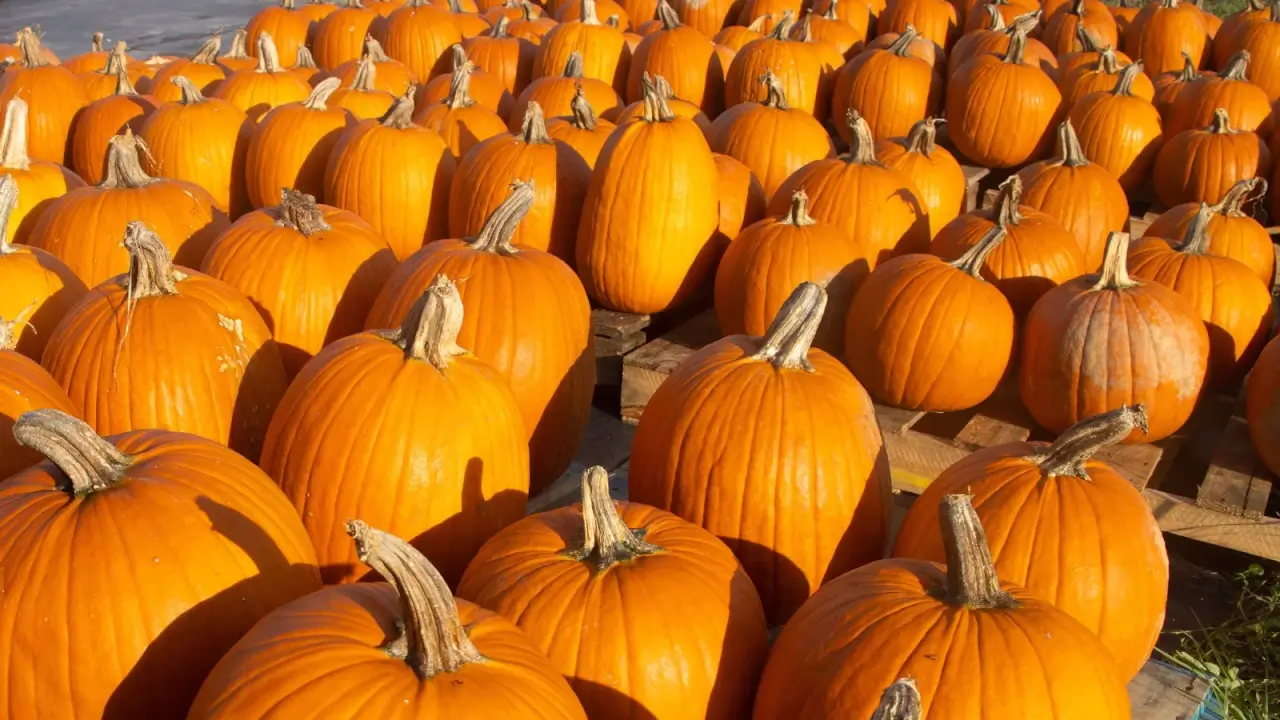
As for ‘Solid Gold’, it’s a very traditional, round pumpkin with classic orange skin. Like Jarrahdale, it takes about 100 days to mature. Bred by Rupp Seeds, this hybrid reaches 18 to 25 pounds.
Its standard shape and its shallow ribs make it perfect for carving. Even though it takes a bit longer than some of the other quick-maturing types here, it’s a good candidate for gap planting.
Long-Maturing Pumpkins
These pumpkins are best planted in summer, with at least four months left before the first frost. Most are the standard size, starting at ten pounds. A few are much larger than that. Most farmers can put these on their list for next year, but mild-climate growers can grow them now.
Jarrahdale
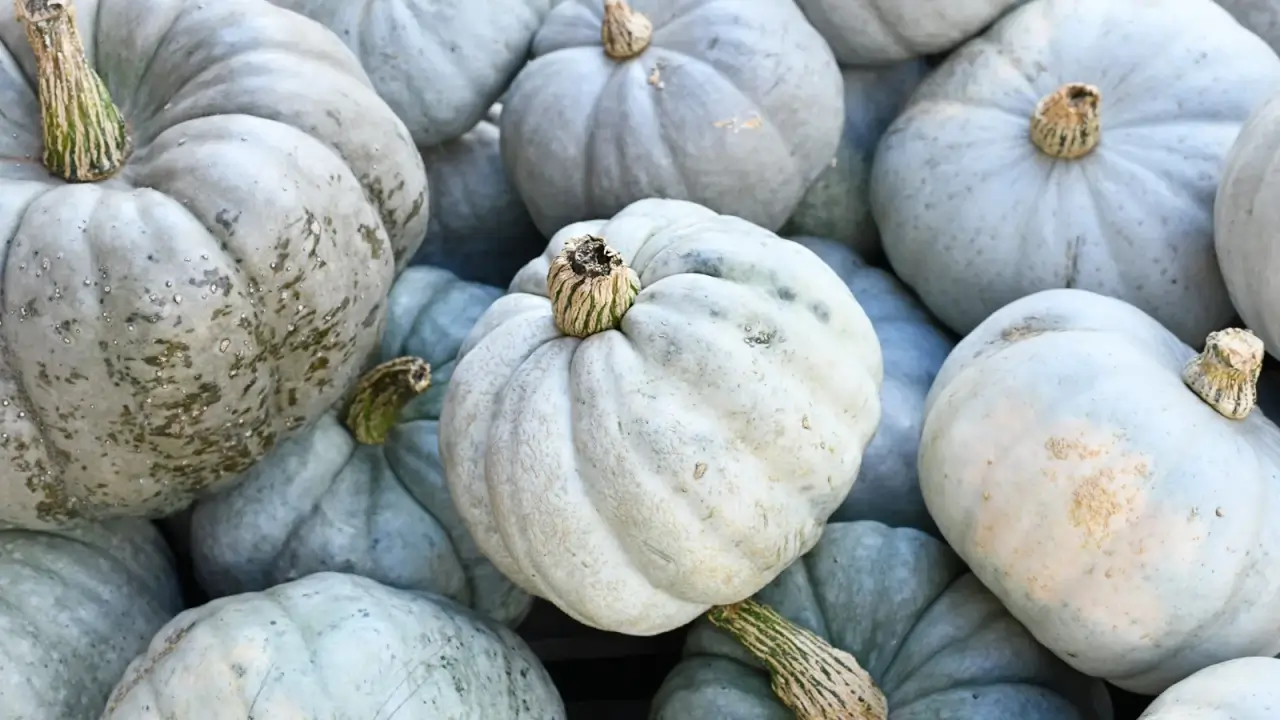
As a non-traditional pumpkin, ‘Jarrahdale‘ is a stunner. Hailing from Australia, its blue skin and deep ribs are what make this a preference for many farms. The 6 to 12 ounce pumpkins that grow from its 10 to 15 foot vines are ready within 100 days, which is on the longer side of the maturity spectrum.
But this is one of those gorgeous gourds that also tastes delicious. Its flesh is sweet and nutty, and stringless. It can be stored for up to a year when cured properly. This makes it a great option for growers who want to enjoy their pumpkins well into spring and summer.
Jack-o’-Lantern
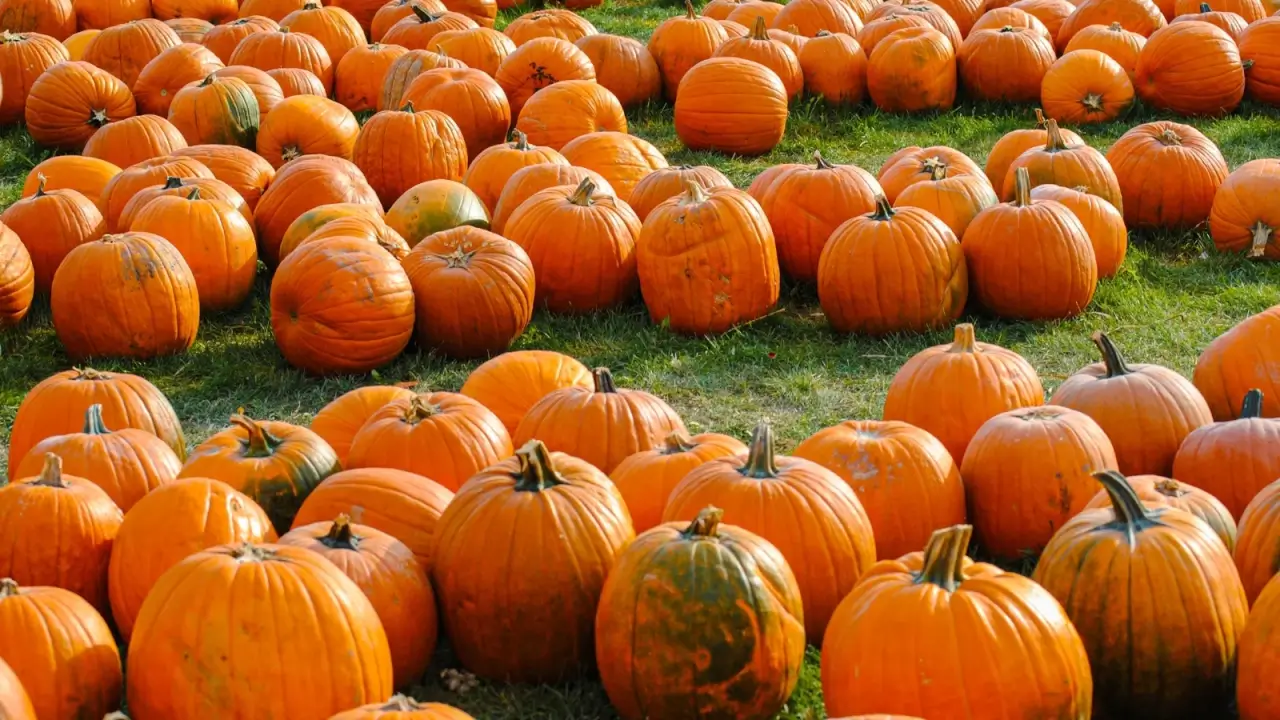
This is THE standard carving pumpkin. Each of the 10 to 20-pound gourds that come from this fast-growing vine are good for eating, too. Remove the seeds, roast the flesh, and bake it into muffins, cookies, pies, and more. It’s also a great choice for canning.
You’ll be able to harvest these within about 100 days, and up to 120. Smaller gourds mature at 90 days.
Galeux d’Eysines
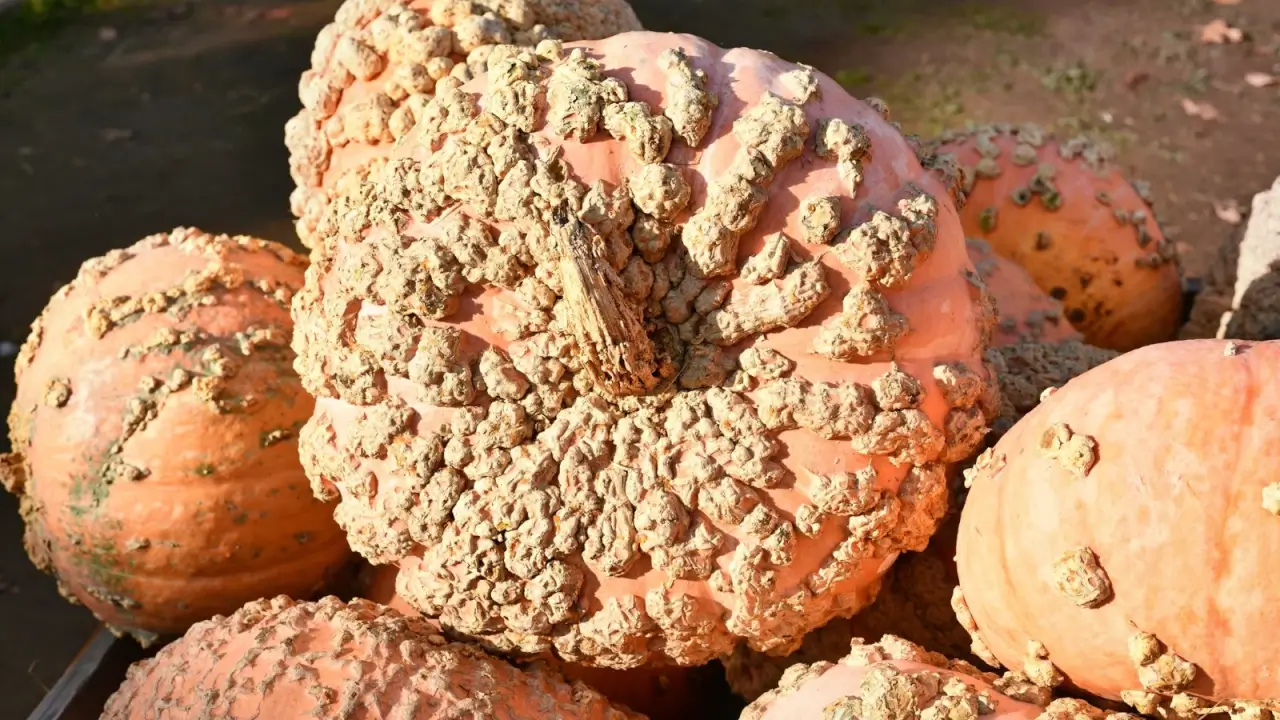
Weird pumpkins are some of the best ones out there. ‘Galeux d’Eysines‘ is one such odd, warty thing. The texture of its skin comes from a concentration of sugars that crystallize just under the surface. The peach colored skin is so interesting, especially when compared to other normal pumpkins.
The 10 to 15-foot vines grow their unique fruit within 90 to 100 days. You can simply enjoy the interesting look they provide, or do what French cultivators did – eat them!
Cinderella
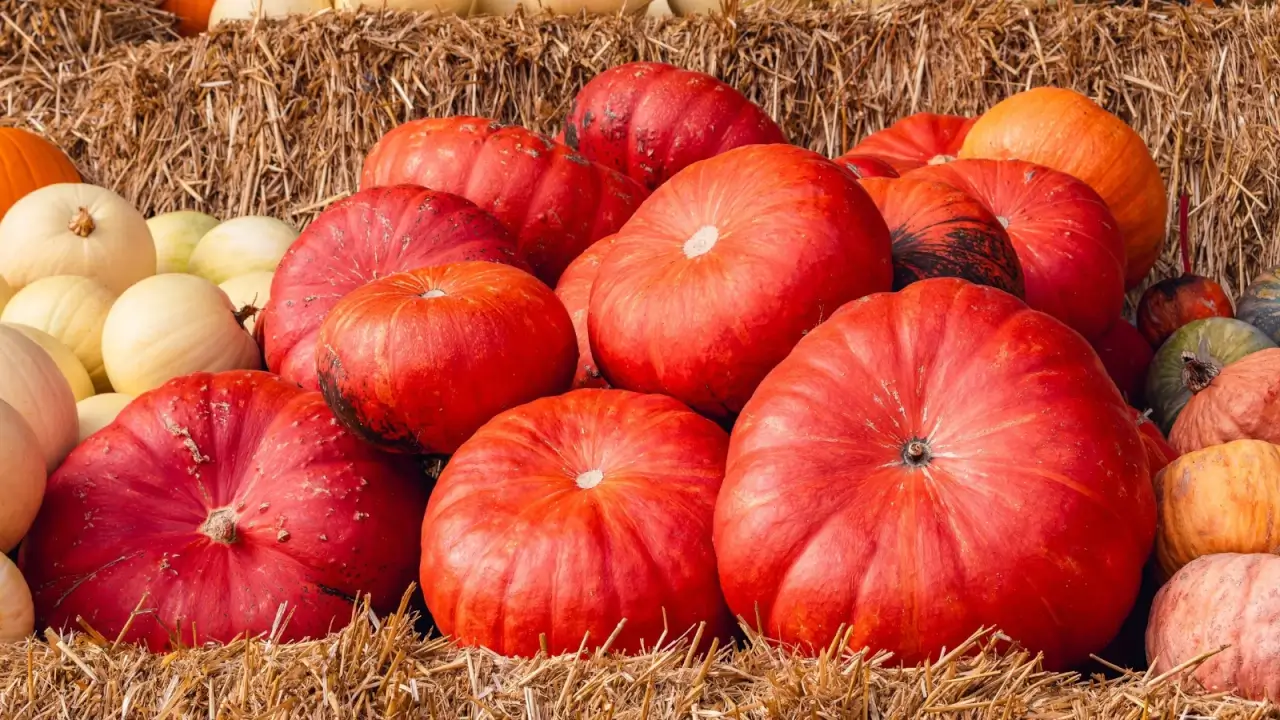
This is the pumpkin of fairy tales! With a flat, rounded shape and deep ribs, this pumpkin resembles the Fairy Godmother’s pumpkin carriage. It’s a cross between a decorative and edible gourd. Many choose to can this pumpkin due to its flavor, which is moderately sweet.
The fruits grow to 15 to 20 pounds each, but their vines remain compact in comparison at 10 feet. Enjoy these within 110 days.
Giant Pumpkins
If you’re a giant vegetable farmer and you want to win a contest, these two are meant for you. Both have their advantages, but you’ll need to plant them as soon as possible in the summer to cultivate huge gourds.
Atlantic Giant
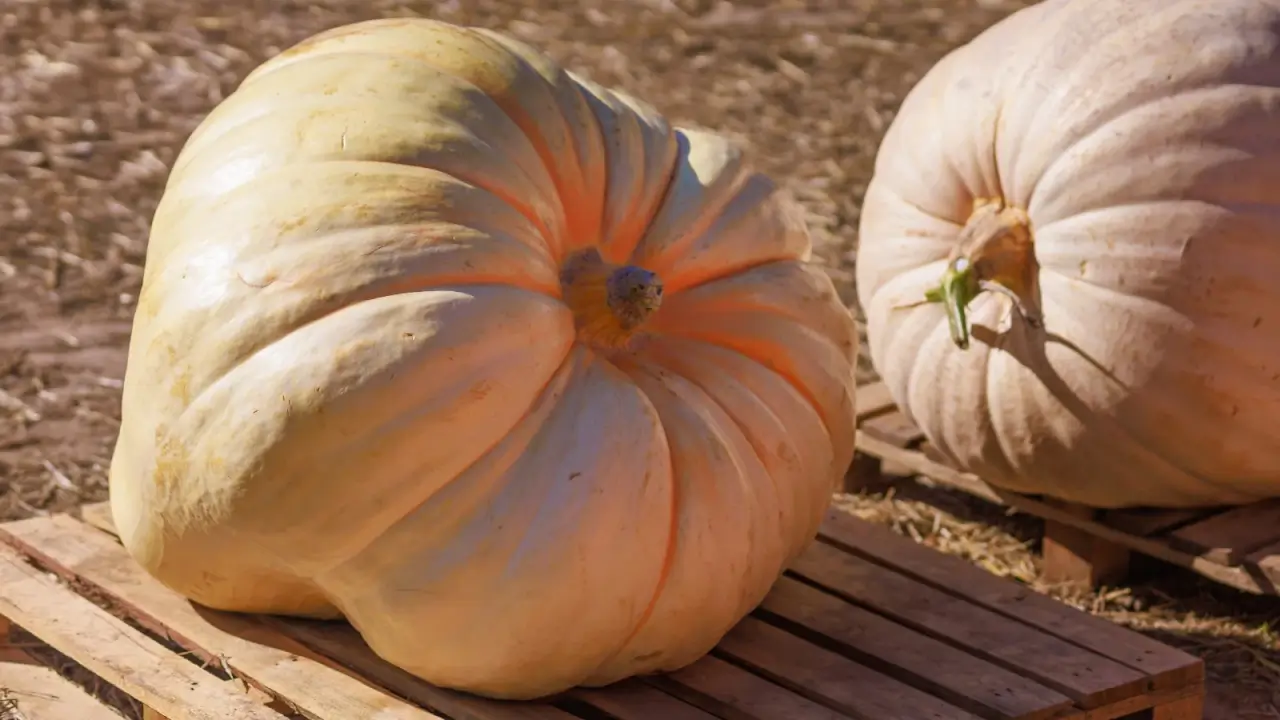
Halloween is full of monsters, and this pumpkin is no exception. Some of the most famous Atlantic Giants have grown to actual tons – that’s right! Over 2000 pounds. Naturally, these vines need a lot of room to grow to their 15 to 20-foot length. The gourds need a lot of monitoring as they mature, too.
The fruit itself looks just like a standard pumpkin, with its characteristic orange skin. And you don’t have to grow this one for the pumpkin contest if you would prefer to eat it. It’s a good gourd for pies and soups too.
Big Max
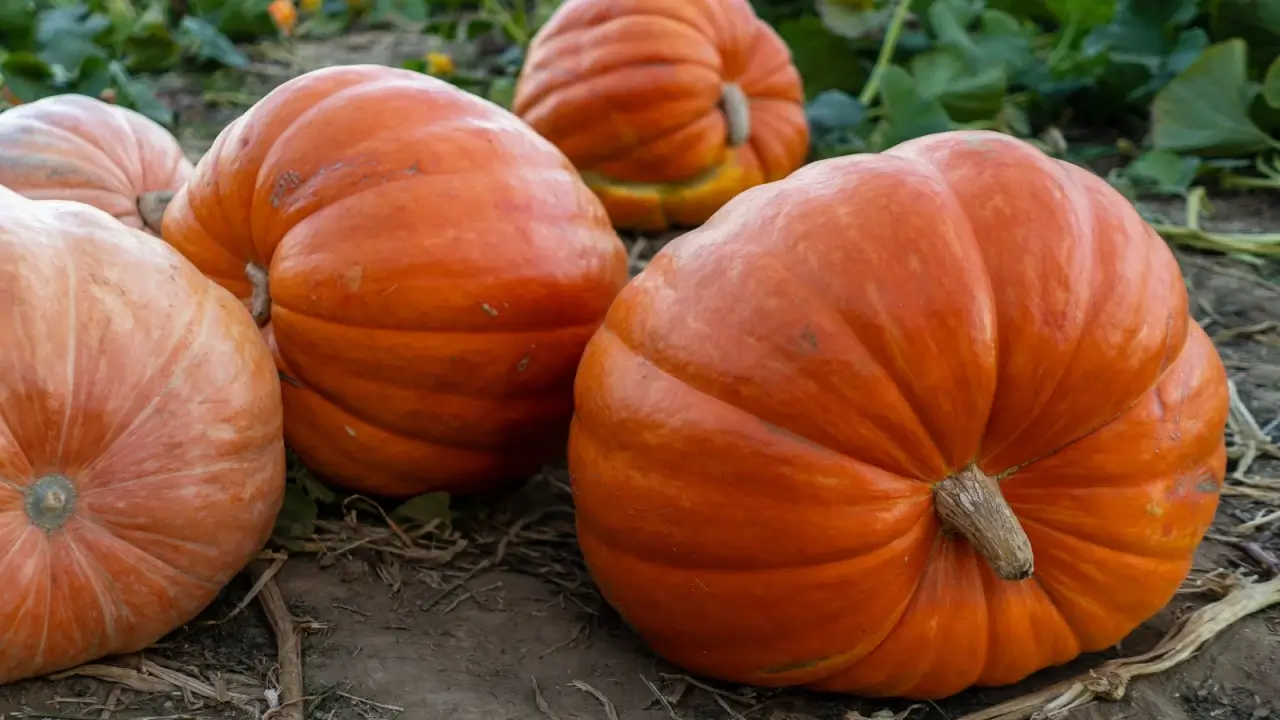
If you like ‘Atlantic Giant’, ‘Big Max’ is almost an analog, with its monstrous visage. You can expect 100 pounds or more from the vines after 120 days or so. Introduced in 1964, ‘Max’ is a standard-looking pumpkin with a large body. It’s great for canning, eating, or even carving.
Smashing Pumpkins: A Cultural History of a Halloween Tradition
How the wonton destruction of pumpkins became a Halloween tradition.

