9 Fall Crops to Sow in October
Summer is gone, but fall is a prime time for planting. Don’t shut the fields down just yet, and dedicate some space to cold-hardy fall crops. Sow October seeds now, and pack in yields before winter arrives.
9 Fall Crops to Sow in October
Summer is gone, but fall is a prime time for planting. Don’t shut the fields down just yet, and dedicate some space to cold-hardy fall crops. Sow October seeds now, and pack in yields before winter arrives.
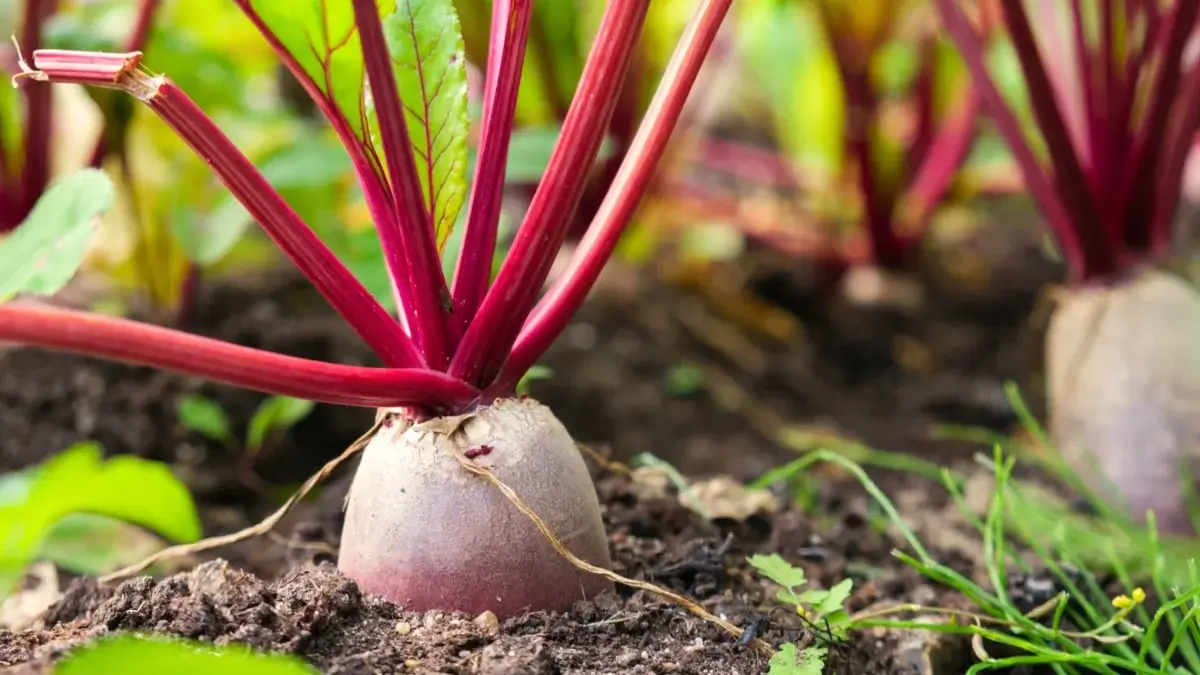
While winter does bring rest, it’s not winter yet! No matter where you farm, you can still grow yields of fall crops. Sow October seeds, and in a couple of months, you’ll be selling beautiful produce at the market. Or, sow seeds now to prepare for next year.
From cold-tolerant roots to delicate greens, there are many options for continuing cultivation as the weather cools. Some varieties are even frost-hardy, making them suitable for farmers who grow in areas with a rapid winter onset. Regardless of where you are, this is the time to sow native seeds for pollinator gardens.
Unless you live in the coldest regions of the USDA hardiness range, there is time to produce hefty crops. If you do live in those frigid areas and you have a high tunnel or indoor space, even better. You have even more ways to grow delicious vegetables.
Root Veggies
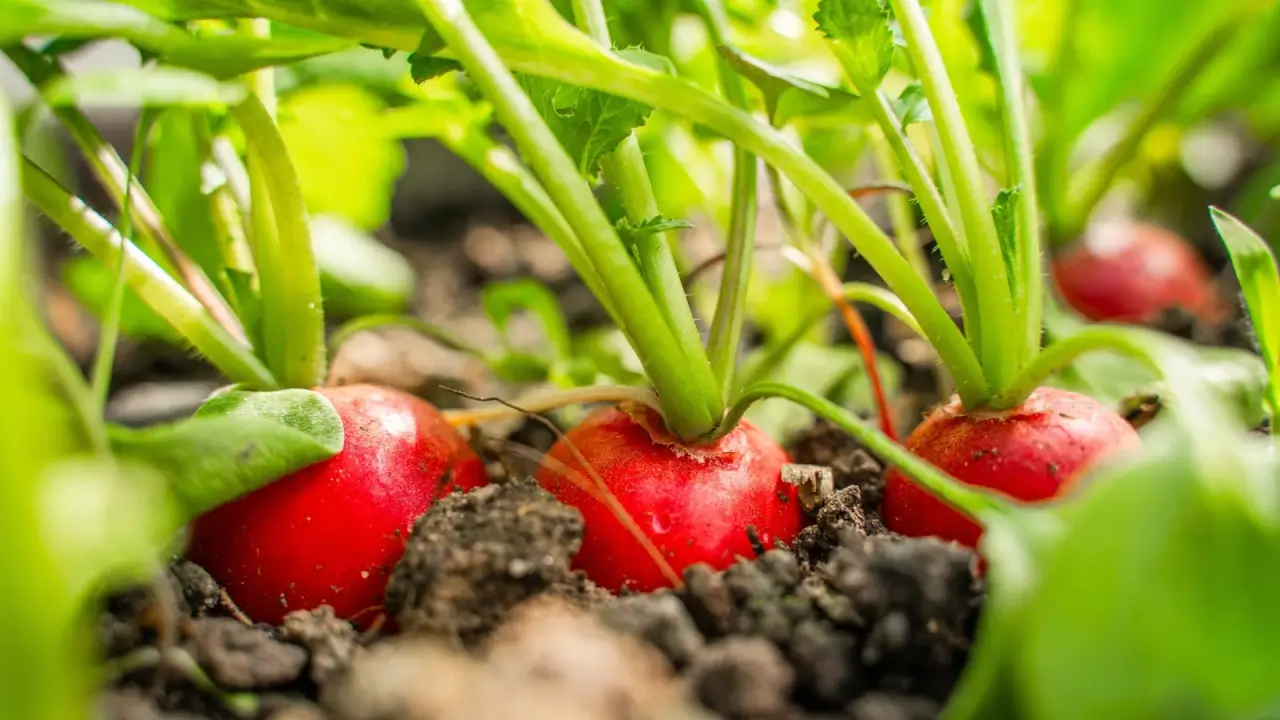
For fall crops, sow October root veggies of varying kinds. Radishes, baby beets, and small carrot varieties are perfect for shorter seasons and for farms without extension equipment. However, with at least two months of temperate weather left, growing full-sized Danvers carrots and large beets is possible.
For specialty market items, plant parsnips and rutabaga, paying close attention to the number of days to maturity. Compare this to your first frost and your expected hard freeze dates. If necessary, cover outdoor fields with low tunnels or cold frames.
Spinach
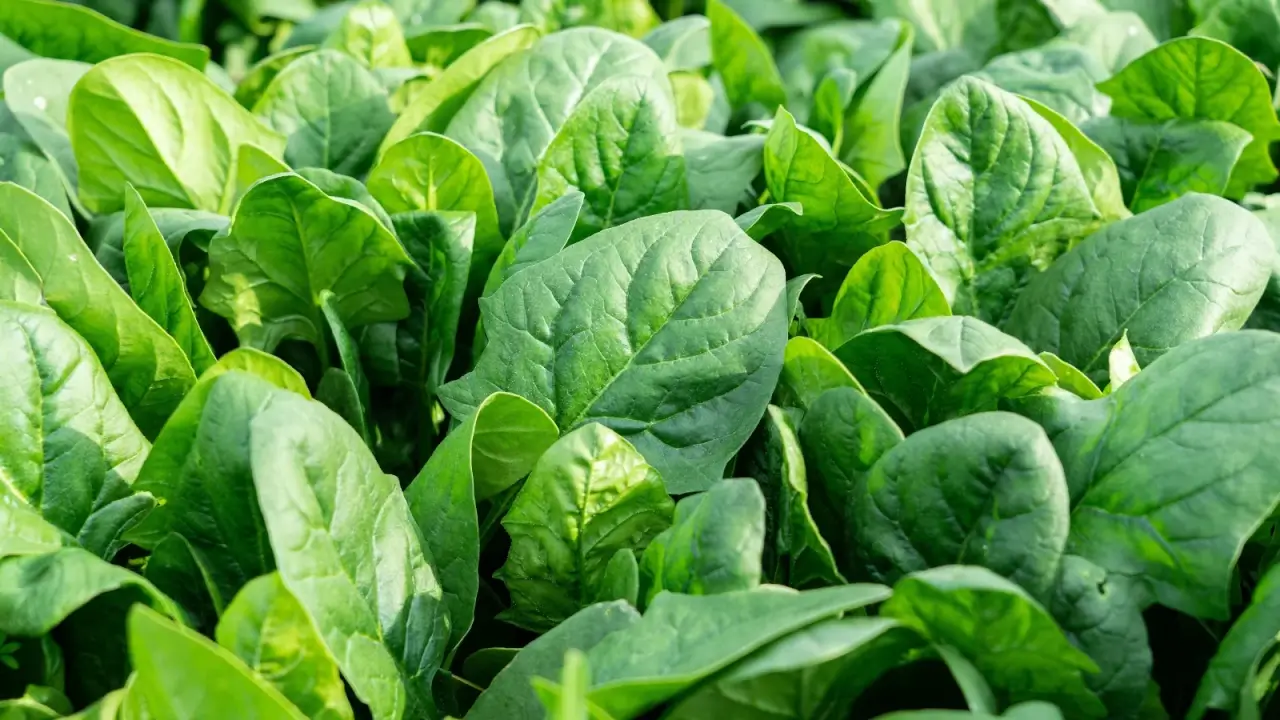
Seeding spinach is an excellent and quick way to have healthy fall crops. Sow October rows full of varieties that mature quickly. Harvest baby leaves in just a few weeks, or let them fully mature in a little over a month.
Dense sowings cover the soil and protect it from damage in colder seasons. Spinach cover crops build soil structure and prevent erosion. There are so many kinds to choose from as well, with standard and rare varieties in the mix.
Leafy Greens
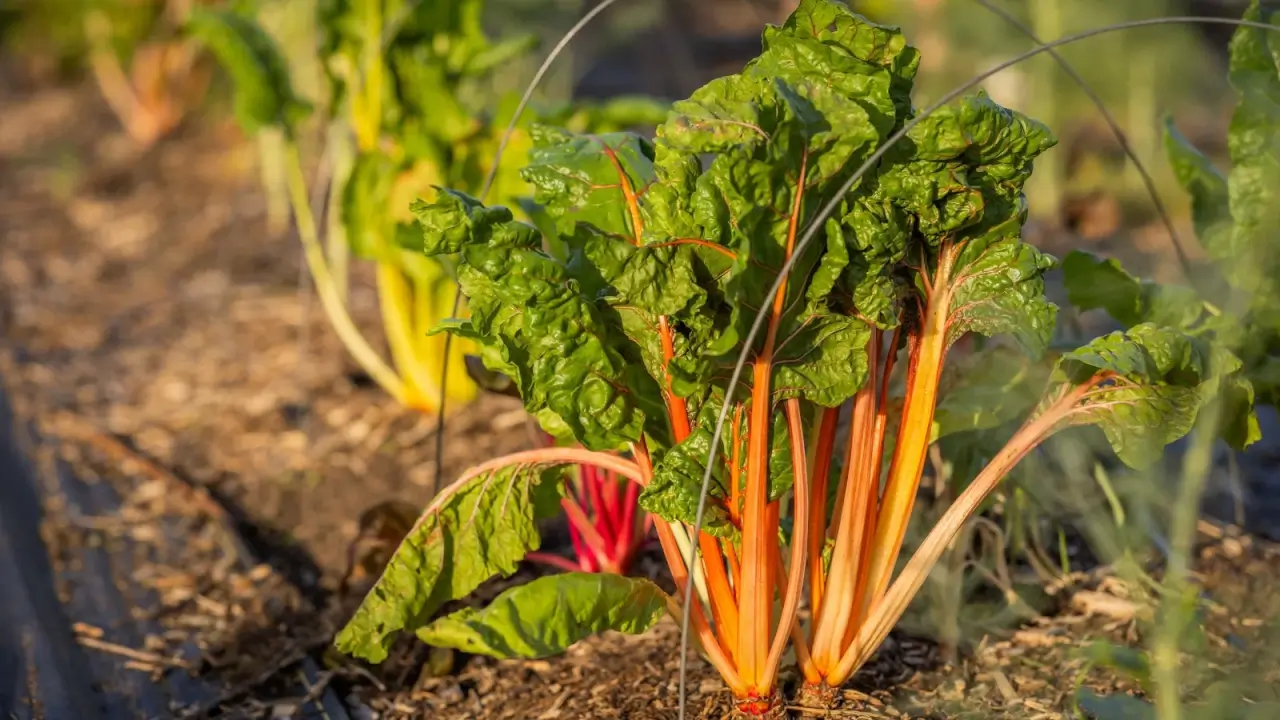
Similar to spinach, hearty greens like chard are a great choice. For fall crops, sow October seeds to yield bunches of them. Their rates of maturity are similar to spinach, and they can handle multiple touches of frost before succumbing to the cold completely.
Of course, a cold frame provides protection that keeps your greens growing through winter. In mild areas, some types can perennialize. Tree collards are particularly suited to the South, where, along with chard, they remain in the fields, producing for multiple seasons.
Native Seeds

Now is the time to sow many native seeds for prairie strips, and to preserve your region’s local ecological and cultural heritage. Direct sowing seeds in fall gives native perennials the cold, moist period they need for best germination.
While it will seem like your seeded area is fallow, that’s not the case. Instead, the seeds are dormant, and as the cold period passes, this dormancy breaks. Note that initially, native seeds sleep. Then they creep, and in their third year, they leap! So be patient, and reseed in subsequent autumns as the plants go through their sleep, creep, and leap process.
Cover Crops
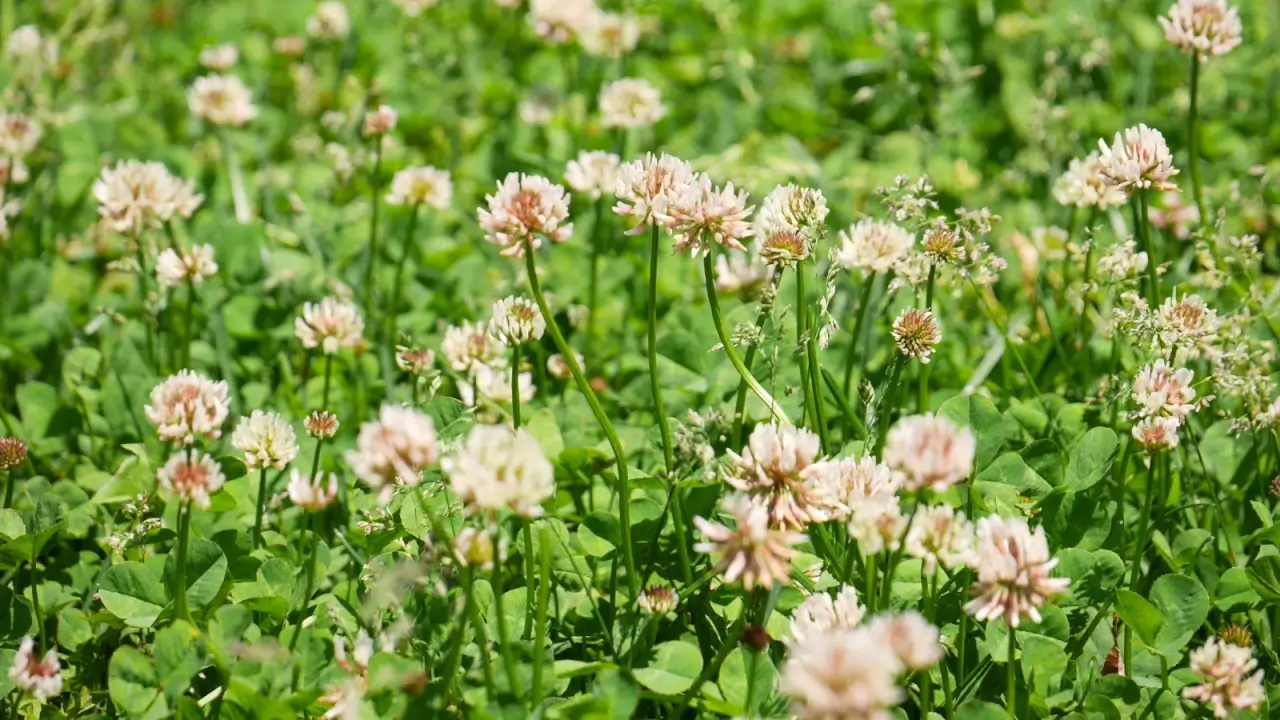
If you’ve done a post-harvest soil test, you probably have some plans for amending your fields ahead of spring. This is why cover crops make great fall crops. Sow October seeds like clover and legumes for nitrogen fixation. Daikon, dandelion, and alfalfa extract trace nutrients.
All cover crops offer protection to the soil through the cold season. This keeps your fields intact, preventing runoff and topsoil erosion. Some cover crops even provide excellent produce that you can take to market. As long as you ensure the crop can mature before it’s winter-killed, you’re good to go.
Cool-Season Forage Grasses
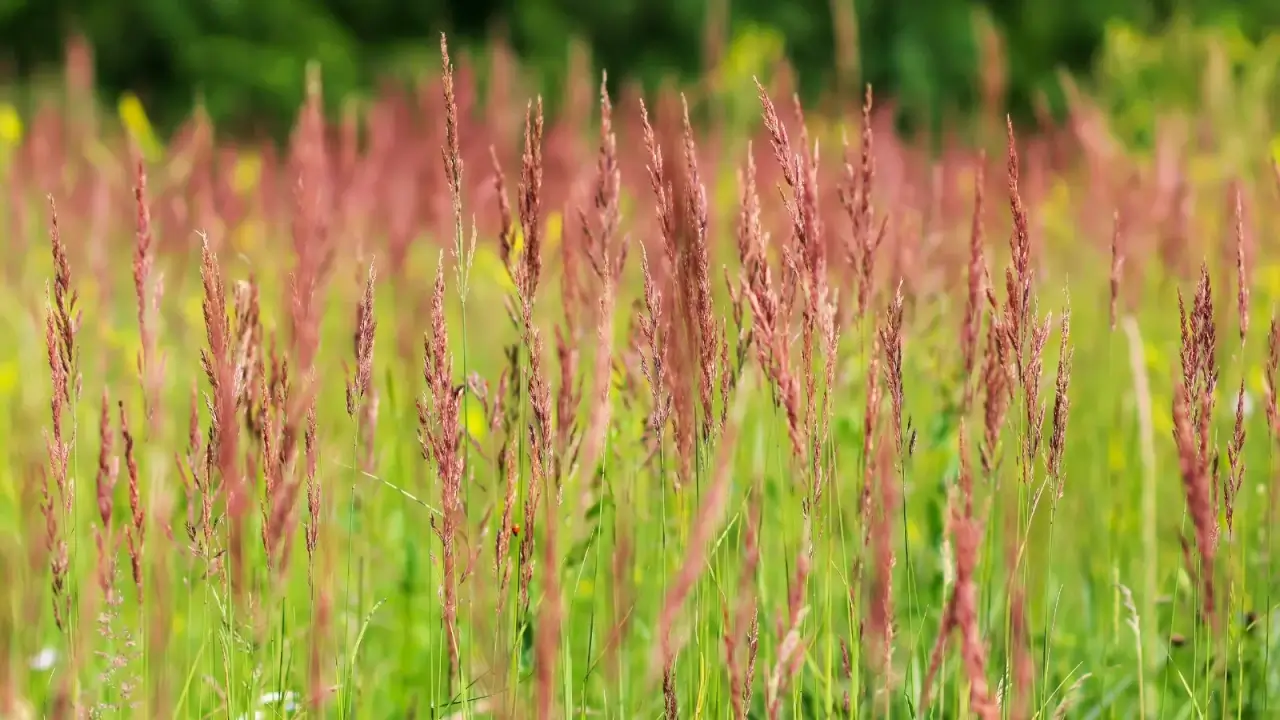
If you’re a rancher, planting grasses that can last through cooler seasons is imperative. Regenerative ranchers have the option to look for native species, like red fescue, fowl meadowgrass, Canada wild rye, or Virginia wild rye. These provide a food source for cattle that traverse the fields in fall and winter.
As the winter wears on, plan to sow warm-season grasses in late spring. This gives you a good rotation for replenishing the grass throughout the year, giving your livestock the best possible nutrients from plants adapted to your region.
Garlic
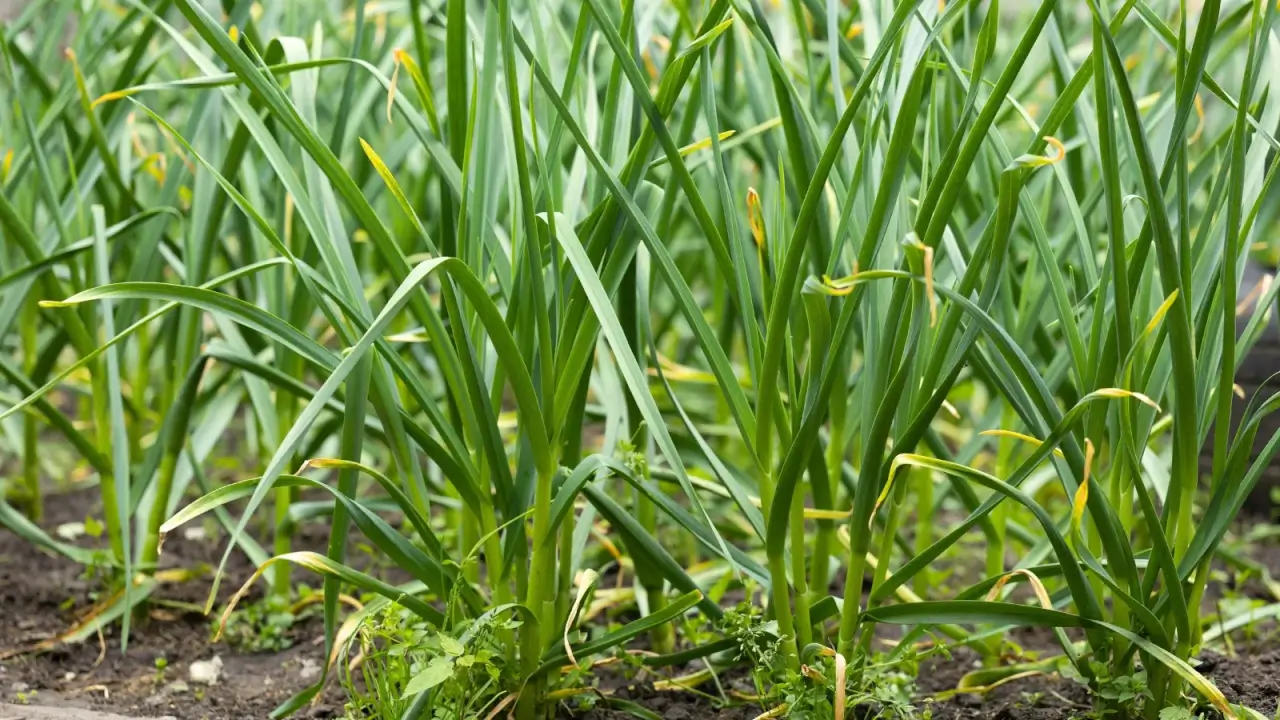
Bulbs of garlic planted deep in the earth are among those easy-to-grow fall crops. Sow October garlic fields and let them grow through winter, into spring. Harvest in summer, and you’ve got an excellent way to keep the field producing, and bring in some revenue at the same time.
Garlic is a great crop for interplanting if you need to grow more shallow-rooted crops alongside it. In early spring, sow lettuces and herbs between rows of garlic. Garlic can also ward off pests, making it a great option for farms that practice integrated pest management.
Peas
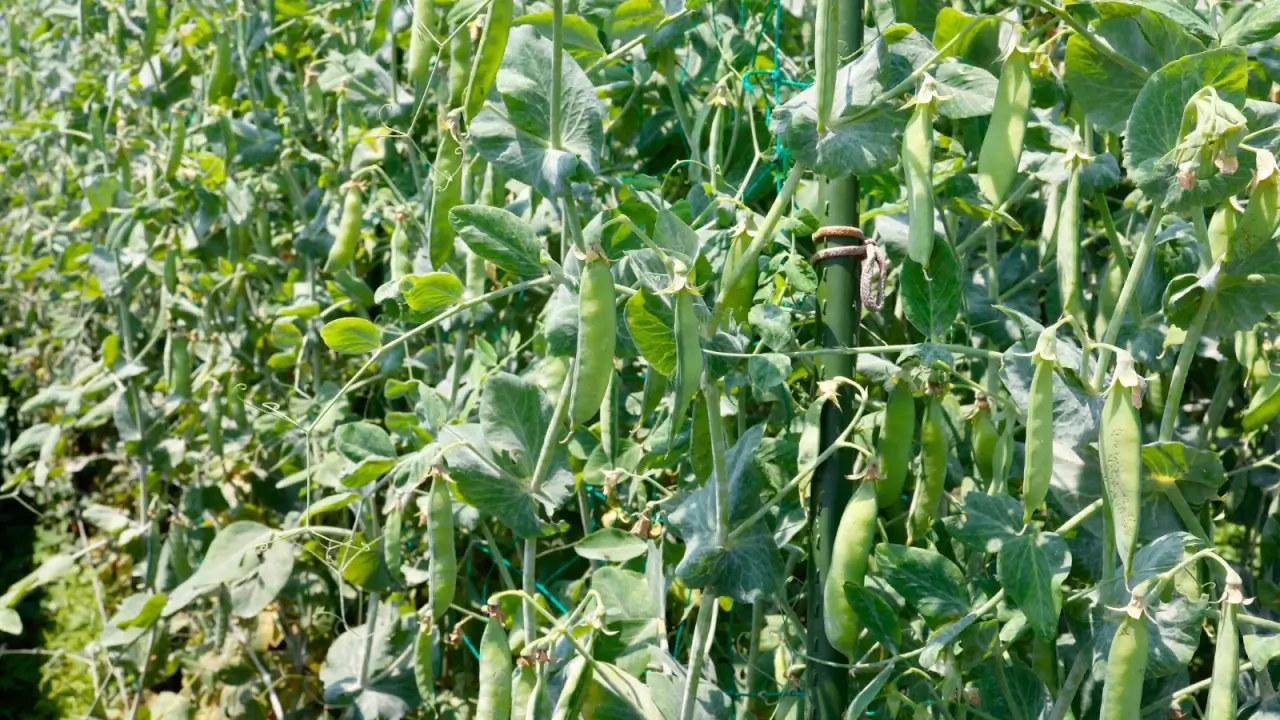
As long as there are two months before the first frost, peas are great for sowing now. Shelling peas are in high demand in fine dining establishments, and having some for your dinner doesn’t hurt. Snow peas and snap peas can handle a bit of cold, too. If you give them some protection, they’ll make it to harvest.
Field peas are an excellent nitrogen-fixing cover crop, with the ability to crawl and creep over a field with ease and quickly.
Winter-Hardy Barley
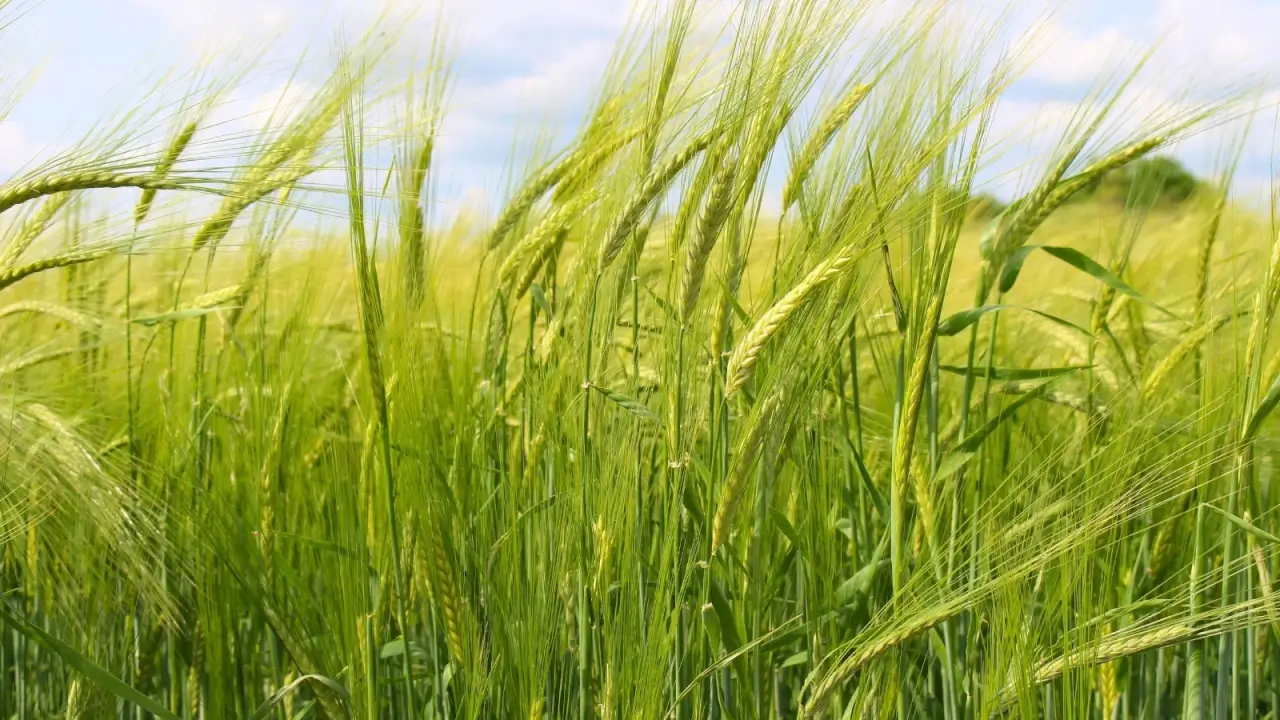
If you want to grow grains, winter barley is a good choice. Get seeds in the ground now to have the best yields. Planting barley as forage helps dairy cows with milk production. Meanwhile, other forage is scarce as the chill rolls in.
In areas with few frosts, it’s possible to get a good harvest of barley before spring if you sow seeds now. They’ll be good enough to grind the fruits into flour or throw them in a soup.
How to Grow a Cover Crop This Fall
Replenish your soil with plants that give back.

