3 Trap Crops You Should Plant in June
If you want to try a new pest control strategy this summer, you can plant trap crops in June. Briana Yablonski shares when trap crops are appropriate to use and lists a few you can plant this month.
3 Trap Crops You Should Plant in June
If you want to try a new pest control strategy this summer, you can plant trap crops in June. Briana Yablonski shares when trap crops are appropriate to use and lists a few you can plant this month.
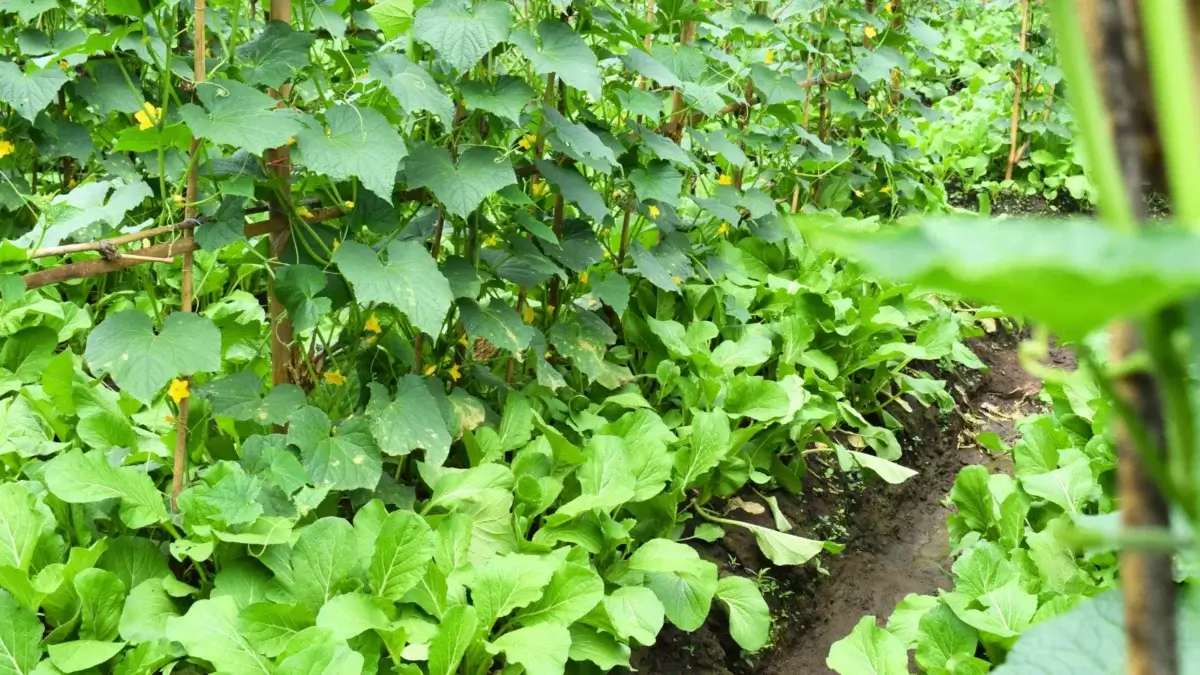
Summer brings new crops, and that means a different array of pests. Whether you’re growing a field full of tomatoes, an orchard of peaches, or a diverse market garden, pests are likely to affect some of your plants.
Rather than spraying your entire field with insecticides or covering your plants for protection, you can implement trap crops this June. Planting these crops can make scouting for and controlling pests easier while saving you time and money. However, they’re not right for every situation, so learn whether they make sense for you.
What Are Trap Crops?

Trap crops are plants added to a landscape to attract or retain pests. The goal is to use these plants as a sacrificial lamb that protects your cash crops from pests. Growers often plant them along the perimeter of their fields, hoping that the pests will find and feed on these plants before they discover the interior cash crop.
Let’s say you’re worried about flea beetles appearing and decimating your kale plants. Rather than watching for the pests on the kale, you can plant radishes on the perimeters of your field. The flea beetles will find and start feeding on the radish plants, and you can then eliminate the pests before they reach your kale.
Should You Plant Trap Crops in June?

Honestly, it depends. While trap crops can be one part of an effective pest control strategy, they aren’t a silver bullet. You can control summer pests like aphids, harlequin bugs, and cucumber beetles with other methods.
Research shows that the effectiveness of trap cropping largely depends on the ability to retain the pests on the trap crop. This pest control strategy often works best when you’re growing a large amount of a single crop and can plant the trap crops around the perimeter.
You should also be able to check on them regularly and properly eliminate the pests. If left unattended, trap crops can attract pests to your garden and help them reproduce. When pests are left to flourish, they’ll likely move to the crops you’re trying to protect.
The bottom line? If you’re on the fence about adding them to your farm or garden, it’s probably best to skip them.
Maintaining proper nutrient levels in your plants, ensuring an adequate water supply, attracting natural predators with the help of flowering plants, and physically excluding pests are some other ways you can grow pest-free crops.
June Trap Crops
The best trap crops for June will protect summer crops from common pests. If possible, plant during or before you plant the crop you’re trying to protect.
Blue Hubbard Squash
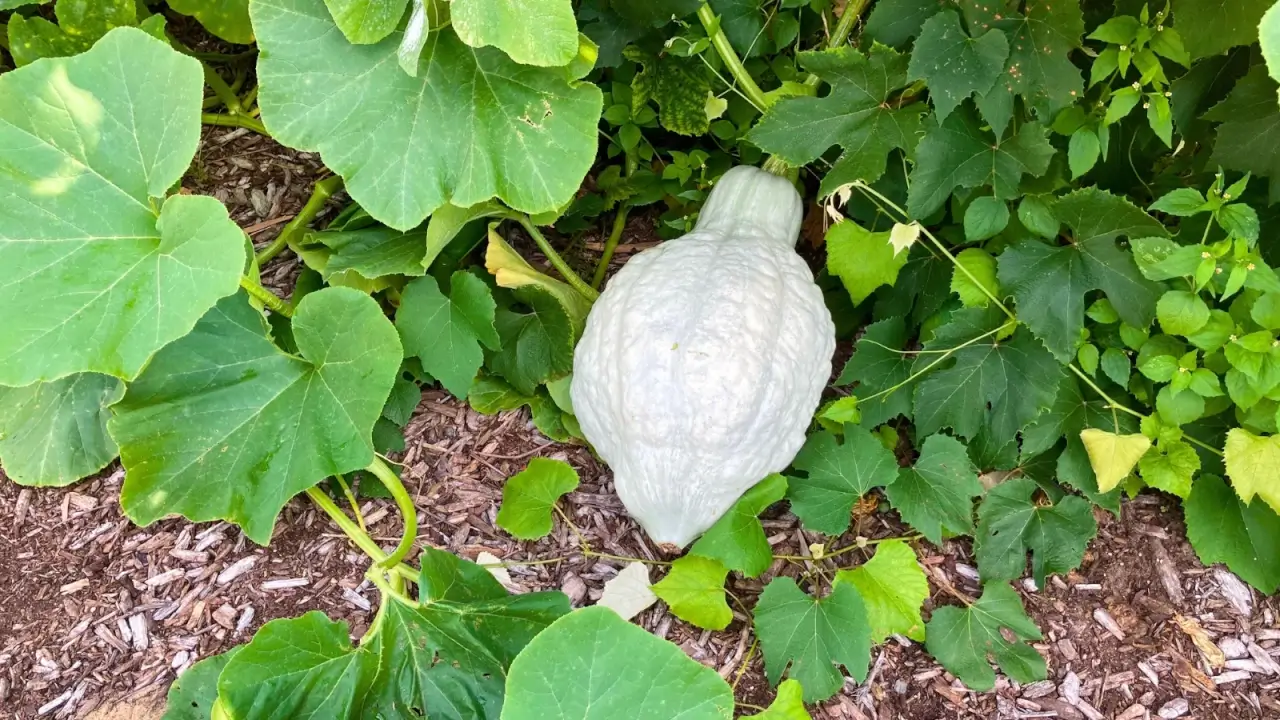
The blue hubbard squash, a cultivar of the Cucurbita maxima species, is particularly attractive to striped and spotted cucumber beetles. Therefore, it’s an excellent trap crop for these pesky yellow and black beetles.
One study examined the impact of planting a perimeter of blue hubbard plants around a patch of less susceptible butternut squash. The cucumber beetles flocked to the trap crop, making it easy for growers to find and spray the pests. This method allowed for a 94% decrease in insecticide use on the butternuts with no notable damage.
You can use blue hubbard plants as a June trap crop for cucumbers, melons, and other cucurbits. Just make sure to monitor the blue hubbard squash and kill the beetles regularly.
Mustard Greens
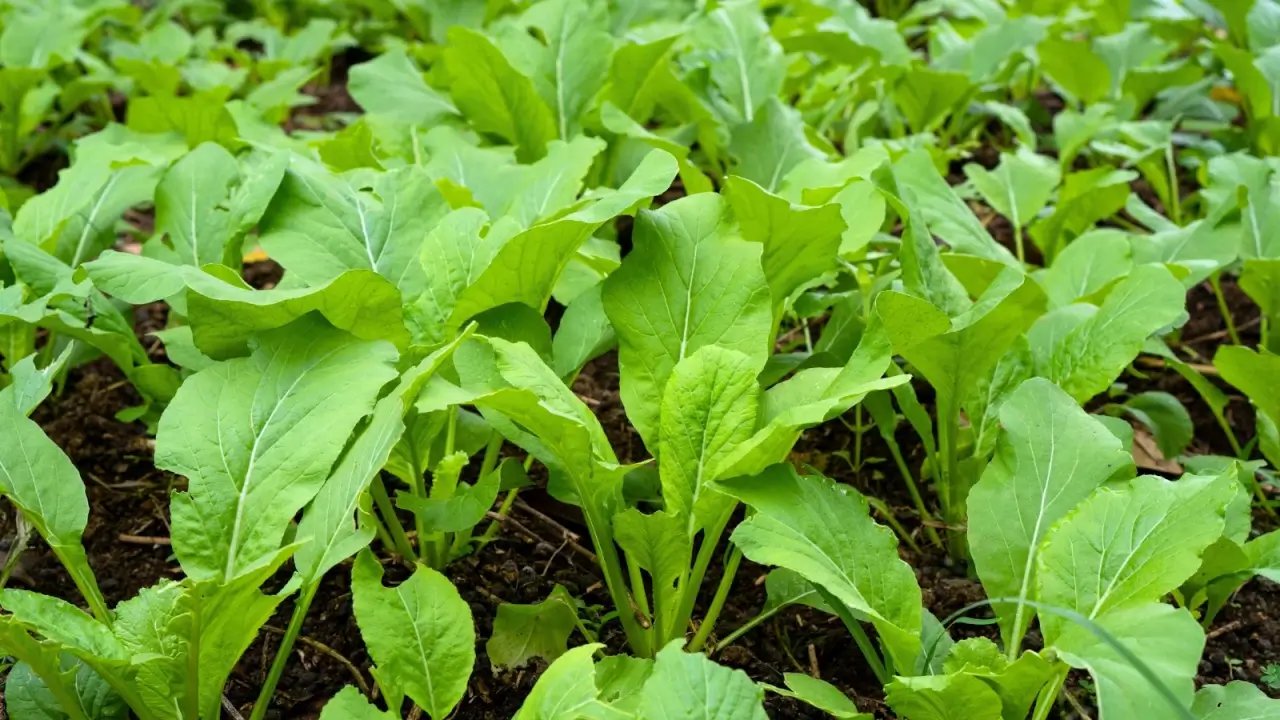
Many pests that attack slow-to-mature brassicas like cabbage and cauliflower also attack other members of the brassica genus. If you’re in a cooler area where brassicas grow into the summer, planting a mustard green trap crop in June can help protect your harvestable crops from pests, including flea beetles, harlequin bugs, and cabbage worms.
It’s best to plant the mustard greens before your cultivated crop is in the ground, but it’s okay to plant the mustards anytime before pests arrive. After you get the trap crop in the ground, make sure to frequently scout for pests and then remove them. Spraying with organic insecticides like Bt and spinosad is often a suitable and easy way to kill the pests before they make their way to the brassicas you want to protect.
Hot Cherry Peppers

The pepper maggot is a dreaded fly that lays its eggs inside the fruits of the Solanaceae family, especially peppers. Not only does this egg hatch into a larva inside the fruit, but the act of drilling a hole into the fruit leaves it susceptible to rot. Since you won’t know the adults are present until you spot the damage, the pepper maggot can be difficult to treat.
Research shows that using cherry peppers as a trap crop for pepper maggots can be an effective way to protect other peppers. Planting a perimeter of cherry peppers and spraying the plants with an effective insecticide resulted in 98% maggot-free peppers in the interior planting. Plus, it decreased the overall application of insecticides.

