The February Greenhouse: What to Grow Now
When winter is halfway over, growing out of the elements is the only option for many farmers. Here, we share how to use a greenhouse to grow what the climate doesn’t allow and keep the revenue flowing.
The February Greenhouse: What to Grow Now
When winter is halfway over, growing out of the elements is the only option for many farmers. Here, we share how to use a greenhouse to grow what the climate doesn’t allow and keep the revenue flowing.

In February, many farms are in their annual pause. Winter’s snow is still covering the ground, while freezing and sub-freezing temperatures reign. In regions where this occurs, plants are dormant, and production isn’t happening.
However, you can still grow in a greenhouse. February is the perfect time to get started on late spring transplants, and it’s also a good time to grow quick-maturing crops for the early spring market. Plants that take a long time to sprout from seed will do even better with the head start your greenhouse provides.
All of this depends on where you are and what kind of greenhouse you’re growing in. If you have a solid greenhouse with all the bells and whistles, the sky can be the limit. But you can do so much with less than that. Plan for next year’s greenhouse, or pop a few extra starts in this year to keep things going.
Greenhouse Elements

Not all greenhouses are created equally, but every greenhouse provides an enclosure that traps thermal heat and circulates it within, keeping plants warm and healthy. Some greenhouses include vents, which allow the release of thermal energy and provide air circulation that breaks up stagnant air.
Every greenhouse has a structure that holds up the siding, whether that siding be pliable plastic or thick glass. This frame keeps the form of the house, limiting contact with the plants within. Some are hooked up to an electrical system that allows for more accurate climate controls. Similarly, there are those with irrigation systems and fans.
The basic elements of a good greenhouse, regardless of how professionally-crafted it is, are its ability to trap heat, circulate air, and vent the air if needed.
Types of Greenhouses
While having a greenhouse with electricity and irrigation is probably a dream of almost any farmer in a colder region, it’s not completely necessary. The environment can do the work for you! When you’re deciding what to grow, make a note of the type of greenhouse you have. This best informs the ideal plants to grow within.
Modular Plastic Greenhouse

Any hardware store will have a plastic greenhouse with a metal frame available to purchase. These are easy to set up and can last multiple seasons if you buy the right kind. While many models include a pliable plastic mesh covering, it’s best to go with a polycarbonate house to avoid having to deal with tiny bits of plastic that deteriorate from the mesh coverings.
If they are properly sealed, a good modular greenhouse can raise temperatures up to 30 degrees higher. You’ll need a vent on these due to this fact. If you live somewhere with high winds, ensure your house is staked and weighted down to accommodate storms. These often need extra fortification.
Low Tunnel
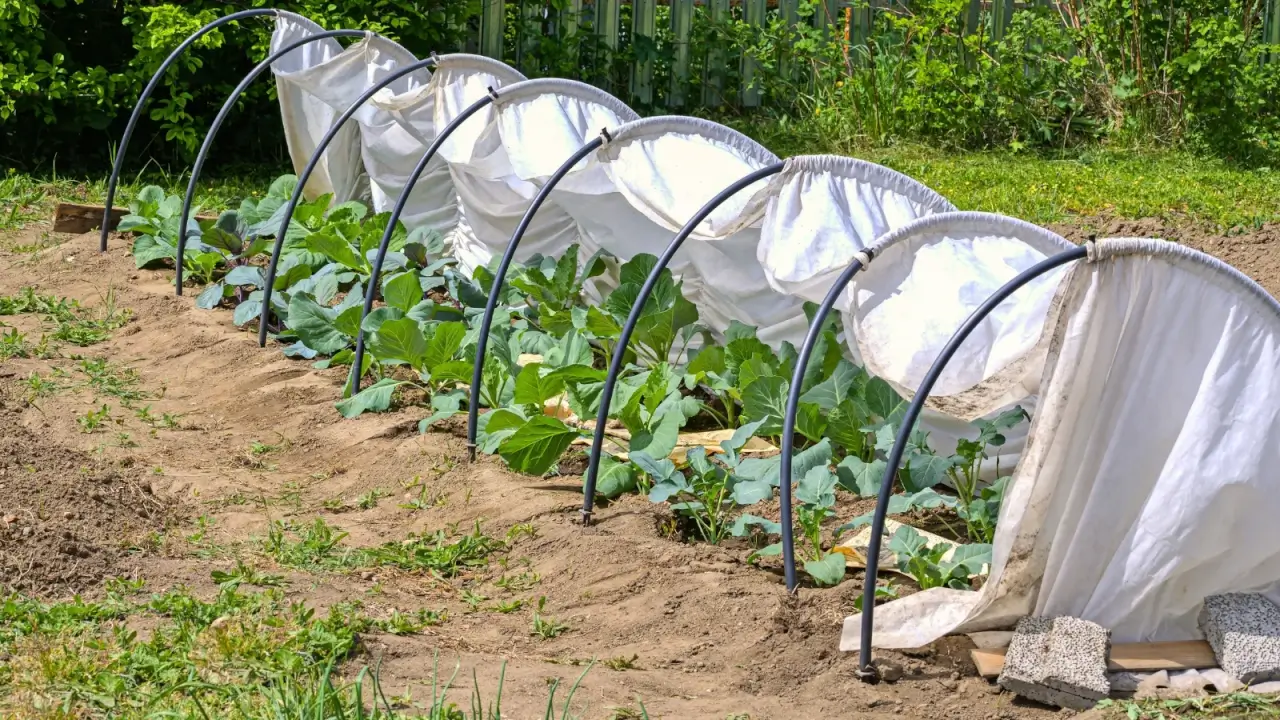
Rather than construct an entire house on your land, simply cover a few rows with UV-resistant greenhouse plastic draped over PVC hoops. This is the easiest greenhouse to set up on your land. All you need is workable soil, rebar, PVC, greenhouse plastic, anchoring items, and clamps.
Low tunnels can raise the temperature within them 2 to 15 degrees higher, especially if you use a non-porous plastic that is resistant to UV rays. In areas where winter is still warm, use a frost cloth to protect plants from scorching. Remove coverings or vent your tunnels when the temperature rises 50°F (10°C) or higher.
Cold Frame

Usually made of repurposed windows, cold frames are a sturdier version of tunnels that can handle loads of snow and ice (whereas low tunnels often aren’t suited to this). Cold frames can stand alone as cabinets that trap thermal energy, or they can be placed over raised beds.
Usually, there is a door that you can raise or lower as needed, depending on external conditions. They raise internal temperatures to 5 to 15 degrees above the outdoor ambient temperature. They’re most useful in areas where snow loads are higher.
Designer Greenhouse

Larger greenhouses with concrete foundations, glass walls, and fans and vents are the gold standard, even when they’re small. Farmers order these through distributors who offer setup services for additional costs. Some are larger hoop-shaped greenhouses, while others are more like a vintage greenhouse you might see on an old estate.
A well-set-up, fully fortified greenhouse of this kind allows farmers to grow all year long in whatever conditions the house allows. In high heat, a ventilated and climate-controlled house can sustain cooler-weather plants just as much as it can provide warmth for warm-weather plants in cold weather.
What To Grow In Your Greenhouse
Because February is a great time to get a head start, it’s time to get your spring crops going and maybe grow a few things just in the greenhouse. Here’s what to grow.
Tomatoes and Peppers

Both tomato and pepper seeds take a long time to emerge, and require a bit of coddling to make their way through to the transplant stage. Because of this, greenhouses that can keep conditions at least 50°F (10°C) consistently are great for starting peppers and tomatoes.
If you can place a heating mat in your greenhouse that your tomato and pepper tray can sit on, you may even be able to get away with a 40°F (4°C) internal temperature. Aside from the warmth, the most important thing for both crops is consistent moisture and light once they emerge.
Brassicas

Some of the first plants to emerge from seeds are brassicas. In areas where frost barely exists, greenhouses offer shelter from pests that pervade the entire year. In places where snow is heavy, they shelter them from extreme cold.
This category of plants covers the gamut of delicious, healthy, and cold-hardy greens. If you want yields before spring, pop some kale seeds in your seed starting station. In places where spring is short, grow miniature, conical Caraflex cabbages that have a smaller maturation period than their larger counterparts.
For specialty market items, grow standard cauliflower, rapini, and romanesco. Cauliflower and romanesco take between two and five months to mature. Rapini, broccoli raab, and kai lan take just over a month. These are great to include in your survival garden, or in your nutrient-rich market garden.
Lettuces
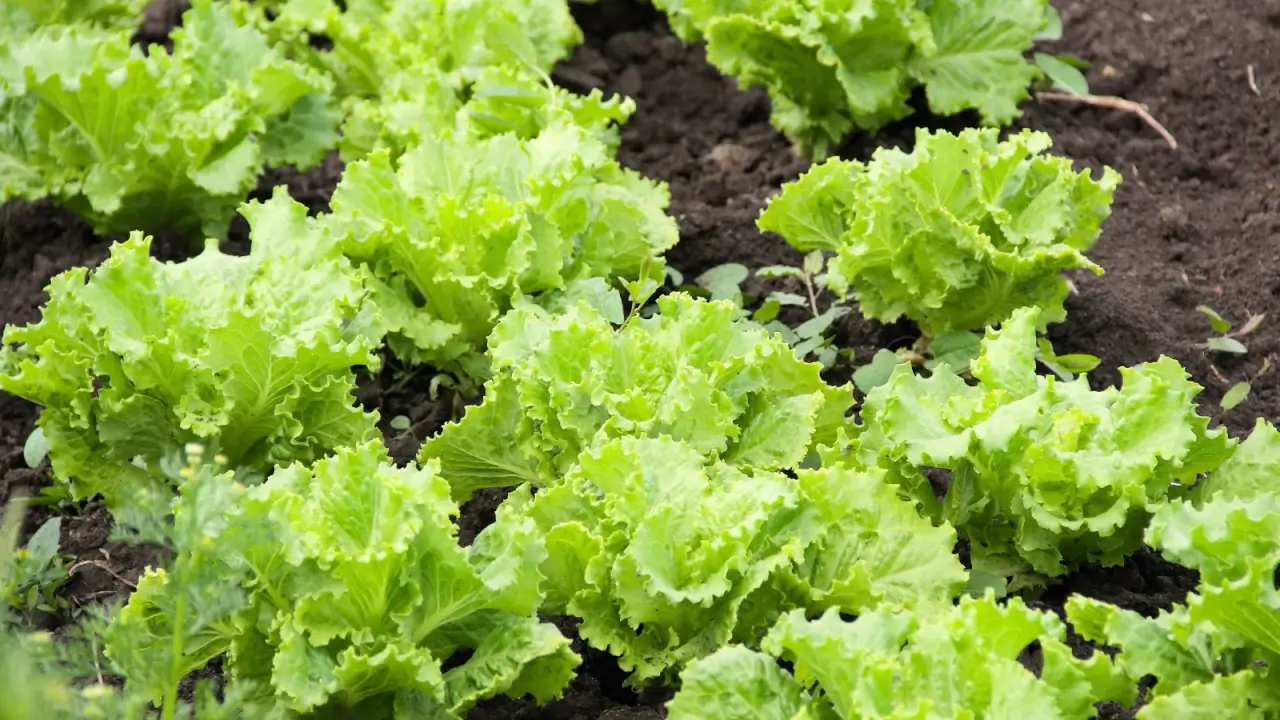
Growing baby greens, bib lettuces, butterheads, cos lettuce, and icebergs in greenhouses is great, no matter where you are. These take little time to mature and offer tons of value to your early spring market stand. They’re great to eat, too, if you grow your own food. Like kale, they’ll make you feel good about growing stuff because they’re so easy.
In frost-free areas, lettuces are prone to pests and diseases, so greenhouses are a good option for keeping them away.
Potatoes

Grow some potatoes in your greenhouse this February, and glean either full-sized potatoes starting in May, or baby potatoes in April. Potato beetles can be a huge problem for some, and the walls of the greenhouse keep them at bay. In areas that are too cold this month, potatoes can get their head start away from the ice and snow.
Onions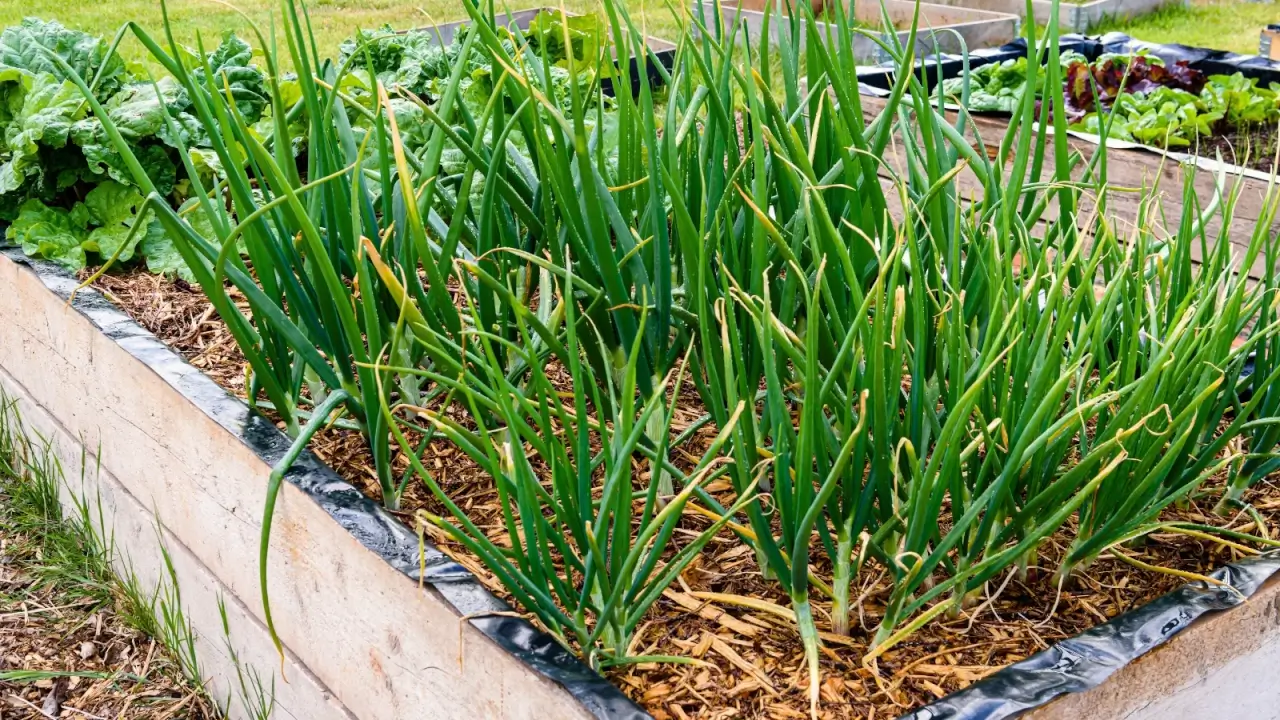
Any kind of onion can get going in a greenhouse in February. Start your seed onions, chives, garlic chives, or bunching types in the greenhouse now, and transplant them into a larger container or out into the garden when conditions are suitable. You can plant onion sets this way, too.
Flowers

Flower farmers are wise to employ greenhouses ahead of spring to get their crops going en masse. Those that take long to sprout – like lisianthus, coneflower, and dahlias, for instance – are prime candidates for greenhouse growing.
For most flowers, a little heat and plenty of light are essential to germinate their seeds. Ensure your greenhouse is well set up and sealed to prevent any drafts. Set lights on automatic timers to save energy. Plant in 72-cell trays to ensure your crops are plentiful.

