How to Start a Permaculture Farm
Permaculture principles can be applied to gardens, large landscapes, and communities. Join Briana Yablonski to learn how to start a permaculture farm using environmentally-friendly practices.
How to Start a Permaculture Farm
Permaculture principles can be applied to gardens, large landscapes, and communities. Join Briana Yablonski to learn how to start a permaculture farm using environmentally-friendly practices.

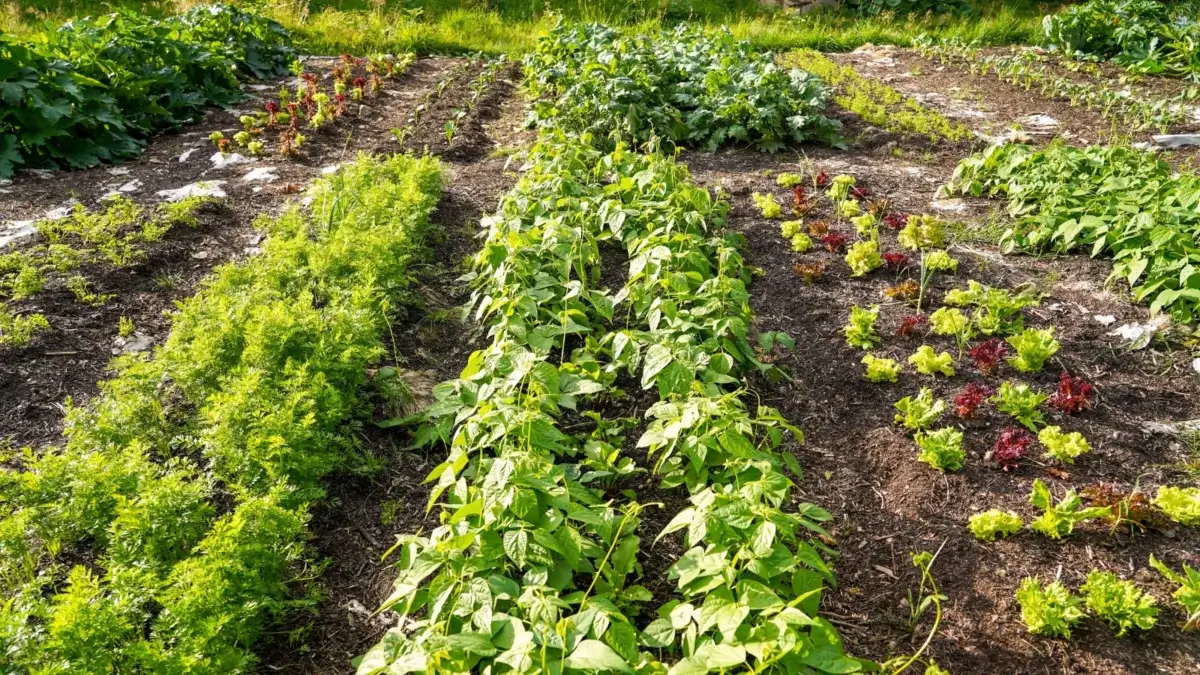
Permaculture is an agricultural system that looks to the natural environment for inspiration and guidance. There are many different ways to implement permaculture principles, from mixing flowering annuals and leafy greens in a backyard garden to working with neighbors to collect organic materials for composting.
If you want to implement these practices on a larger scale, consider starting a permaculture farm. I’ll introduce some key permaculture design principles and outline a few ways you can apply them when creating a farm.
Know Permaculture Design Principles
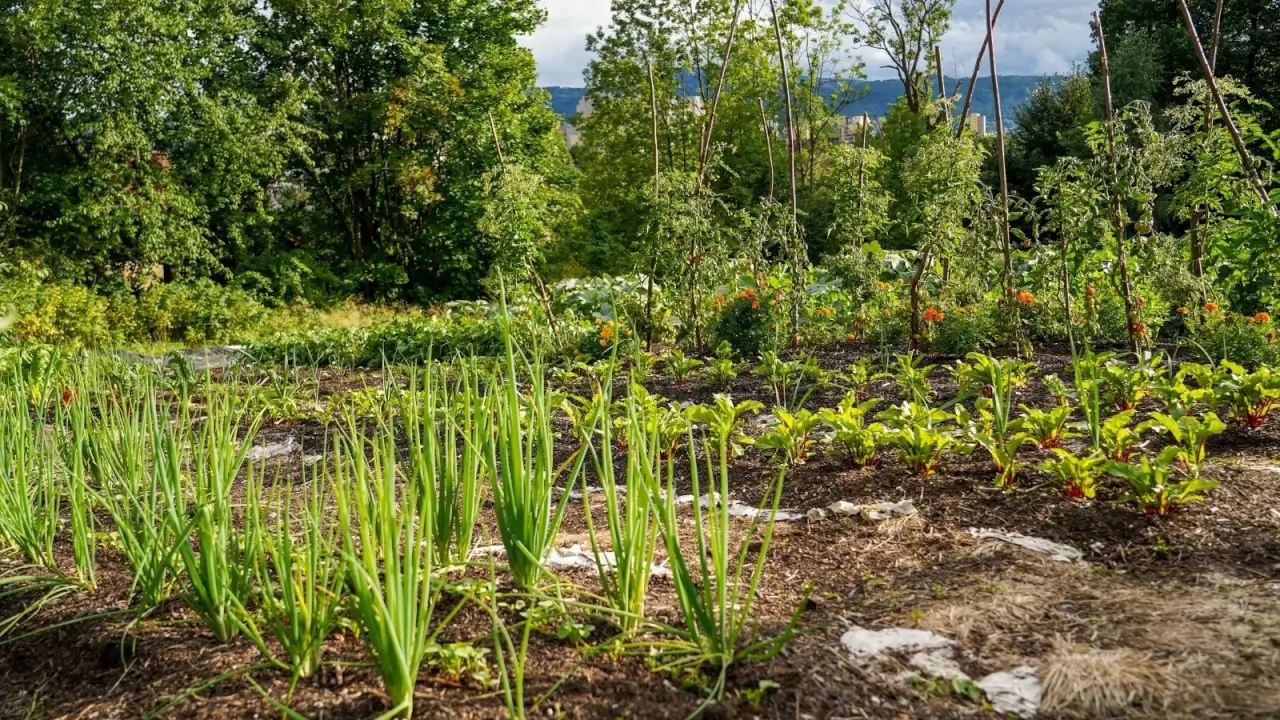
Permaculture, as we know it today, was created in 1978 by Bill Mollison and David Holmgren. They developed this system as a response to industrialized agriculture and communities, and sought to establish areas that cared for the land and people while avoiding overconsumption and sharing any surpluses with others.
Holmgren later wrote “Permaculture: Principles and Pathways Beyond Sustainability,” where he laid out 12 permaculture design principles that should guide all projects, including starting a permaculture farm. Here are these principles, as well as a few ways you can apply them on your farm.
Think About Zones
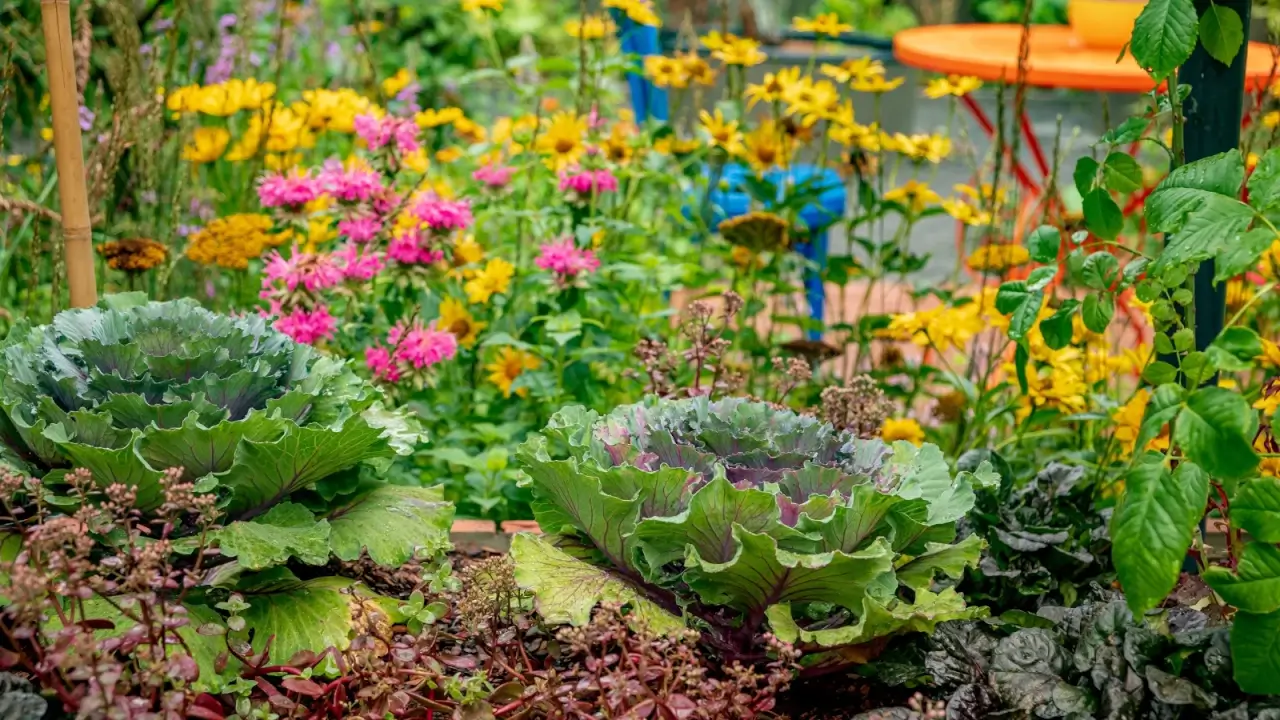
Another key component of permaculture design is understanding the different zones. If you start a permaculture farm with varied crops, considering the various zones will help you establish the best places to place each type of plant.
There are five different zones, with one being closest to your home, workspace, or other highly-trafficked area. Zone five is the farthest away from this central point.
Placing daily-harvested crops like annual herbs in zone one makes the most sense since you can walk directly out the door and pick what you need. This zone is also the best option for spaces you visit daily, like the seedling propagation area and compost bin.
Zone two is ideal for perennials you use in the home, like blueberries, fruit trees, and a small asparagus patch. As you enter zone three, you begin looking at commercial production zones. This is where your annual vegetables and fruits are located, as well as orchards and pasture for animals.
Zone four moves into semi-managed woodlands and grasslands. You may have a few nut trees that you visit a few times a year, but you won’t travel to this area multiple times a week. Zone five is an unmanaged area that is left wild.
Consider Your Dream Farm
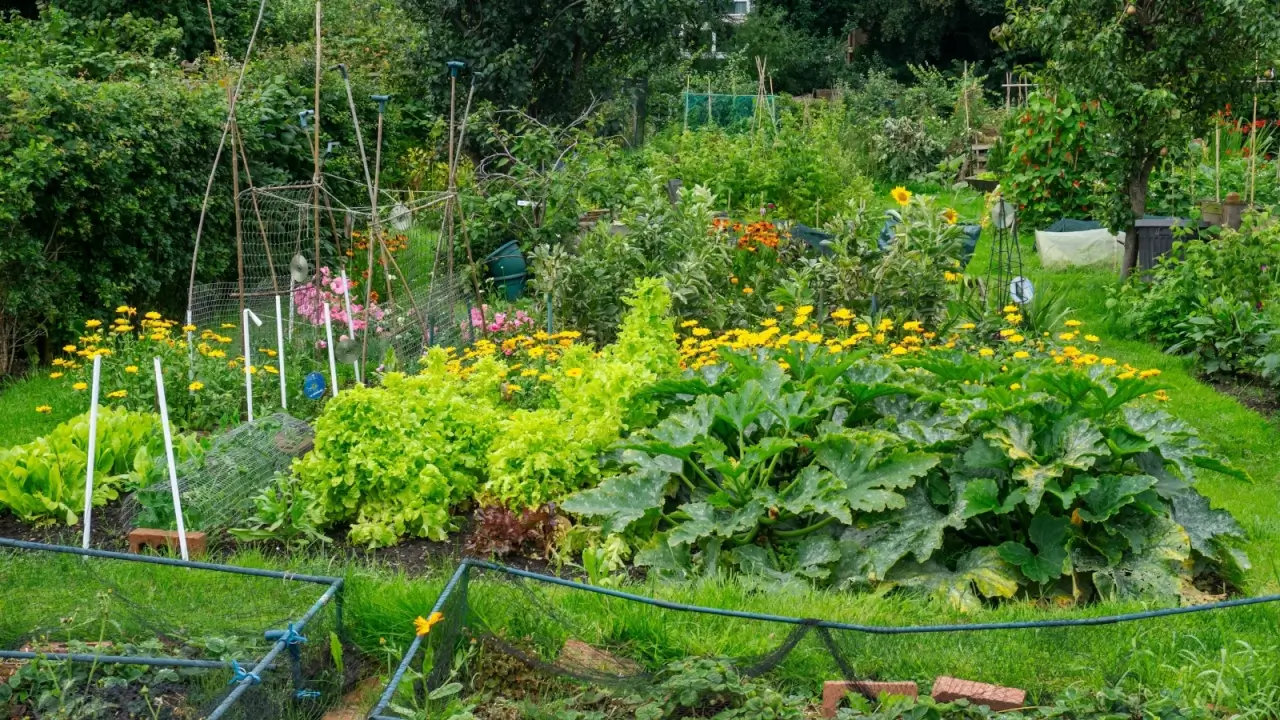
Once you have the design principles and zones in mind, you can think about your dream farm. What and how much do you want to produce? Do you have a well or pond for water you can rely on to irrigate crops, and do you plan to dry farm portions of your property? What native species exist that you want to protect?
Before you jump into any decisions, consider the permaculture design principles and think about how they affect your decision making. Have you observed your space long enough and chosen renewable materials? Should you plant your crops along the landscape’s contour rather than in straight lines to eliminate runoff?
Don’t let fear of failure prevent you from starting a permaculture farm. You’ll surely make mistakes along the way, but how you respond to these mistakes is more important than avoiding them entirely.
Reduce Soil Erosion and Water Waste with Contour Planting
If you’re growing on sloped land, it pays to think about your farm layout before you start preparing the land and getting crops in the ground. Planting down the slope may sound like an easy option, but it lets rainwater rush straight downhill, leading to runoff and erosion.
Follow us

This work is licensed under a Creative Commons Attribution-NoDerivatives 4.0 International License.
Want to republish a Modern Farmer story?
We are happy for Modern Farmer stories to be shared, and encourage you to republish our articles for your audience. When doing so, we ask that you follow these guidelines:
Please credit us and our writers
For the author byline, please use “Author Name, Modern Farmer.” At the top of our stories, if on the web, please include this text and link: “This story was originally published by Modern Farmer.”
Please make sure to include a link back to either our home page or the article URL.
At the bottom of the story, please include the following text:
“Modern Farmer is a nonprofit initiative dedicated to raising awareness and catalyzing action at the intersection of food, agriculture, and society. Read more at <link>Modern Farmer</link>.”
Use our widget
We’d like to be able to track our stories, so we ask that if you republish our content, you do so using our widget (located on the left hand side of the article). The HTML code has a built-in tracker that tells us the data and domain where the story was published, as well as view counts.
Check the image requirements
It’s your responsibility to confirm you're licensed to republish images in our articles. Some images, such as those from commercial providers, don't allow their images to be republished without permission or payment. Copyright terms are generally listed in the image caption and attribution. You are welcome to omit our images or substitute with your own. Charts and interactive graphics follow the same rules.
Don’t change too much. Or, ask us first.
Articles must be republished in their entirety. It’s okay to change references to time (“today” to “yesterday”) or location (“Iowa City, IA” to “here”). But please keep everything else the same.
If you feel strongly that a more material edit needs to be made, get in touch with us at [email protected]. We’re happy to discuss it with the original author, but we must have prior approval for changes before publication.
Special cases
Extracts. You may run the first few lines or paragraphs of the article and then say: “Read the full article at Modern Farmer” with a link back to the original article.
Quotes. You may quote authors provided you include a link back to the article URL.
Translations. These require writer approval. To inquire about translation of a Modern Farmer article, contact us at [email protected]
Signed consent / copyright release forms. These are not required, provided you are following these guidelines.
Print. Articles can be republished in print under these same rules, with the exception that you do not need to include the links.
Tag us
When sharing the story on social media, please tag us using the following: - Twitter (@ModFarm) - Facebook (@ModernFarmerMedia) - Instagram (@modfarm)
Use our content respectfully
Modern Farmer is a nonprofit and as such we share our content for free and in good faith in order to reach new audiences. Respectfully,
No selling ads against our stories. It’s okay to put our stories on pages with ads.
Don’t republish our material wholesale, or automatically; you need to select stories to be republished individually.
You have no rights to sell, license, syndicate, or otherwise represent yourself as the authorized owner of our material to any third parties. This means that you cannot actively publish or submit our work for syndication to third party platforms or apps like Apple News or Google News. We understand that publishers cannot fully control when certain third parties automatically summarize or crawl content from publishers’ own sites.
Keep in touch
We want to hear from you if you love Modern Farmer content, have a collaboration idea, or anything else to share. As a nonprofit outlet, we work in service of our community and are always open to comments, feedback, and ideas. Contact us at [email protected].by Briana Yablonski, Modern Farmer
July 28, 2025
Modern Farmer Weekly
Solutions Hub
Innovations, ideas and inspiration. Actionable solutions for a resilient food system.
ExploreExplore other topics
Share With Us
We want to hear from Modern Farmer readers who have thoughtful commentary, actionable solutions, or helpful ideas to share.
SubmitNecessary cookies are absolutely essential for the website to function properly. This category only includes cookies that ensures basic functionalities and security features of the website. These cookies do not store any personal information.
Any cookies that may not be particularly necessary for the website to function and are used specifically to collect user personal data via analytics, ads, other embedded contents are termed as non-necessary cookies.