9 Disease-Resistant Vegetable Varieties You Should Be Growing
Summer means long days, busy gardens, and bumper crops, but it can also bring unwelcome diseases. Planting disease-resistant vegetables is one way to help keep your plants healthy.
9 Disease-Resistant Vegetable Varieties You Should Be Growing
Summer means long days, busy gardens, and bumper crops, but it can also bring unwelcome diseases. Planting disease-resistant vegetables is one way to help keep your plants healthy.
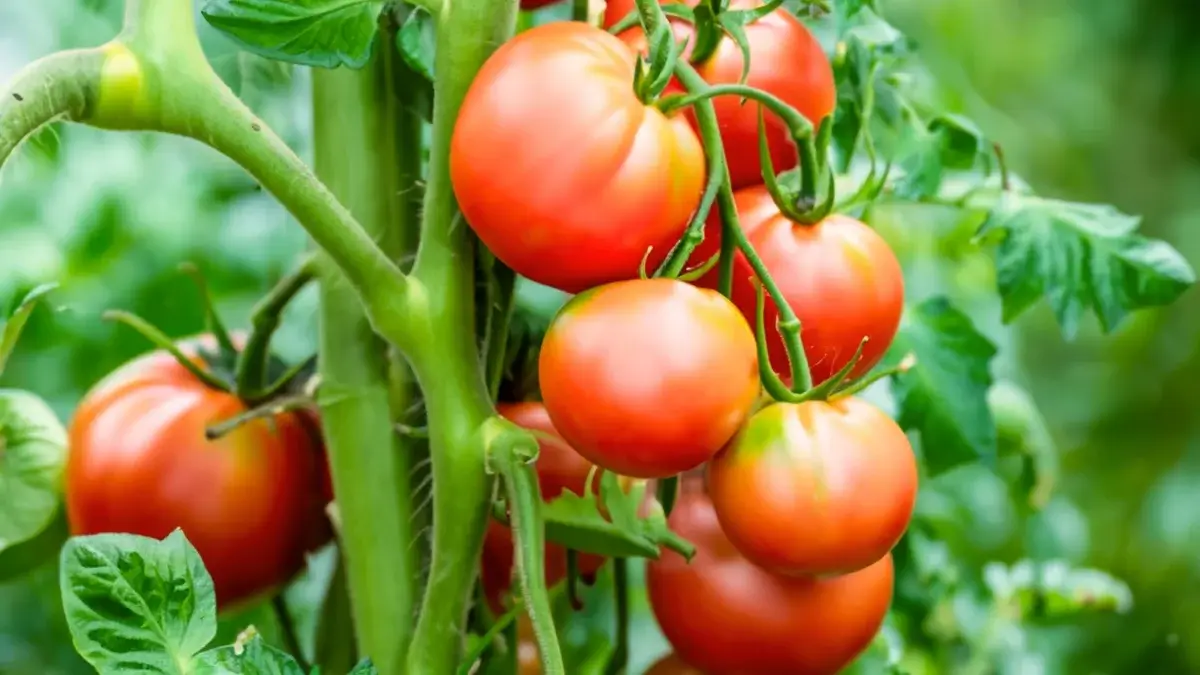
The long, warm days of summer cause veggies like tomatoes, cucumbers, and squash to jump into overdrive. They seem to grow a few inches each day and begin cranking out fruits that demand near-daily harvests.
Unfortunately, summer also brings unwelcome diseases. Pruning, trellising, fertilizing, and properly watering your plants decreases the likelihood they’ll become infected, but choosing disease-resistant vegetables is another way to keep them healthy.
These resistant varieties have stronger defenses against common pathogens, so they’re less likely to become severely infected. Not all tomatoes or cucumbers are resistant to the same diseases, so pay attention to plant labels if you’re looking to protect against specific pathogens.
‘Indigo Rose’ Tomato
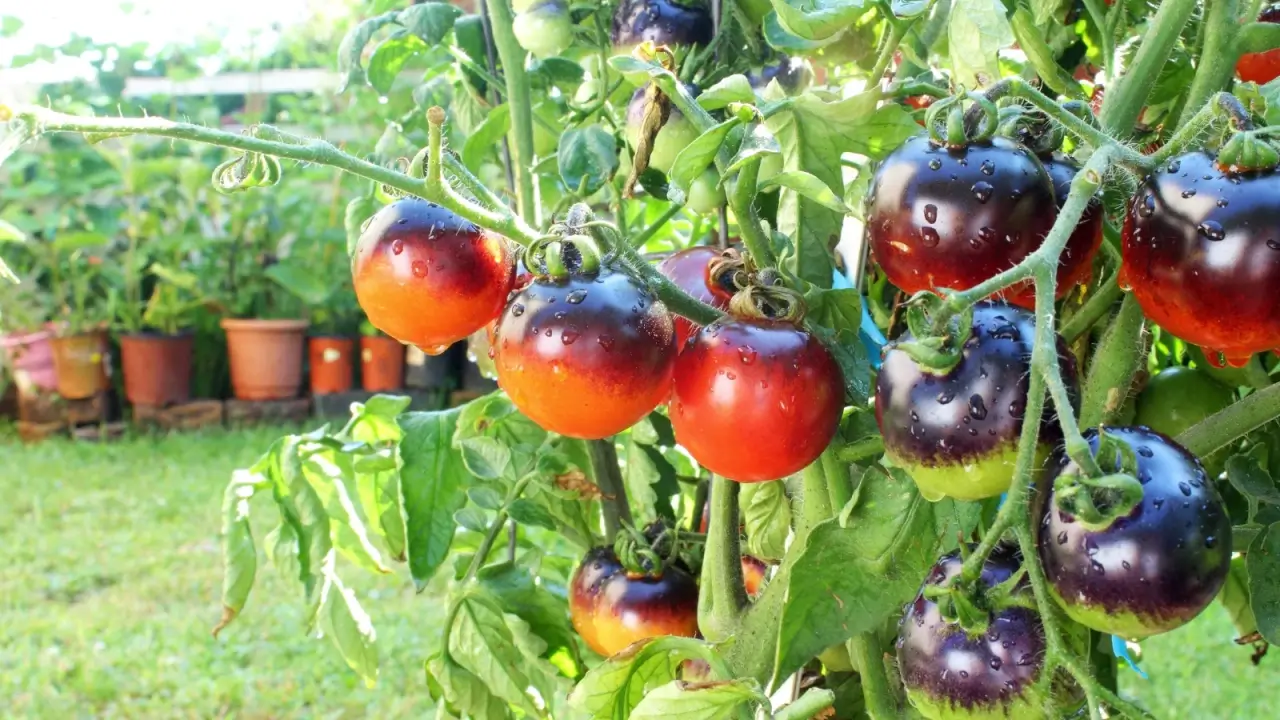
The ‘Indigo Rose’ tomato produces golf-ball-sized fruits brushed with a deep purple color that results from the plant’s high anthocyanin content. Cutting into the fruits reveals a classic red flesh with a sweet and acidic flavor.
These indeterminate tomatoes are resistant to powdery mildew and late blight, so they’re an excellent option for your second succession of tomatoes. Trellising the plants will keep them off the ground and help with disease prevention.
‘Emerald Delight’ Zucchini
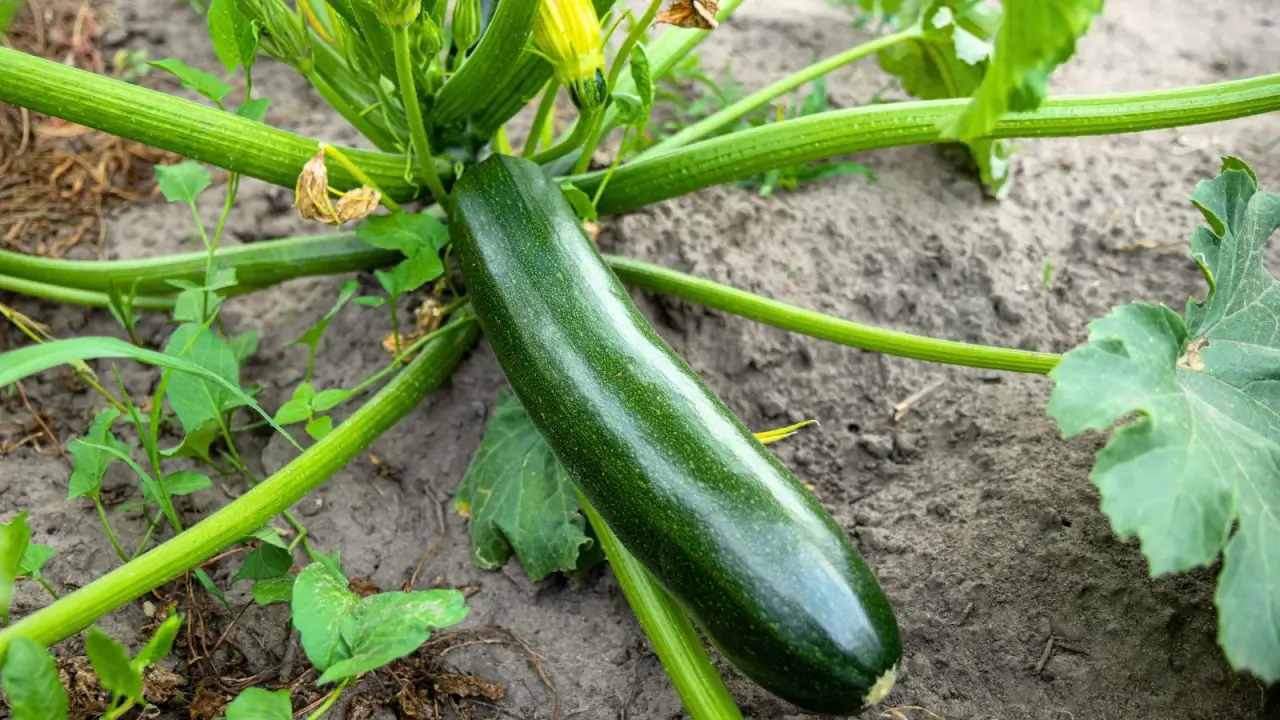
‘Emerald Delight’ has impressive disease resistance, so it’s a good option if you’ve fought diseases in years past. The hybrid is resistant to powdery mildew, zucchini yellow mosaic virus, and watermelon mosaic virus.
This variety also has an open growth habit that makes it easier to spot the elongated green fruits. This shape makes it easy to spot the fruits while they’re still tender and prevents them from developing into zucchini that resemble baseball bats.
‘Mountain Merit’ Tomato
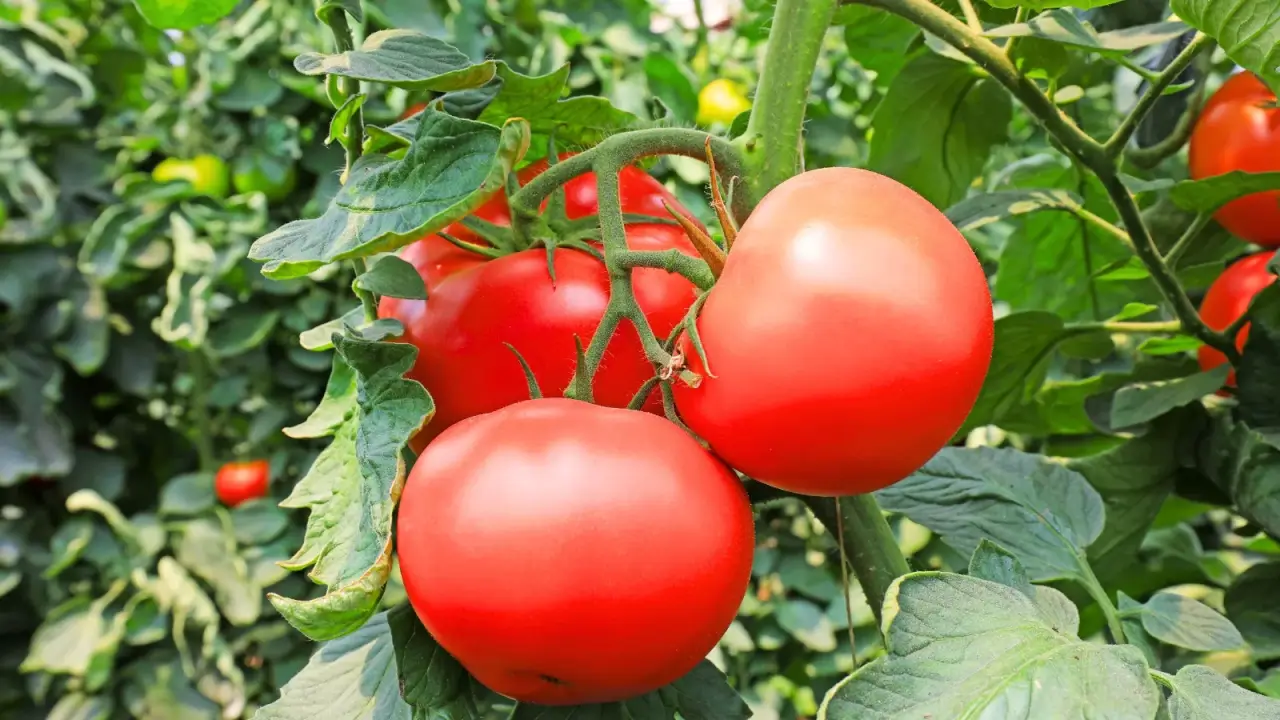
If you like classic red slicing tomatoes, ‘Mountain Merit’ is a time-tested variety with impressive disease resistance. It’s highly resistant to Fusarium wilt, gray leaf spot, tomato spotted wilt virus, and Verticillium wilt, and also moderately resistant to late blight.
The hybrid plants produce medium-sized slicing tomatoes that are perfect for slicing onto burgers or chopping for salads. Since the plants are determinate, they’ll produce all their fruits within a few weeks. Planting two or three successions will allow you to enjoy ripe red tomatoes for multiple months.
‘Spacemaster 80’ Cucumber
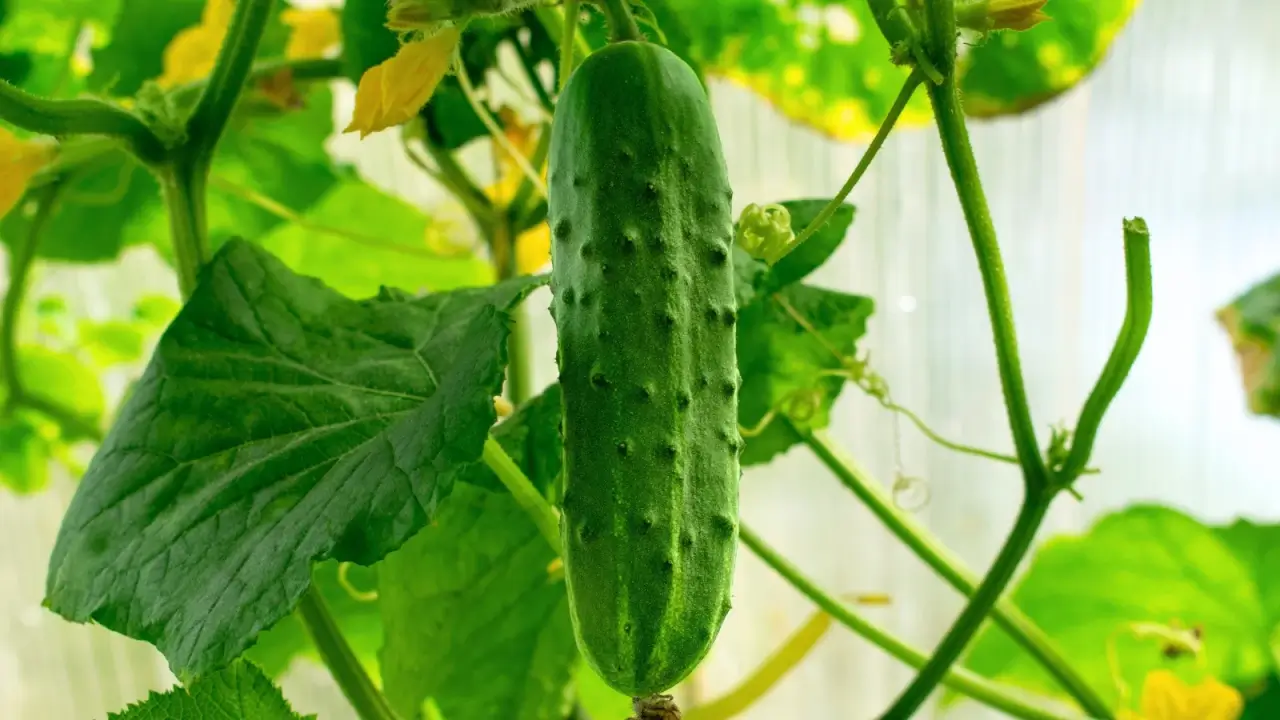
A classic slicing cucumber, ‘Spacemaster 80’ produces seven to eight-inch green fruits. The plants’ compact size is what sets this variety apart; the vines grow only a few feet long and are perfect for containers and small gardens.
This disease-resistant vegetable also stands up to common cucumber diseases, including cucumber mosaic virus, powdery mildew, downy mildew, and scab.
‘Megatron’ Jalapeno Pepper
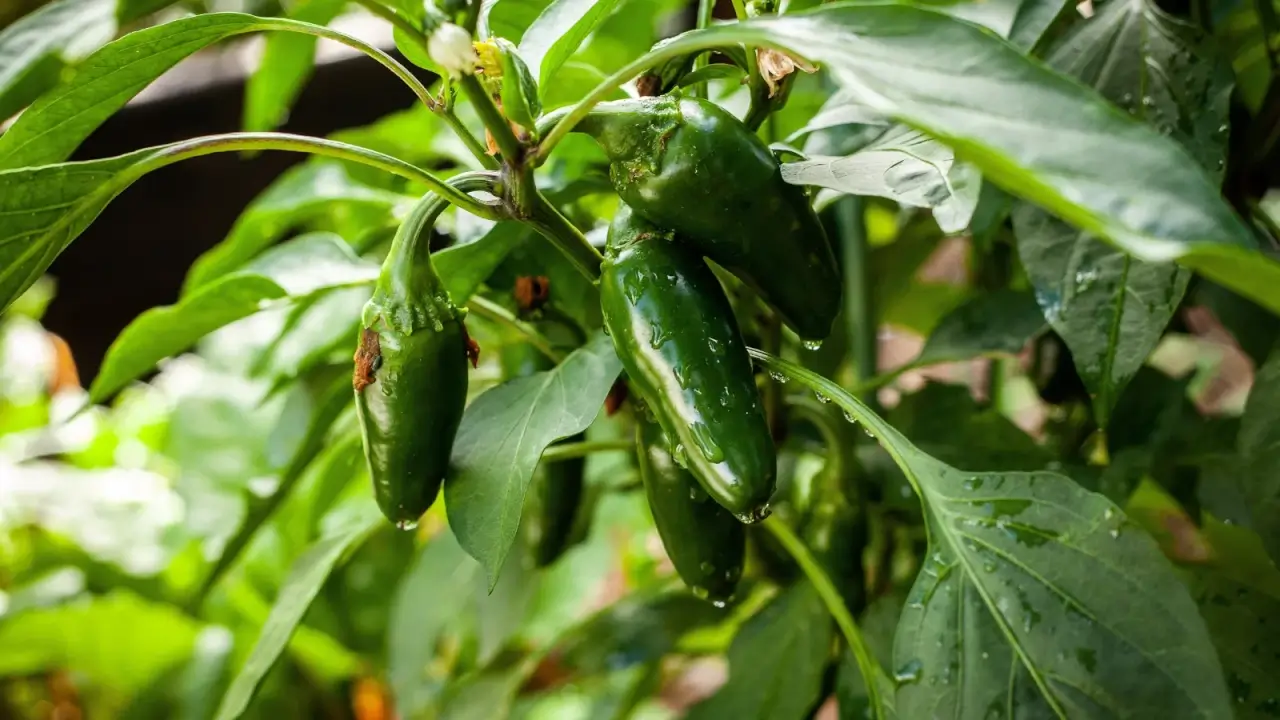
Jalapeno peppers are perfect if you want a hint of spice but don’t want to deal with watery eyes and burning lips. The green peppers are mild chile peppers that add depth to salsas, marinades, salads, and more.
‘Megatron’ produces extra-large jalapenos that can reach over four inches long. This variety’s disease resistance also makes it stand out; it’s resistant to bacterial leaf spot and tobamovirus.
‘Bolero’ Carrot
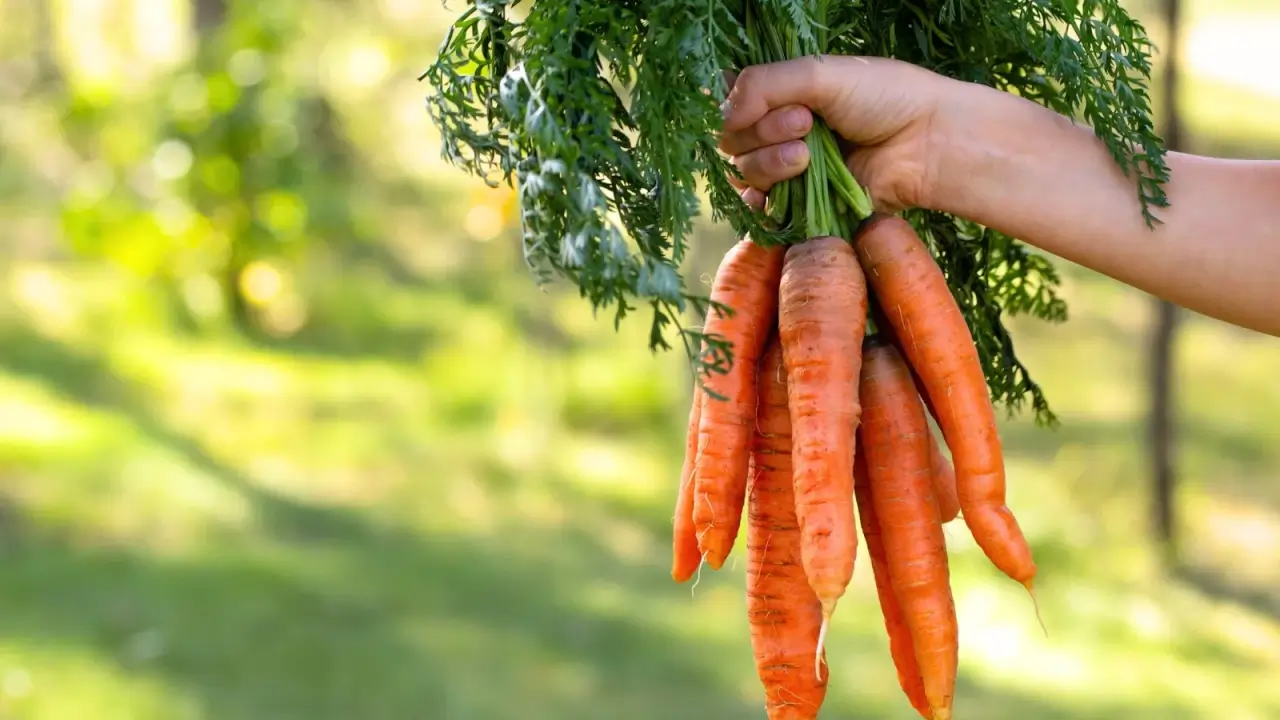
You may not think of carrots as summer vegetables, but planting the seeds in the summer is essential if you want to enjoy sweet fall roots. That’s especially true if you’re planting long-season varieties like ‘Bolero.’
This variety is a reliable storage carrot, allowing you to dig the roots in the fall and store them throughout the winter. Along with excellent storage life, they also sport resistance to bacterial blight, alternaria blight, powdery mildew, and cavity spot.
‘Sun Gold’ Tomato
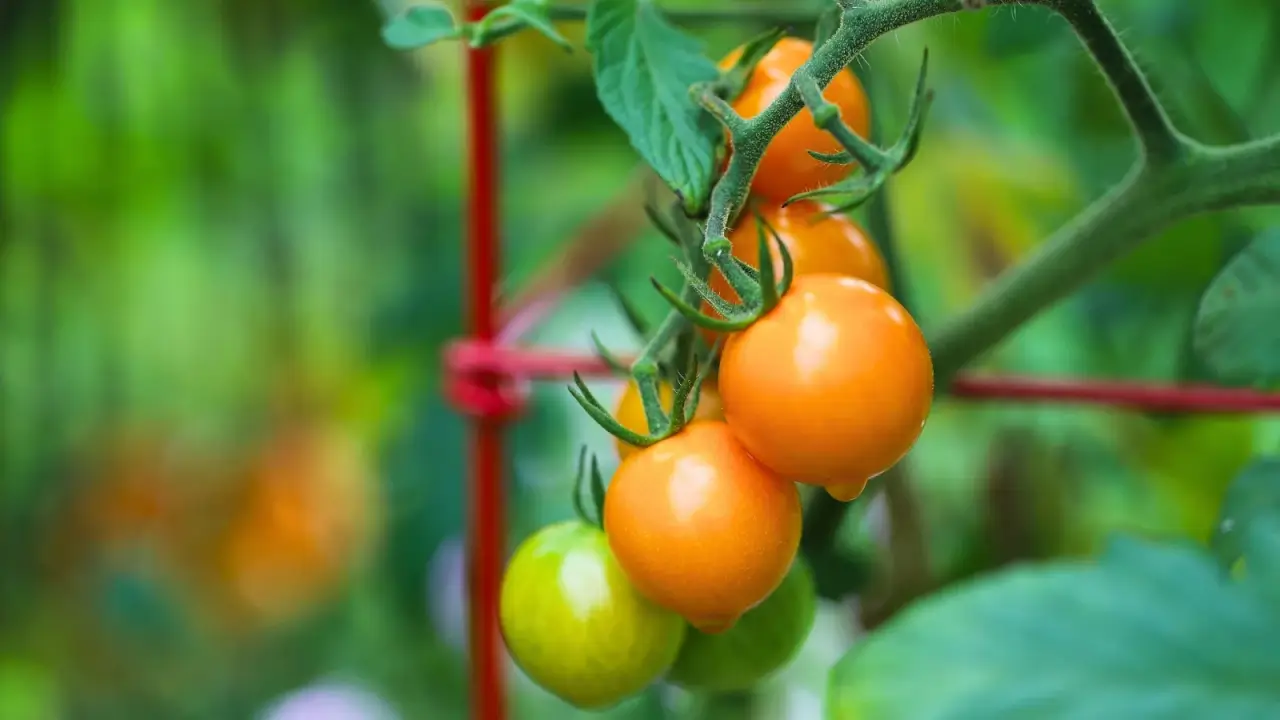
A fan favorite, ‘Sun Gold’ produces super sweet orange cherry tomatoes. Due to the tomato’s poor shelf life, this variety is rarely found outside gardens and farmers’ markets. The plant’s indeterminate growth form means you can harvest these little gems for months, as long as the plants are healthy.
‘Sun Gold’ plants are resistant to Fusarium wilt and tobacco mosaic virus. Since the vines can grow wild, pruning and trellising will help improve airflow and limit other diseases from taking hold.
‘Jade’ Bush Beans
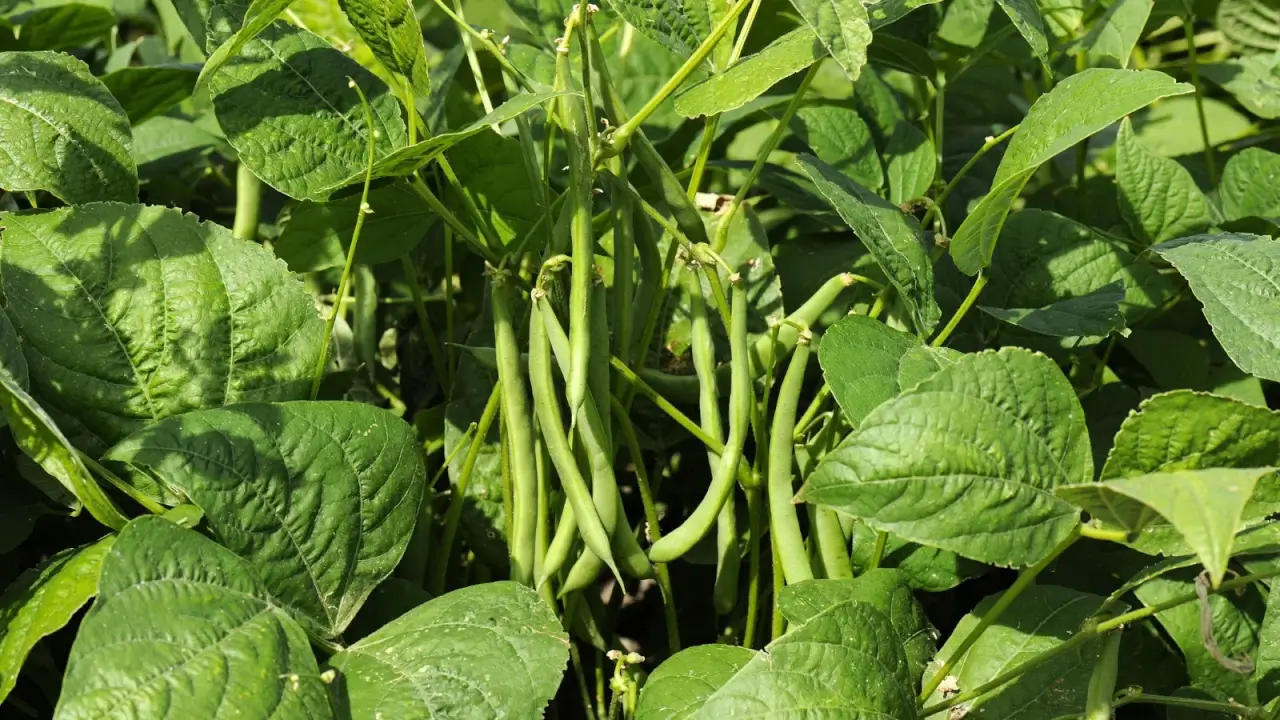
A classic green bean, ‘Jade’ has a short, bushy habit and slender, tender beans. The beans are stringless, so you can throw them in a sauté pan or even eat them raw.
The plants grow well in a variety of climates since they can tolerate heat and cold better than other varieties. They’re also resistant to bean mosaic virus, curly top virus, NY15 mosaic virus, and rust.
‘Yellowfin’ Summer Squash
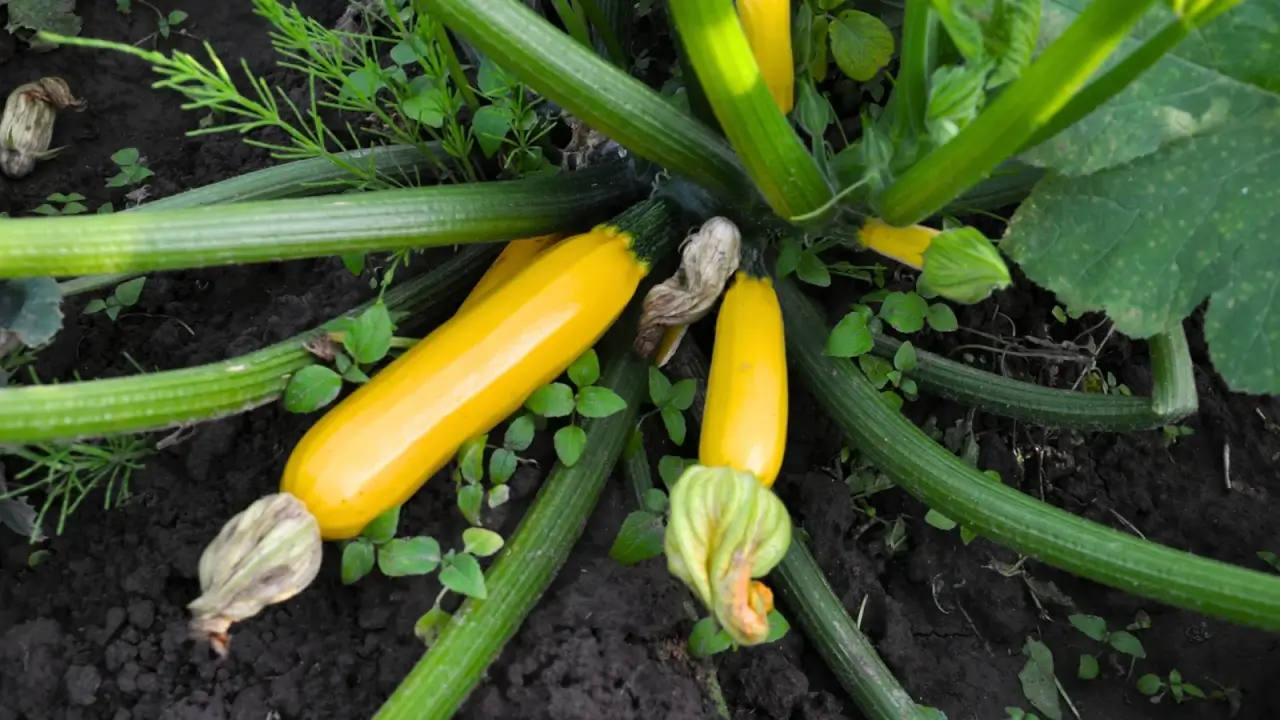
‘Yellowfin’ produces bright yellow zucchinis that stand out from the standard green varieties. The plants have a semi-open habit that makes harvesting easier, especially since the bright fruits stand out from the green leaves.
‘Yellowfin’ is a disease-resistant vegetable that can stand up to cucumber mosaic virus and powdery mildew. Keeping an eye out for squash bugs and squash vine borers will also keep the plants healthy.

