This Gardener Gets Tomato Harvests Year-Round With This Unique Growing Strategy
Can’t get enough of fresh tomatoes? Take what one gardener has learned and discover growing tips and strategies for enjoying fresh tomatoes year-round.
When you think of picking ripe vine tomatoes from the vine, long, hot summer days may come to mind. But what if you could grow tomatoes year-round? One gardener has figured out how to push the boundaries of tomato growing and harvest fresh fruits throughout the year.
Jacques doesn’t use a heated greenhouse or even a high tunnel…but he does live in San Diego. When he starts with a climate that lacks a true freeze and adds in intentional variety selection and planting dates, he’s able to enjoy homegrown tomato harvests year-round.
Even if you don’t live in a warm climate, you can gain some tips from his careful growing strategy.
Start Early, But Not Too Early
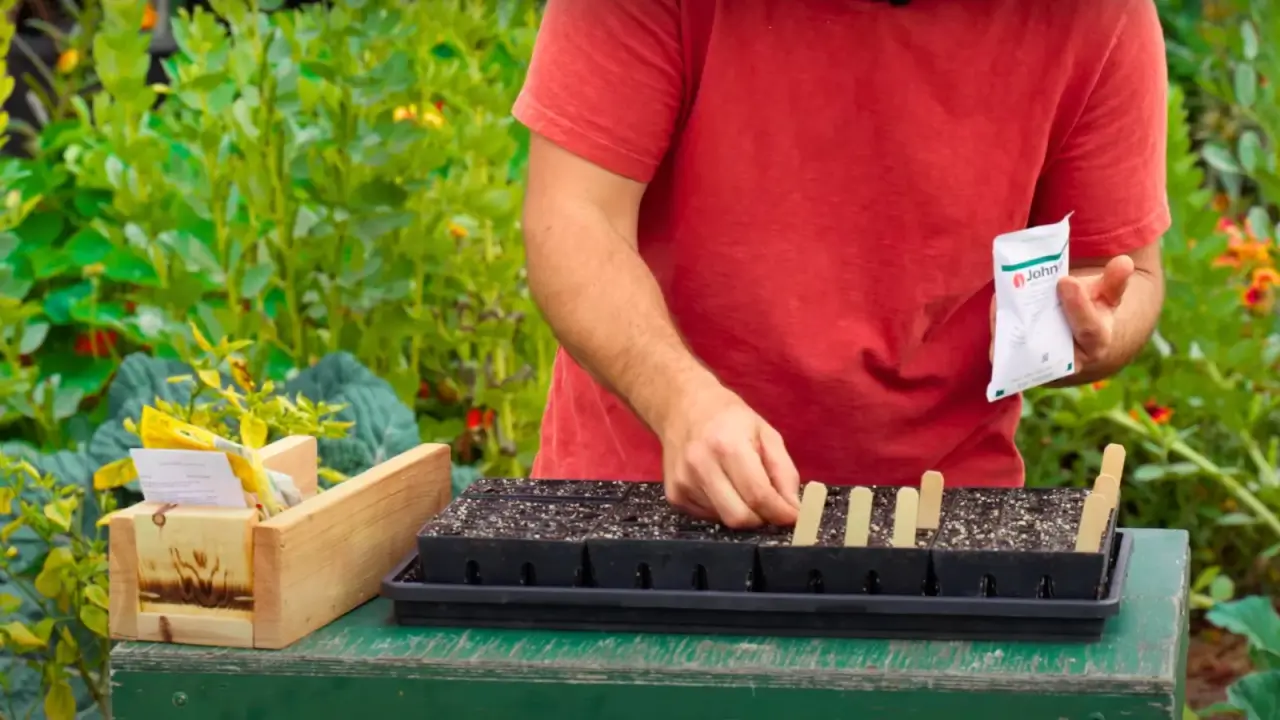
Hard frosts will quickly kill tomato seedlings, but the air temperature isn’t the only factor to consider when determining when to plant your tomatoes outdoors. The soil temperature is equally important. If you transplant when the ground is still cold, plants are likely to become stressed and stunted. Transplanting after the soil hits 65°F will help the plants experience a smooth transition into the outdoors.
Once you figure out your intended planting date, count back six to eight weeks and label this your seed starting day. Sowing the seeds early in the year will help you enjoy juicy fruits in the early summer.
Choose Varieties Carefully

Fruit color, flavor, size, and shape are obvious differences present within tomato varieties. However, fruit characteristics aren’t the variables you should be most concerned about when you’re trying to grow tomatoes throughout the year.
Paying attention to disease resistance, growth habit, and fruit storage capabilities will help you select the best varieties for each season.
Determinate or Indeterminate?
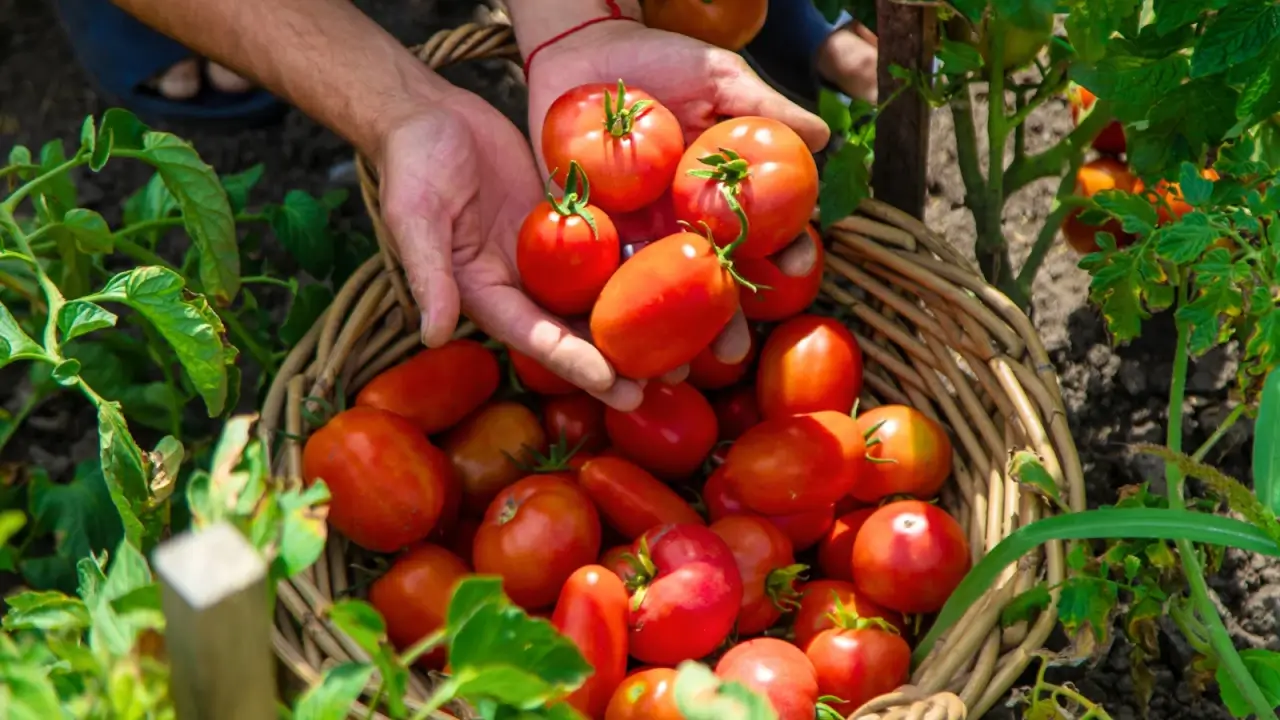
First, look at whether the tomatoes are determinate or indeterminate.
Determinate tomatoes are shorter plants that produce all of their fruits within the span of a few weeks, allowing you to enjoy a large but short harvest. If you only plant one round of determinate tomatoes, you’ll end up with a single harvest that is great for canning but not the best for year-round fresh eating.
Some popular determinate tomatoes include ‘Supremo,’ ‘BHN 589,’ and ‘Glacier.’
Indeterminate tomatoes will continue growing until frost, disease, or another factor kills them. These plants can easily grow overhead, so most gardeners consider staking and/or trellising necessary. Indeterminate plants will continue to produce a few fruits every week until the plants become unhealthy.
‘Cherokee Carbon,’ ‘Early Girl,’ and ‘Amalfi Pink’ all have indeterminate growth forms.
Disease Resistance
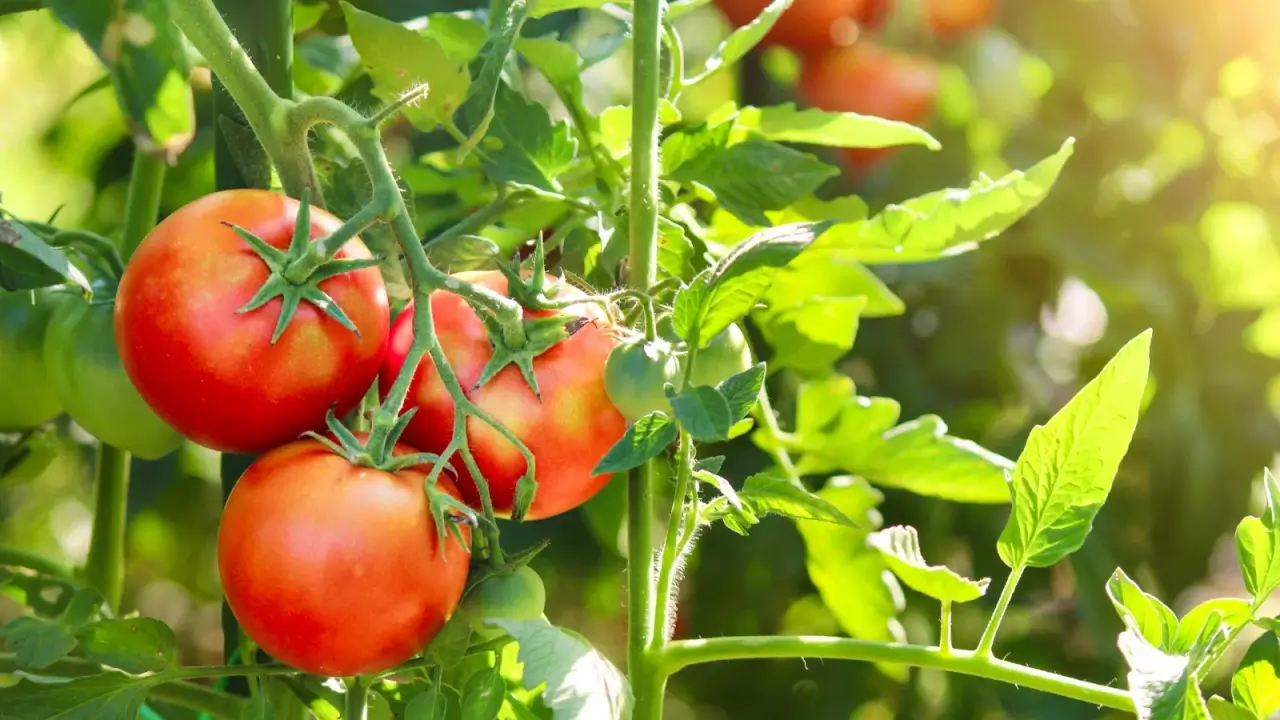
Maintaining healthy plants is a key part of being able to harvest tomatoes throughout the warmer months. Soil health, proper irrigation, pruning, and light exposure impact a plant’s ability to ward off diseases, but genetics also come into play.
If you know that certain diseases have been problematic in the past, look for varieties that contain resistance. You can find varieties resistant to early blight, fusarium wilt, and other common tomato diseases. Thinking about which diseases appear at certain months can also help you select the correct options for each succession.
Cold and Heat Tolerance
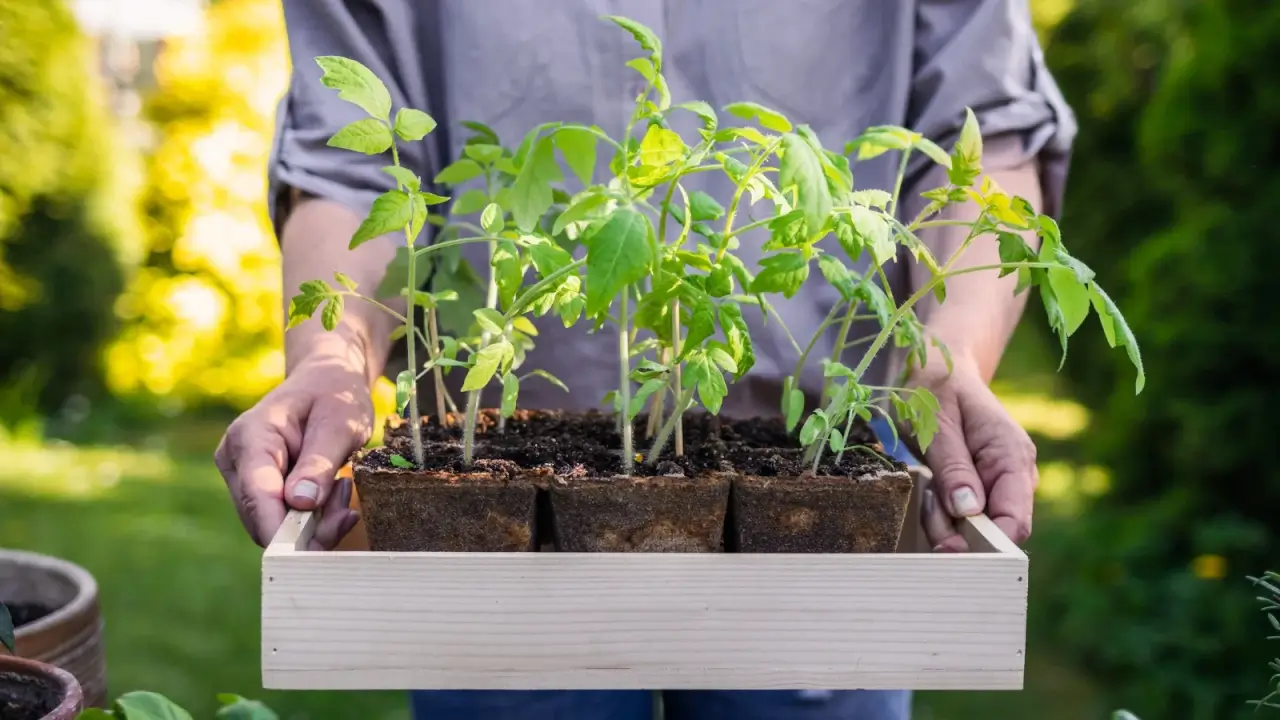
Some tomato varieties don’t mind cold soil and air, and others thrive in hot weather. Planting cold-tolerant varieties at the beginning of the season and heat-tolerant varieties a month or two later will help keep your gardens full of healthy and productive plants.
Plan for Multiple Sowings
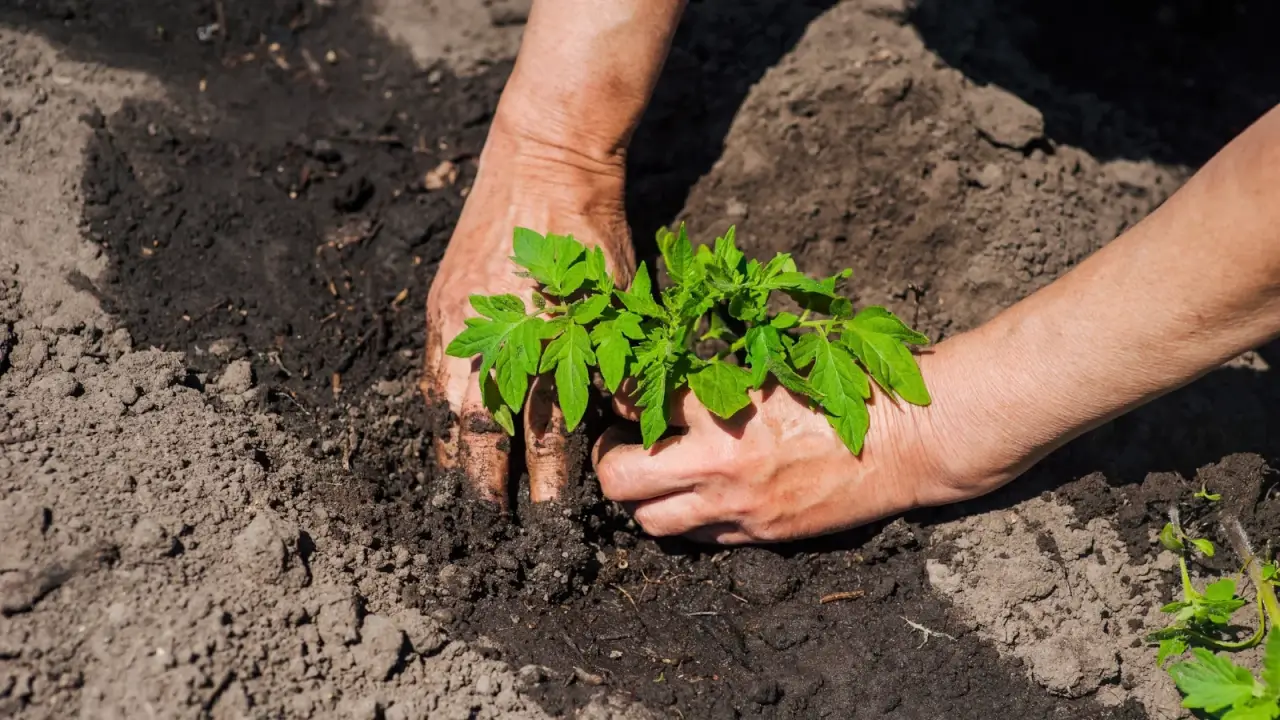
Even if you provide your plants with excellent care, they’ll eventually succumb to diseases or environmentally stressful conditions. Planting a new round of tomato seedlings every month increases the chances that you’ll always have healthy and robust plants.
You can sow the same varieties multiple times or pick new tomatoes for each time of year. For example, plant cold-tolerant ‘Glacier’ in your first sowing, then heat-tolerant ‘Jolene,’ and finally a long-storing variety like ‘Long Keeper.’
Plant Storage Varieties Later in the Season
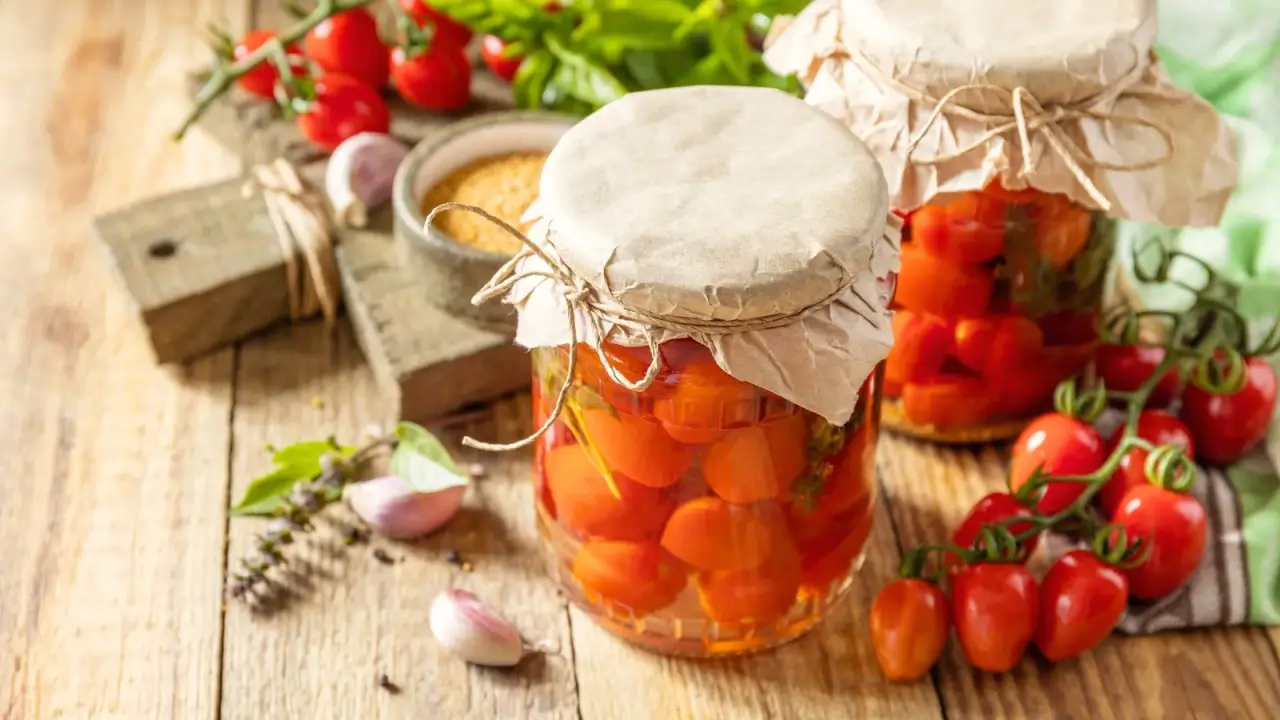
Most tomatoes last less than a week once fully ripe, so these beloved fruits are rarely considered a storage crop. If you’ve ever tried keeping fully ripe ‘Sungolds’ or ‘Cherokee Purple’ tomatoes on the counter, you know how a once beautiful tomato can quickly devolve into a puddle of juice swimming with fruit flies.
Storage life isn’t a huge concern when your tomato plants are cranking out fruits in the summer months, but this changes when days become shorter and darker. Planting varieties that hold well off the vine can help you enjoy fresh tomatoes after cold temperatures halt production.
Fortunately, some tomato varieties have an impressive shelf life. ‘Long Keeper’ produces small fruits that slowly ripen off the vine. Pick the fruits when they just start to develop a blush, store them at 65°F, and enjoy ripe tomatoes a month or two later.
Extend tomato season into the winter by canning, drying, or freezing. ‘Pomodoro d’Inverno’ tomatoes are a group of small fruits with a firm flesh and impressive storage life. You can store clusters of these ripe fruits for months by hanging them by their trusses or keeping them in a dry, cardboard box.
‘Annarita,’ ‘Piennolo Red,’ and ‘Piennolo Giallo,’ are a few long-storing varieties to consider.


