How to Dry Farm Tomatoes for Improved Taste
Skipping irrigation is risky, but it can make farming tomatoes simpler and less expensive. Join farmer Briana Yablonski to learn how to dry farm tomatoes for sweeter, more intense flavor.
How to Dry Farm Tomatoes for Improved Taste
Skipping irrigation is risky, but it can make farming tomatoes simpler and less expensive. Join farmer Briana Yablonski to learn how to dry farm tomatoes for sweeter, more intense flavor.
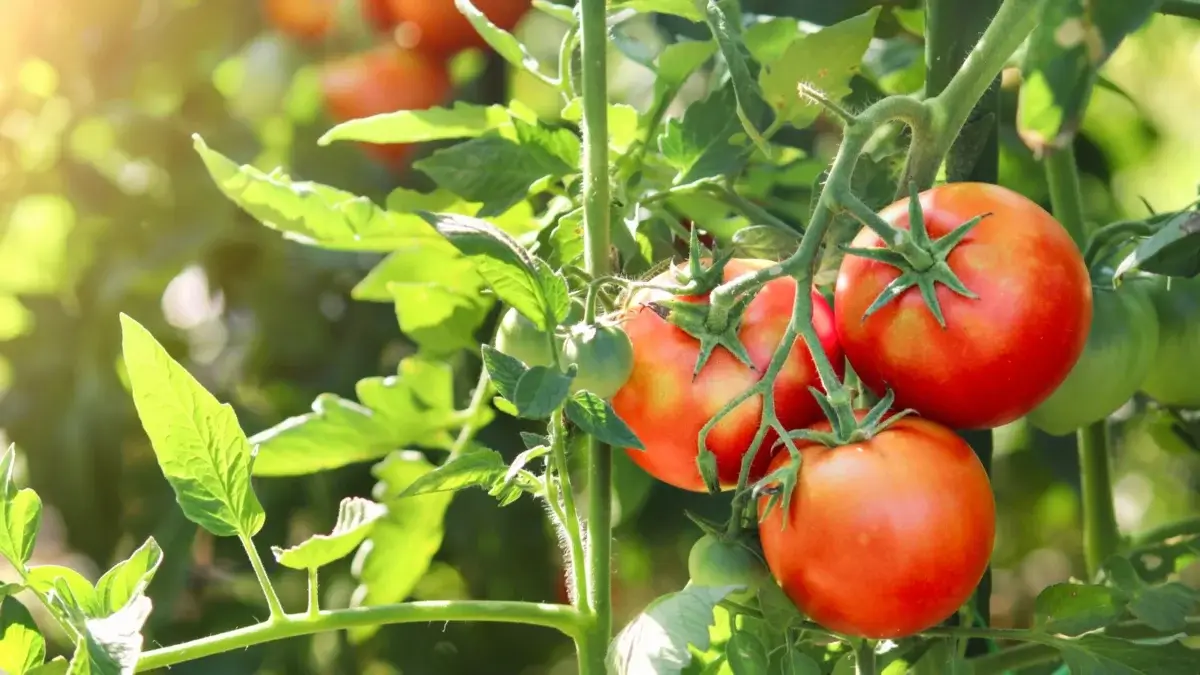
If you live in an arid climate without easy access to water or just want to skip the work of running drip lines, it’s worth exploring if you can dry farm tomatoes. This type of growing involves producing tomatoes with no supplemental water. Since the top layer of soil dries within a month after planting, the plants rely on water deep in the ground.
Skipping watering means you don’t have to worry about spending time setting up irrigation supplies and or paying for the associated water costs. It also means you can grow crops even if you live in a drought-prone area with scarce access to groundwater. And when things go well, you’ll end up with harvests of flavorful tomatoes.
Dry farming isn’t a new practice; people have been employing it for centuries in regions such as the Southwest United States, the Mediterranean, and the Sahel region of Africa. But researchers have discovered new strategies to make this practice more reliable. I’ll cover some ways you can adapt this practice to growing flavorful tomatoes.
How to Dry Farm Tomatoes

As I mentioned above, dry farming tomatoes involves caring for plants without applying any water during the growing period. It’s okay to add water as the seeds grow into seedlings and provide some water at transplanting. But once the plants are in the ground, they’re on their own.
The top of the soil may look dry, but silt and clay soil hold water deep below the top six inches of ground we often work with. Soils with high water-holding capacities can retain a foot of water in the top five feet of soil, providing plants with ample moisture as long as their roots grow deep enough.
Planting your tomatoes soon after the last spring frost gives them time to establish when the soil is still relatively moist. By the time the top layer of soil is dry, the plants will have grown roots that can penetrate deeper into the ground. Mulching around the plants also helps conserve moisture, so it’s a good tactic if you want to dry farm tomatoes.
Benefits of Dry Farming Tomatoes

Dry-farmed tomatoes are well-known in California and are gaining popularity in the Pacific Northwest and other growing regions. Customers know these fruits for their smaller size, which packs all of the flavor of larger fruits into a compact vessel. The result is supremely sweet tomatoes. This improved flavor and the unique marketability are two key advantages of dry farming tomatoes.
Since dry farming allows you to skip irrigation, it comes with far fewer costs. You don’t have to spend money on driplines, headers, and hoses, nor on the labor required to set up this equipment. Plus, there’s no need to pay for water since you won’t use any.
Potential Challenges of Dry Farming Tomatoes

While dry farming is often thought of as a simpler way to grow tomatoes, it’s not necessarily easy and foolproof. The lack of moisture can make it challenging for the plants to obtain the water and nutrients they need to remain healthy.
Nutrient Absorption
Since the top foot of soil quickly dries out, tomato plants struggle to absorb nutrients near the surface where most grower-applied nutrients exist. Getting nutrients into the soil below 30 cm will help them remain accessible to plants even as the top portion of soil dries.
Blossom end rot, a condition that results when plants don’t have access to enough calcium, is another challenge of dry farming tomatoes. Even if there are ample amounts of calcium in the soil, plants struggle to absorb it if the soil is dry. Fortunately, farmers can take numerous steps to decrease the prevalence of this issue.
Researchers found that adding windbreaks near crops sheltered them from drying winds and slowed soil moisture loss. In turn, blossom end rot levels decreased. Limiting nutrient applications at planting time can also decrease blossom end rot rates, but may also decrease overall tomato yield.
Decreased Yields
Even though dry farming tomatoes can lead to sweeter fruits, these plants often produce lower yields than their irrigated counterparts. It’s up to you to determine whether the decreased yields are worth the savings that come from forgoing irrigation.
Region-Dependent
Finally, it’s important to recognize that dry farming tomatoes isn’t well-suited for every region. It works best in areas with clay or loam soil that can hold onto winter and early spring moisture throughout the summer. Sandy soils quickly lose their water, making it difficult for plants to remain healthy.
This Gardener Gets Tomato Harvests Year-Round With This Unique Growing Strategy
Can’t get enough of fresh tomatoes? Take what one gardener has learned and discover growing tips and strategies for enjoying fresh tomatoes year-round.

