Growing Mushrooms to Improve the Soil: How it Works
If you want to enrich or remove toxins from your soil and create the ideal growing environment for your crops, fungi may be your secret weapon.
Growing Mushrooms to Improve the Soil: How it Works
If you want to enrich or remove toxins from your soil and create the ideal growing environment for your crops, fungi may be your secret weapon.
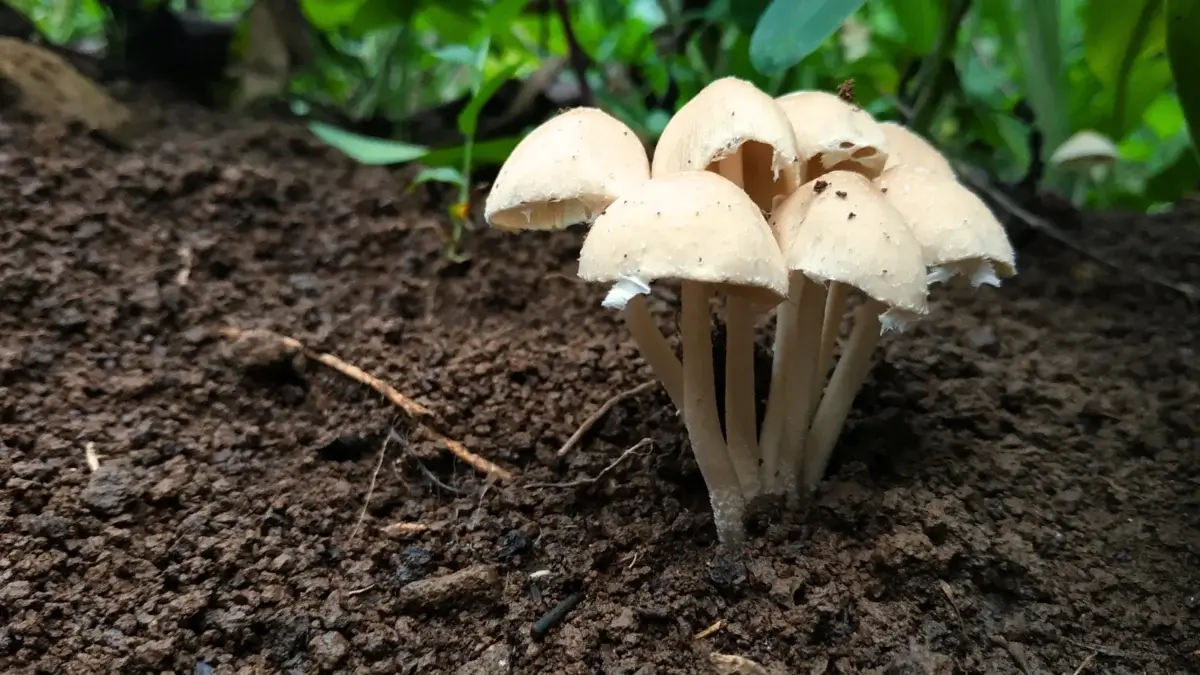
When you think of improving the soil, you may imagine planting cover crops or utilizing minimal tillage systems that allow microorganisms to thrive. And while these practices can help make the soil a better home for cash crops, growing mushrooms provides benefits besides tasty fungi.
While cultivated edible mushrooms are often grown indoors, adding the right species of fungi to your gardens can help improve the soil while offering you a valuable product. These fungi can help break down organic matter, making nutrients more available to plants. They also improve structure, prevent erosion, and support other microbes that benefit plants.
The Soil-Improving Benefits of Mushrooms
If you’ve ever seen fungi help break down a mulch pile, you already recognize how they can improve soil. Here are a few ways mushrooms can benefit soil health.
Decomposition of Organic Matter

Decomposers are any organisms that help break down dead material and return nutrients into the surrounding environment. Insects like pill bugs and millipedes complete this work, as do many bacteria and protozoa. However, saprophytic fungi also play a big role in breaking down leaf litter, animal feces, and other ‘waste’ material.
Varieties like wine caps, shitakes, and oysters feed on carbonaceous materials like wood chips and leaves. As the fungi break the items into smaller particles, plants are eventually able to uptake nutrients. In essence, these fungi help break down materials that you may first put into a compost pile or shredder.
Improved Structure

A soil’s structure is just as important as the nutrients it contains. Compaction can lead to poor water percolation and associated runoff, while loose soils are prone to erosion. While we’re often interested in the fruiting bodies of fungi, some also have a vast underground network of root-like mycelium.
These mycelium help hold the soil in place while breaking it up into small aggregates. This results in improved water retention, drainage, aeration, and resistance to erosion.
Feeds the Food Web

As fungi grow, they release exudates like carbohydrates, amino acids, and enzymes. These particles feed other soil life, helping bacteria and archaea thrive. The fungi also help support other microbes by creating a structure where they can thrive.
Help Plants Thrive

If you want to naturally remove toxins from the soil, you can use mushrooms to help with bioremediation. Some strains, like wine caps, use their mycelium to trap and absorb pollutants. If you haven’t heard about mycelial networks, get ready to be amazed. Many fungi form underground threads of mycelium that weave together with plant roots. These mycelium act as a type of phone system that allows plants to send messages and share resources.
The networks often occur naturally, existing even where we rarely see mushrooms. While few edible species produce these mycelium, you can inoculate your garden with fungal-rich compost to spur the development of these networks.
Should You Grow Mushrooms or Let Native Fungi Do the Work?

Now that you know the benefits that mushrooms play in soil health, the question is whether you should cultivate specific types or let native fungi take over. The answer depends on your circumstances and wishes.
First, know that not all mushrooms are created equal. Most of the edible types that we grow are saprophytic, meaning they break down dead material. While this is great for adding nutrients, these species don’t form mycorrhizal networks that improve structure and help plants communicate.
On the other hand, few native mycorrhizal fungi produce tasty mushrooms, and many never produce any fruiting bodies above the ground. So, if you hope to grow mushrooms for harvest and soil health, don’t count on these native fungi. Growing both cultivated and wild fungi often helps you take advantage of all the benefits fungi have to offer. Limiting tillage, inoculating with biologically rich compost, and adding organic matter to the soil can all help fungal populations thrive.
How to Grow Mushrooms Alongside Crops
If you want to grow mushrooms to improve the soil and harvest the fruits, you don’t have to wait until your fields are empty to start. Since sought-after edible varieties like shiitake, wine caps, and oysters feed on dead material, you can plant them alongside your plants. Here are a few ways to do so.
Inoculated Wood Chip Paths

If you have the walkways between your beds mulched with wood chips, you can inoculate the area with wine cap spawn. They will feed on the decaying wood and produce deep red fruiting bodies. Be aware that wine caps will remain happiest when the wood chips are kept moist.
Add to Compost Pile

If you have a pile of woodchips you’re working to compost, you can add oyster spawn to speed up the process and provide you with a delicious harvest. While oysters naturally grow on dead logs and trees, they can also grow well in straw, woodchips, or other carbonaceous materials.
Keeping the pile shaded and moist will provide the optimum conditions for the fungi. You may not see mushrooms for over a year, but the fungi will be at work breaking down organic material.
Grow and Maintain Fungi for Improved Soil Health

While growing mushrooms can improve soil health, it’s important to remember that native mycorrhizal fungi are just as important as cultivated varieties! Even if you don’t plan to grow mushrooms in your garden, limiting tillage and adding organic matter can help fungi thrive.
The Untapped Potential of Mushrooms
An excerpt from ‘In Search of Mycotopia,’ a new book about the transformative power of mushrooms and the people leading the modern mycological movement.

