Farmer Food: How Agriculture Is Changing
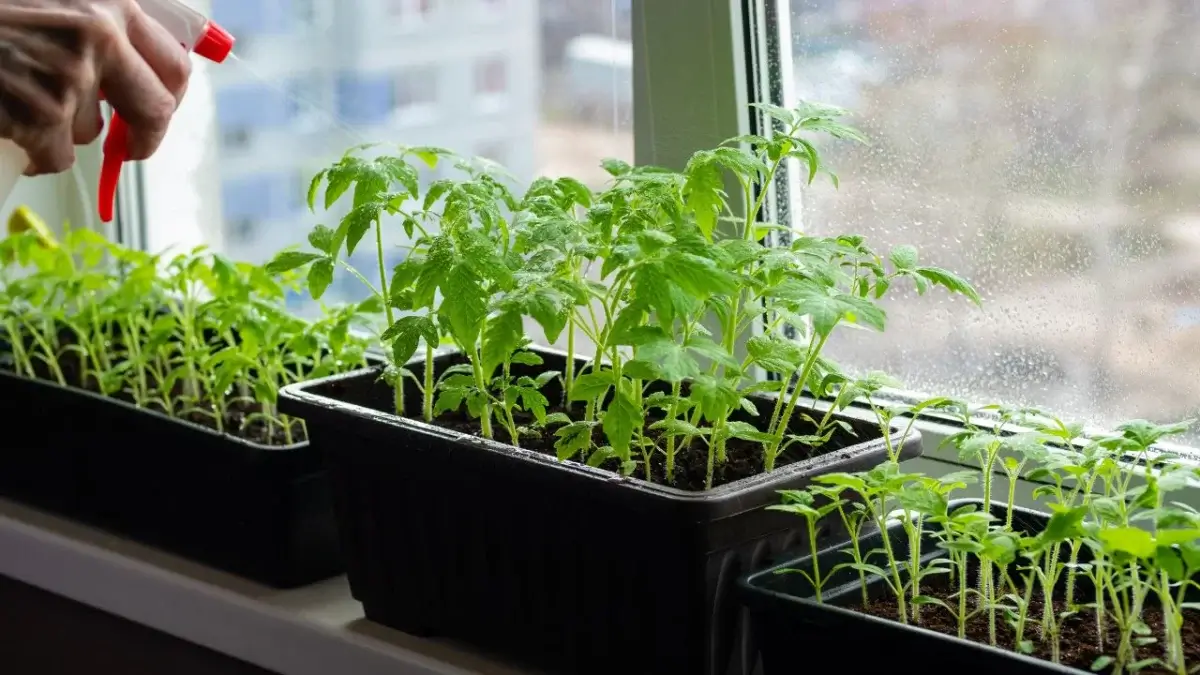
Food is changing rapidly, and farmers are at the center of that transformation. Modern farmers are using new technology, sustainable farming methods, and innovative food production techniques to grow healthier crops and meet the needs of a growing population.
What Is Modern Farmer Food?
Modern farmer food refers broadly to food produced through contemporary farming practices. It can include fresh vegetables, fruits, grains, dairy products, meat, and specialty crops grown using modern technology and more efficient agricultural systems.
Unlike traditional farming, modern agriculture can combine farming knowledge with tools such as precision agriculture, automated equipment, greenhouse systems, soil sensors, drones, and data analysis.
Technology on the Modern Farm
Technology has become an important part of food production. Farmers can use sensors to monitor soil moisture, temperature, and crop conditions. GPS-guided machinery can help farmers plant and harvest more precisely, while drones can provide aerial images that help identify areas of a field that may need attention.
These technologies can help farmers use water, fertilizer, and other resources more efficiently while improving their ability to monitor crops.
Fresh Food and Local Agriculture
Modern farming is not only about large-scale agriculture. Many small farmers are also using modern techniques to produce fresh food for local communities.
Urban farms, greenhouse operations, hydroponic systems, and community-supported agriculture programs have created additional ways for consumers to access locally grown food. In some cities, farmers can produce vegetables and herbs close to where they are consumed, reducing the distance food needs to travel.
Sustainable Farming
Sustainability is another major part of modern agriculture. Farmers are experimenting with practices such as crop rotation, cover crops, integrated pest management, conservation tillage, and improved irrigation systems.
The goal is to produce food while protecting soil, managing water responsibly, and maintaining productive farmland for future generations.
What Consumers Want
Modern consumers increasingly want to know where their food comes from and how it was produced. Interest in organic products, locally grown food, seasonal produce, and sustainably produced foods has encouraged farmers and food companies to provide more information about their products.
At the same time, affordability remains important. Farmers must balance consumer demand for high-quality food with the costs of labor, equipment, land, energy, transportation, and other inputs.
The Future of Farmer Food
The future of food production will likely combine traditional agricultural knowledge with new technology. Artificial intelligence, robotics, improved crop varieties, controlled-environment agriculture, and better data systems could change how farms operate over the coming decades.
However, technology alone cannot solve every agricultural challenge. Farmers still depend on healthy soil, reliable water supplies, suitable climates, skilled workers, and strong local communities.
Ultimately, modern farmer food is about more than technology. It is about finding practical ways to produce nutritious food efficiently while adapting to changing environmental, economic, and consumer demands.
Follow us
Republish!

Republish our articles for free, online or in print, under a Creative Commons license.

This work is licensed under a Creative Commons Attribution-NoDerivatives 4.0 International License.
Want to republish a Modern Farmer story?
We are happy for Modern Farmer stories to be shared, and encourage you to republish our articles for your audience. When doing so, we ask that you follow these guidelines:
Please credit us and our writers
For the author byline, please use “Author Name, Modern Farmer.” At the top of our stories, if on the web, please include this text and link: “This story was originally published by Modern Farmer.”
Please make sure to include a link back to either our home page or the article URL.
At the bottom of the story, please include the following text:
“Modern Farmer is a nonprofit initiative dedicated to raising awareness and catalyzing action at the intersection of food, agriculture, and society. Read more at <link>Modern Farmer</link>.”
Use our widget
We’d like to be able to track our stories, so we ask that if you republish our content, you do so using our widget (located on the left hand side of the article). The HTML code has a built-in tracker that tells us the data and domain where the story was published, as well as view counts.
Check the image requirements
It’s your responsibility to confirm you're licensed to republish images in our articles. Some images, such as those from commercial providers, don't allow their images to be republished without permission or payment. Copyright terms are generally listed in the image caption and attribution. You are welcome to omit our images or substitute with your own. Charts and interactive graphics follow the same rules.
Don’t change too much. Or, ask us first.
Articles must be republished in their entirety. It’s okay to change references to time (“today” to “yesterday”) or location (“Iowa City, IA” to “here”). But please keep everything else the same.
If you feel strongly that a more material edit needs to be made, get in touch with us at [email protected]. We’re happy to discuss it with the original author, but we must have prior approval for changes before publication.
Special cases
Extracts. You may run the first few lines or paragraphs of the article and then say: “Read the full article at Modern Farmer” with a link back to the original article.
Quotes. You may quote authors provided you include a link back to the article URL.
Translations. These require writer approval. To inquire about translation of a Modern Farmer article, contact us at [email protected]
Signed consent / copyright release forms. These are not required, provided you are following these guidelines.
Print. Articles can be republished in print under these same rules, with the exception that you do not need to include the links.
Tag us
When sharing the story on social media, please tag us using the following: - Twitter (@ModFarm) - Facebook (@ModernFarmerMedia) - Instagram (@modfarm)
Use our content respectfully
Modern Farmer is a nonprofit and as such we share our content for free and in good faith in order to reach new audiences. Respectfully,
No selling ads against our stories. It’s okay to put our stories on pages with ads.
Don’t republish our material wholesale, or automatically; you need to select stories to be republished individually.
You have no rights to sell, license, syndicate, or otherwise represent yourself as the authorized owner of our material to any third parties. This means that you cannot actively publish or submit our work for syndication to third party platforms or apps like Apple News or Google News. We understand that publishers cannot fully control when certain third parties automatically summarize or crawl content from publishers’ own sites.
Keep in touch
We want to hear from you if you love Modern Farmer content, have a collaboration idea, or anything else to share. As a nonprofit outlet, we work in service of our community and are always open to comments, feedback, and ideas. Contact us at [email protected].by Nicole Cotroneo Jolly, Modern Farmer
October 2, 2026
Modern Farmer Weekly
Solutions Hub
Innovations, ideas and inspiration. Actionable solutions for a resilient food system.
ExploreExplore other topics
Share With Us
We want to hear from Modern Farmer readers who have thoughtful commentary, actionable solutions, or helpful ideas to share.
SubmitNecessary cookies are absolutely essential for the website to function properly. This category only includes cookies that ensures basic functionalities and security features of the website. These cookies do not store any personal information.
Any cookies that may not be particularly necessary for the website to function and are used specifically to collect user personal data via analytics, ads, other embedded contents are termed as non-necessary cookies.