11 Tasty and Easy to Grow Squash Varieties
Choosing the right squash variety for next season can help you grow an exceptional crop. Select types that match your climate and gardening goals, and you’ll be well on your way to a bountiful harvest.
11 Tasty and Easy to Grow Squash Varieties
Choosing the right squash variety for next season can help you grow an exceptional crop. Select types that match your climate and gardening goals, and you’ll be well on your way to a bountiful harvest.
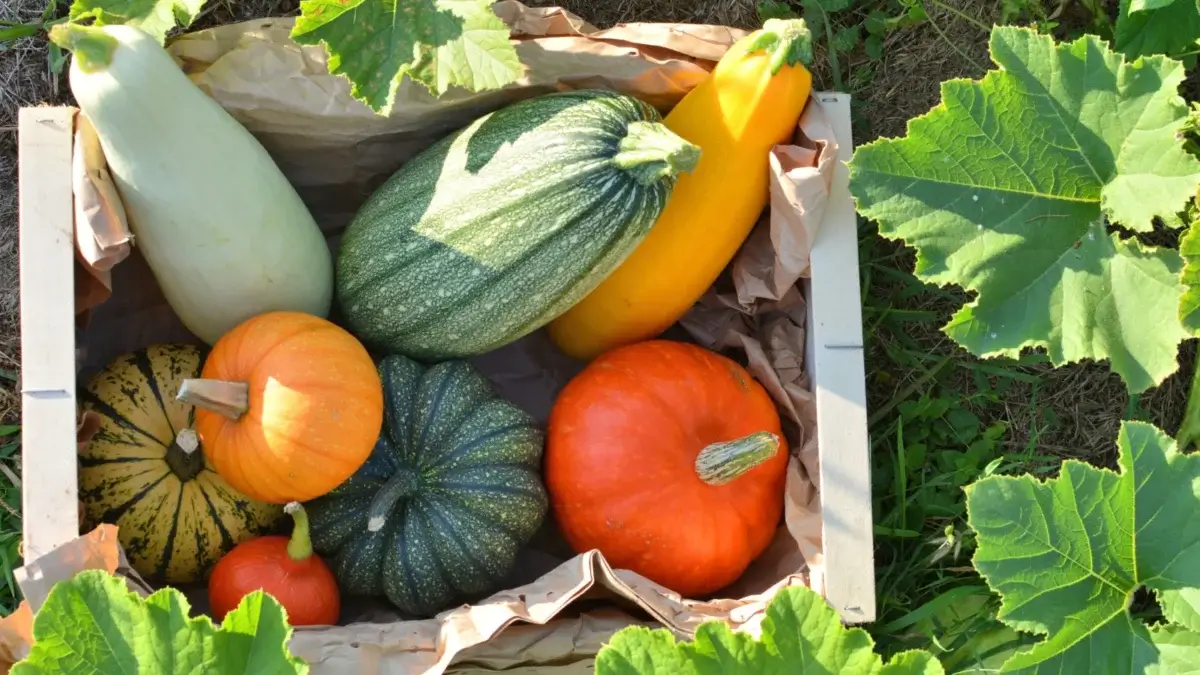
When it comes to squash varieties, there are way too many to count. This delicious fruit is one of the longest cultivated food plants, with a storied history that dates back over 8,000 years. This is when the first evidence of its cultivation was found, with origins among the indigenous peoples of the Americas.
It wasn’t until the 1500s that Europeans mentioned squash in their writings. But people have been eating and breeding it for a long time. Due to their ease of growth and cross-breeding, new varieties are popping up all the time. As long as you’re not wary of toxic squash syndrome, you could breed your own varieties, too.
But if you don’t want to do that, there are already a ton of cultivars to choose from. As you plan your garden for fall, summer, or spring, pop a few of these in your design. Focus on the ones that will meet your needs in terms of what your market demands, and what parameters your climate provides. Squash is a great choice for any garden type.
Summer Squash
We’ll start with the quick-maturing, soft-skinned squashes that you start in spring and grow into summer. It’s likely you’ll be harvesting in late spring all the way to early fall, depending on the varieties you pick.
Black Beauty
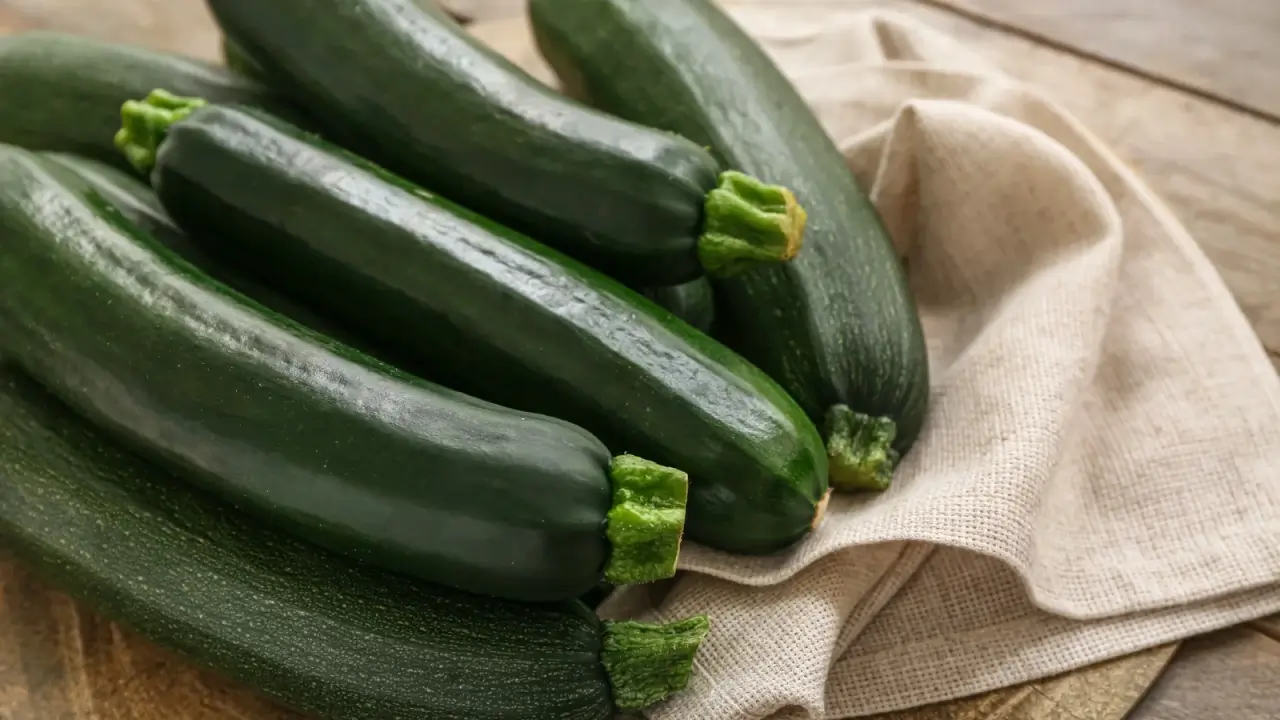
Zucchini is a great option for just about any farm, and ‘Black Beauty’ is exceptional. With roughly two-foot-tall bushes, it fits into large and small-scale operations. It takes 55 days to go from seed to zucchini, all of which are good for recipes of all kinds.
This heirloom hails back to the 1920s and was an All-America Selections winner in 1957. Pick the zuccs when they reach six to eight inches long for the best, most tender eating.
Cosmos
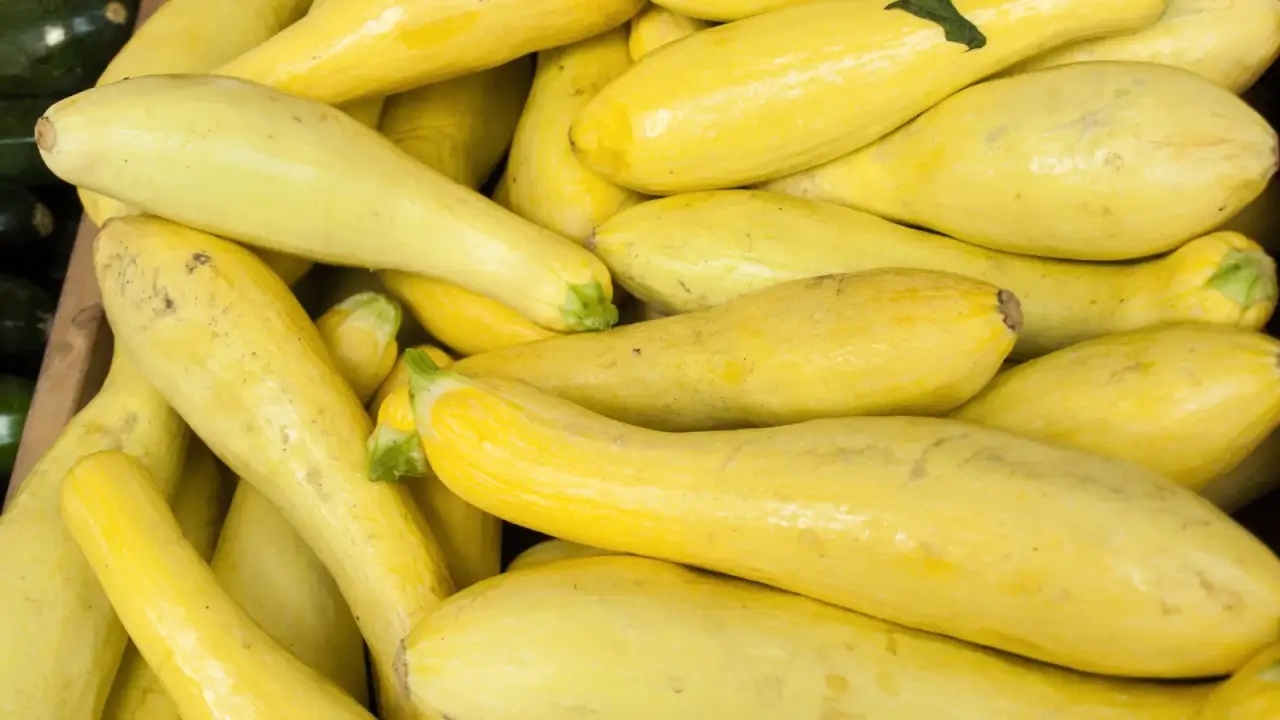
This is a perfect cylindrical yellow squash that is best harvested at six to eight inches long. At 55 days, your plant won’t take up more than a few feet vertically or horizontally. ‘Cosmos’ is just as productive as ‘Black Beauty’, and with a small stature, it fits almost anywhere.
The bright yellow skin and sweet, nutty flavor of this squash set it apart. As long as you have a few containers or a row, pop this one in for multiple rounds of supple squash.
Patty Pan
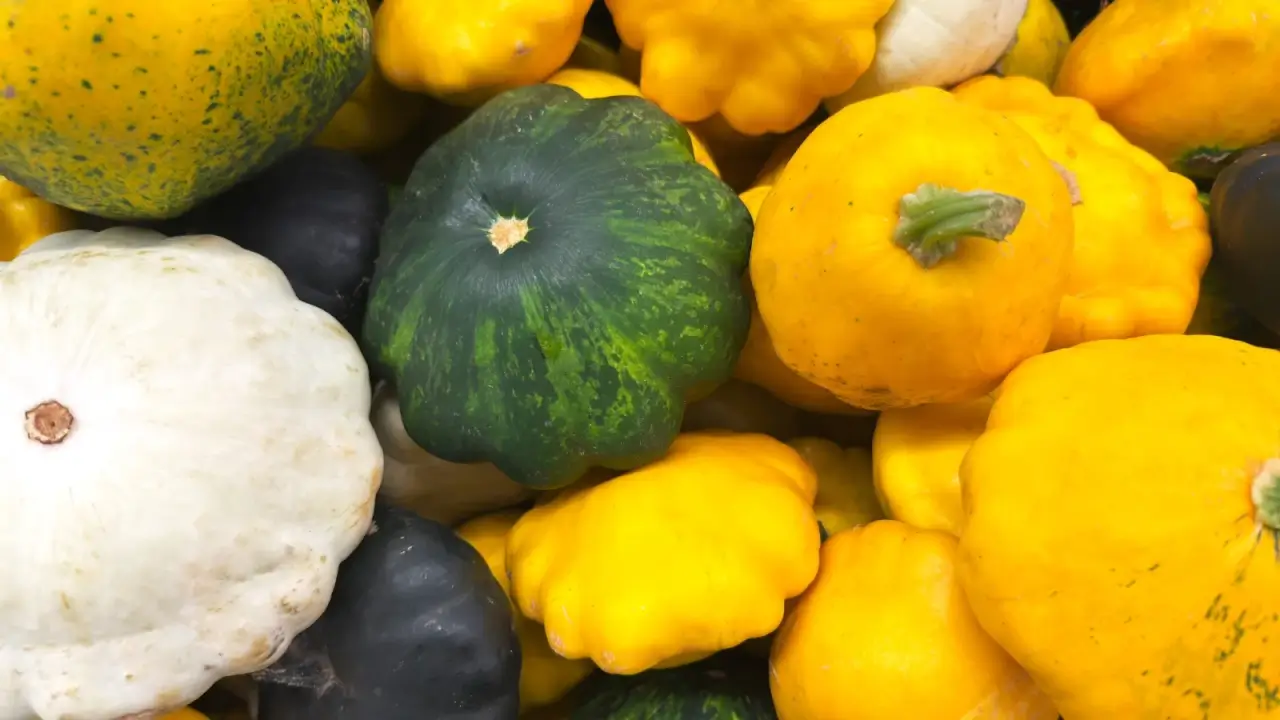
While any patty pan squash tends to be a hit in the garden, a mixture brings multiple colors to the market stand and the dinner plate. Try ‘Scallop Blend‘ to grow a combination of yellow, white, and green patty pan fruits. This is another bush variety, topping out at two feet.
One the patty pans reach two inches wide, they’re ready to go. The light, buttery flavor they offer highlights any summer dish, and their rainbow of color looks great on display.
Ronde de Nice
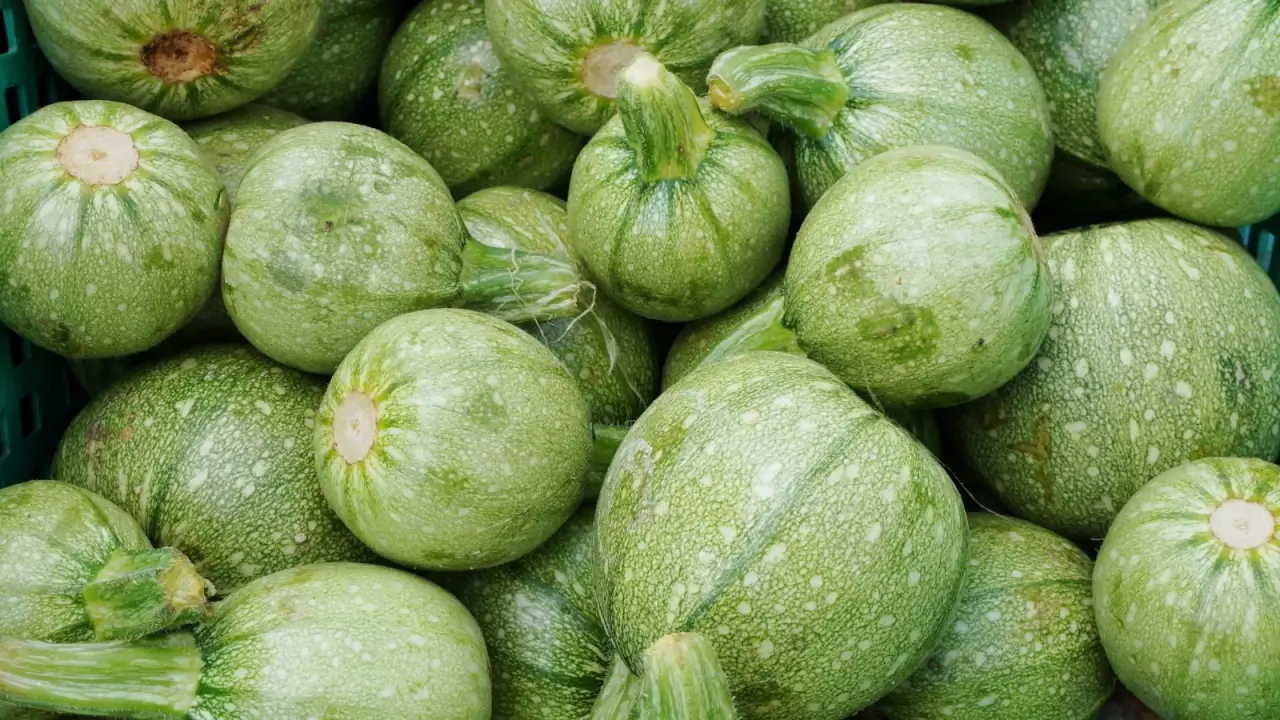
If you’re sick of the standard cylindrical varieties, try a round zucchini. ‘Ronde de Nice’ is named after the place where it was cultivated: Nice, France. It’s small and very finely flavored. In cooking, it is often hollowed out and eaten as a stuffed squash. With a small habit (no more than three feet), and a quick maturing rate (45 to 55 days), this is a great option.
Sunstripe
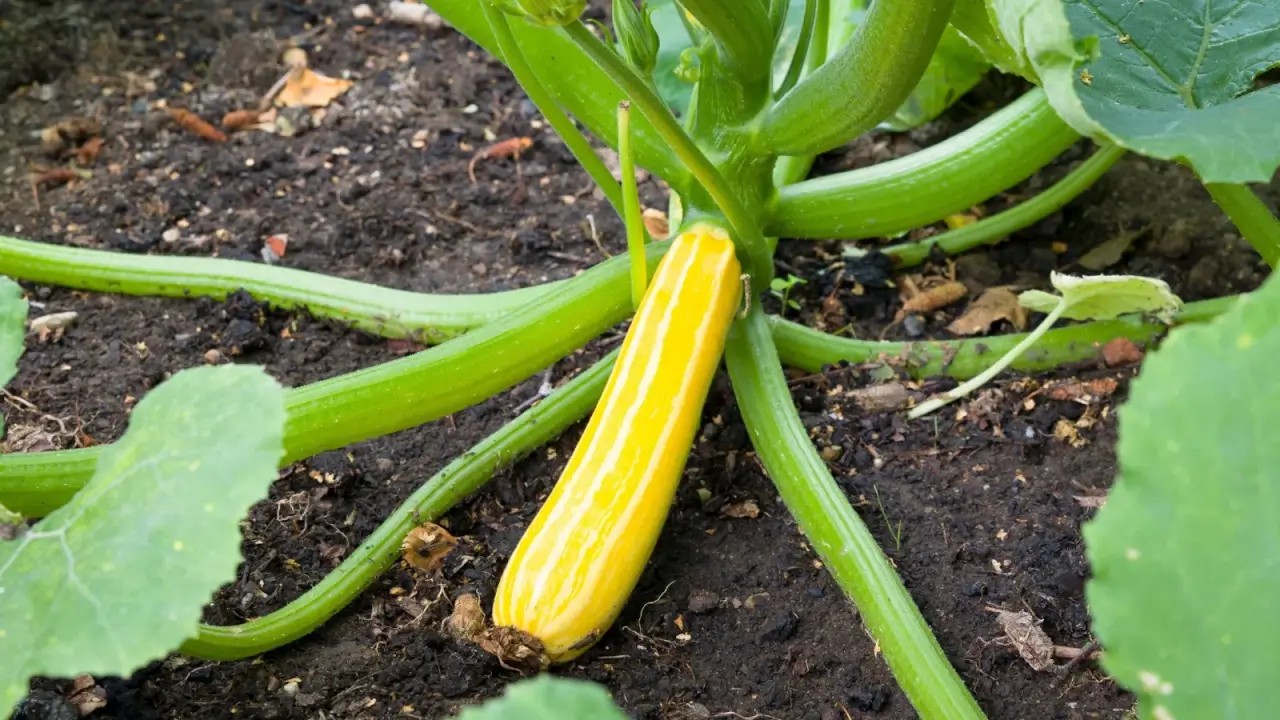
This unique, lemon-colored and striped squash is an F1 hybrid that is harvestable at 55 days. The flesh is white, with a smooth and creamy texture. The flavor is adaptable to most of your standard squash dishes. As a bush, ‘Sunstripe’ is small, and doesn’t take up as much space as the average squash vine.
The best feature of this variety? It doesn’t have thorns that irritate skin in tending and harvesting.
Crookneck Early Golden
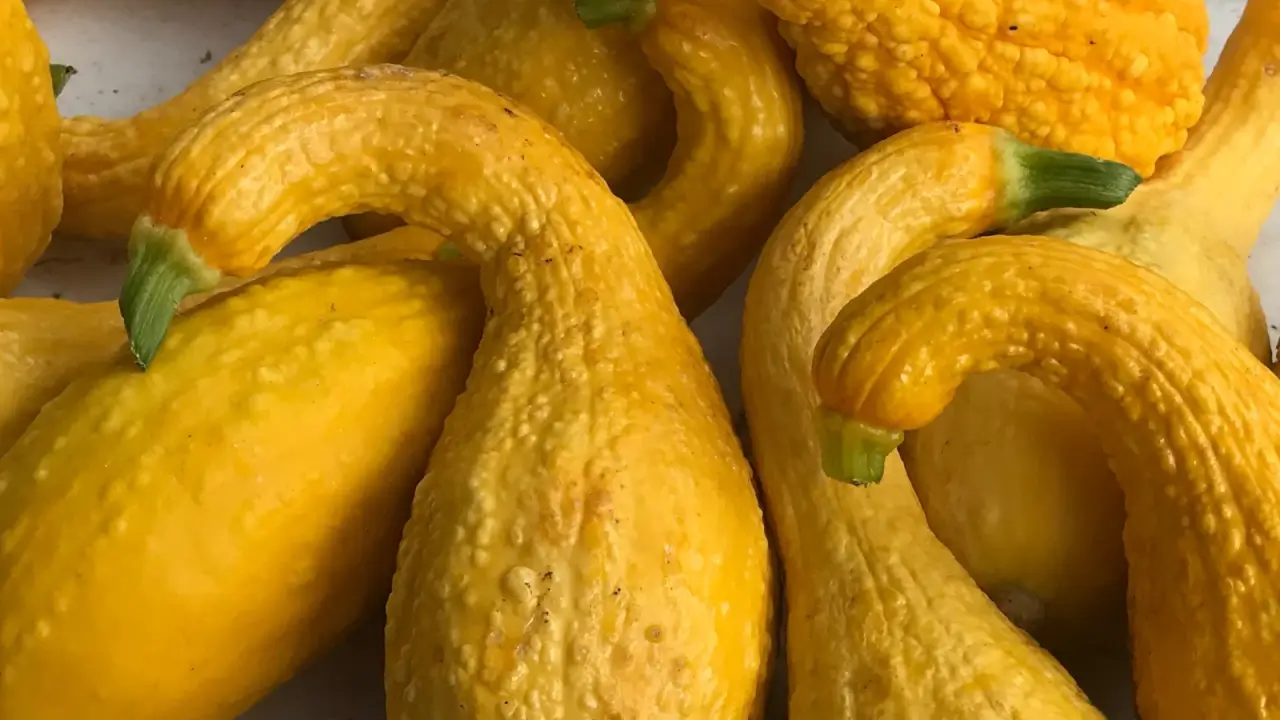
This is another heirloom with a shining reputation. Its skin is bright yellow and slightly warty, giving it a bit of a fall and winter feel. However, it is a summer squash that grows quickly, within 60 days. ‘Crookneck’ has its origins with indigenous Americans who cultivated squash long before colonists arrived.
But it’s been popular since then, with its first recorded use dating back to the late 1400s. This one purportedly does well in poor soils.
Winter Squash
Cold-weather harvests of winter varieties require a little more care than summer types do. Their skin is thicker, requiring a curing process for best storage. We’re definitely focused on non-pumpkin squash here, so make that note before proceeding.
Blue Hubbard
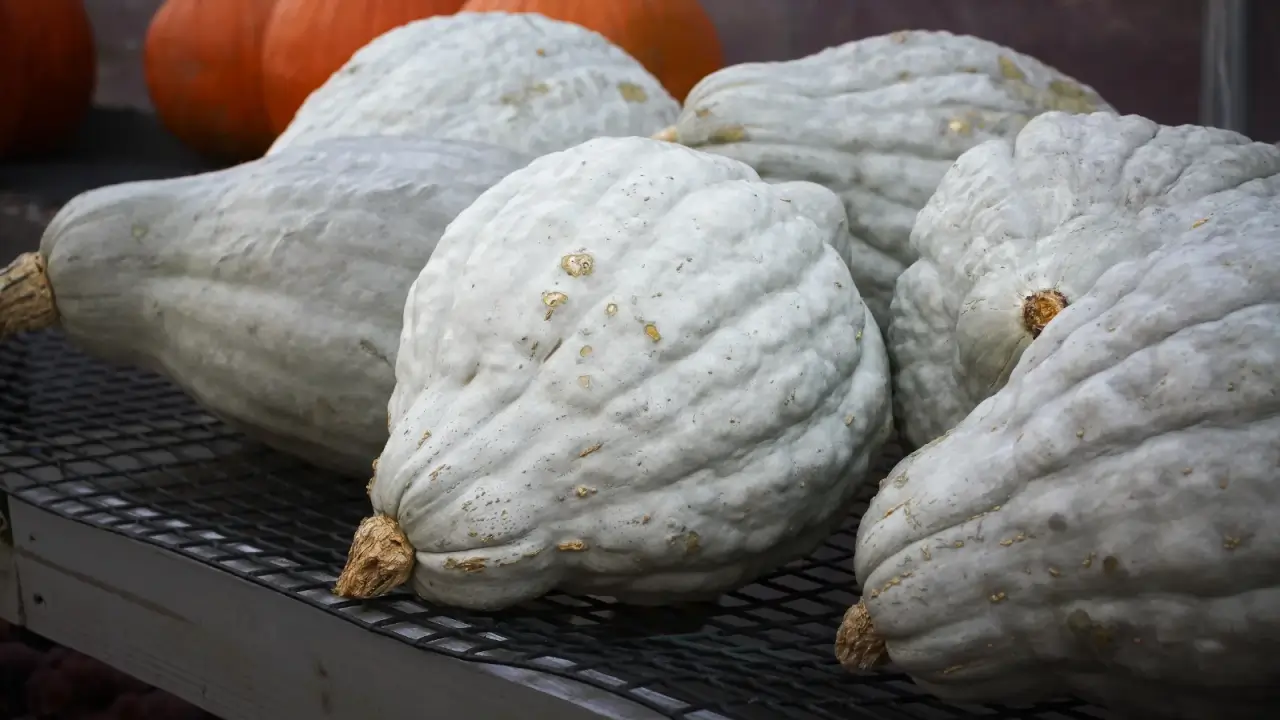
The famous blue ‘Hubbard’ is a large, pear-shaped fruit that takes about 110 days to grow to full maturity. It’s famous for its ability to last a long time in storage when cured properly. Its introduction to the Americas was in 1854. A breeder took the seeds from South America from a Ms. Hubbard, who is the namesake of this famous variety.
Blue ‘Hubbard’ is often touted as a good trap crop for farmers who want to grow more supple squashes and avoid the dreaded squash vine borer at the same time. Make room in your fields for these six to ten foot vines, and make room in your kitchen for up to 40-pound squash.
For a delicious cooking pumpkin with a similar blue hue, try ‘Jarrahdale‘. These deeply ribbed, blue pumpkins have a sweet, nutty flesh and make for great seasonal decor.
Waltham Butternut
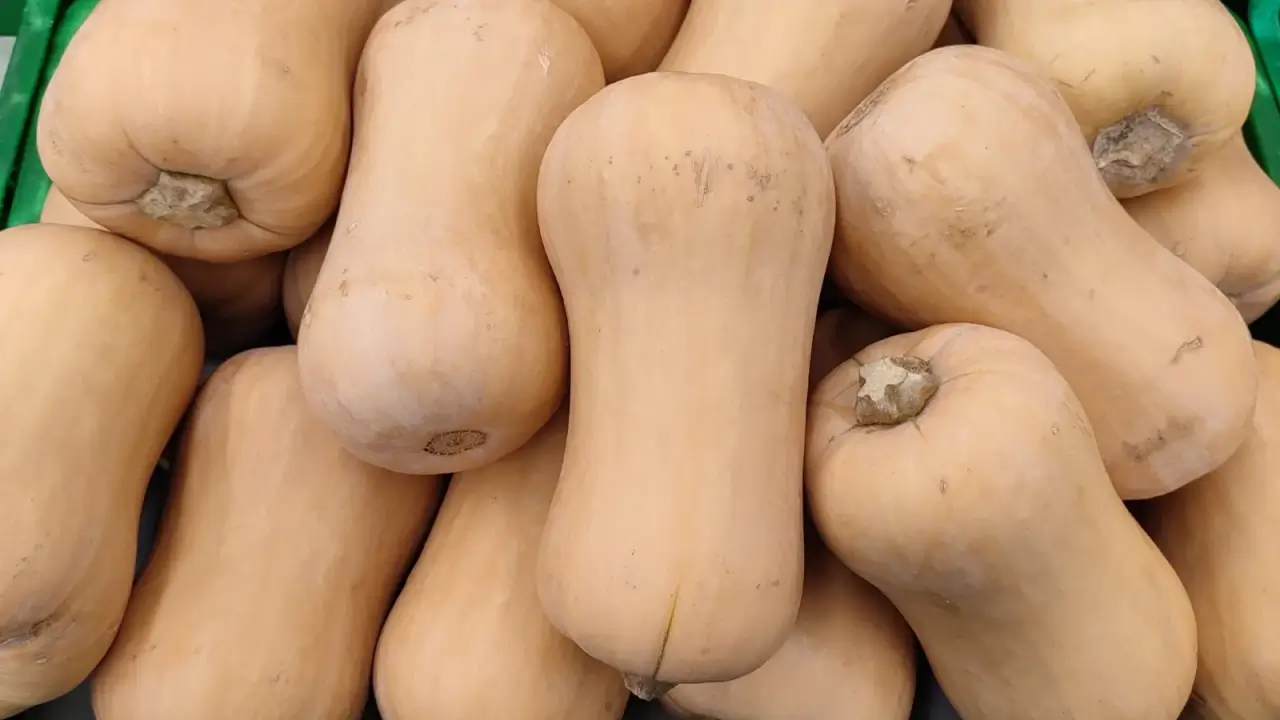
When it comes to butternut squash, ‘Waltham‘ is as solid as it gets. In 100 days, you’ll get four to five fruits per eight-foot vine. This one resists the squash vine borer, as the vines tend to be too narrow for the larvae. As a 1970s All-America Selections winner, you know the flavor will be on point.
Red Kuri
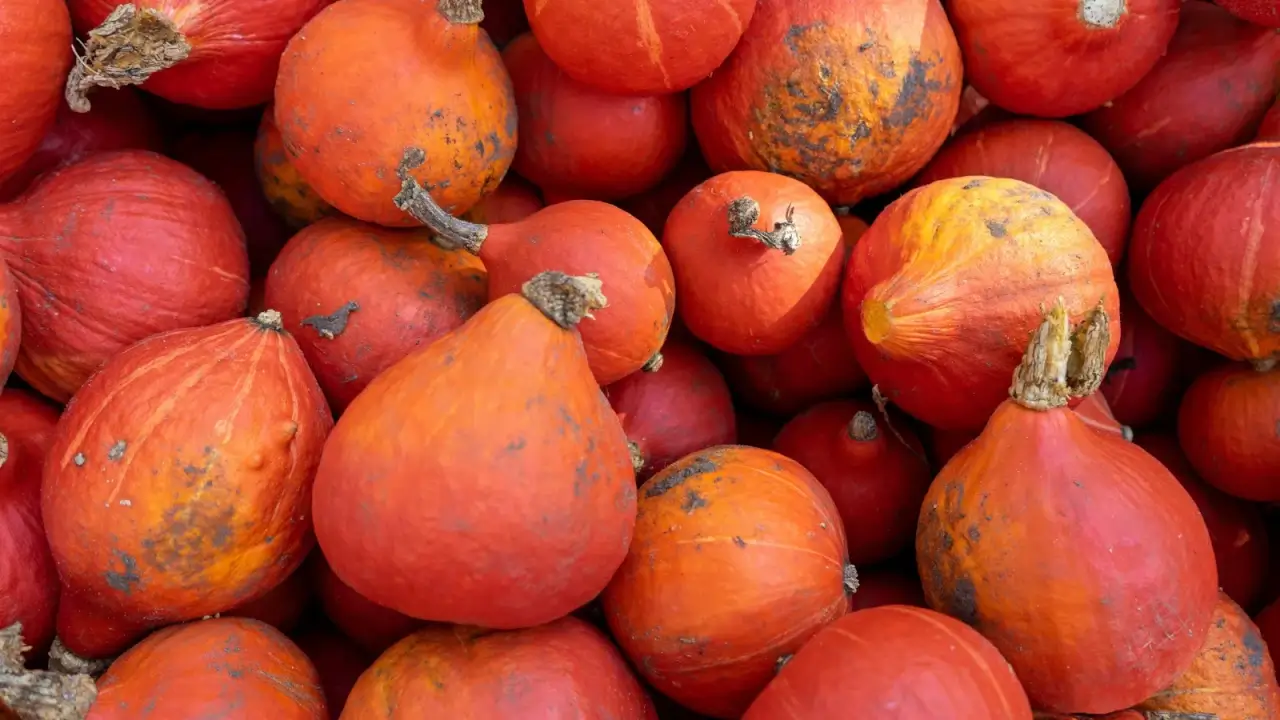
This reddish-orange squash is stout, with three to four-pound fruits that mature on four to six-foot vines. The teardrop shape and chestnut flavor make it an interesting option for selling and cooking. It’s sometimes called ‘Baby Red Hubbard’, ‘Orange Hokkaido’, and ‘Uchiki Kuri’.
If you forgot to grow pumpkins this year, ‘Red Kuri’ can stand in as a substitute. It’s a great choice for slicing, steaming, and enjoying. This one came all the way from Japan and was hybridized from a Hubbard.
Table Queen
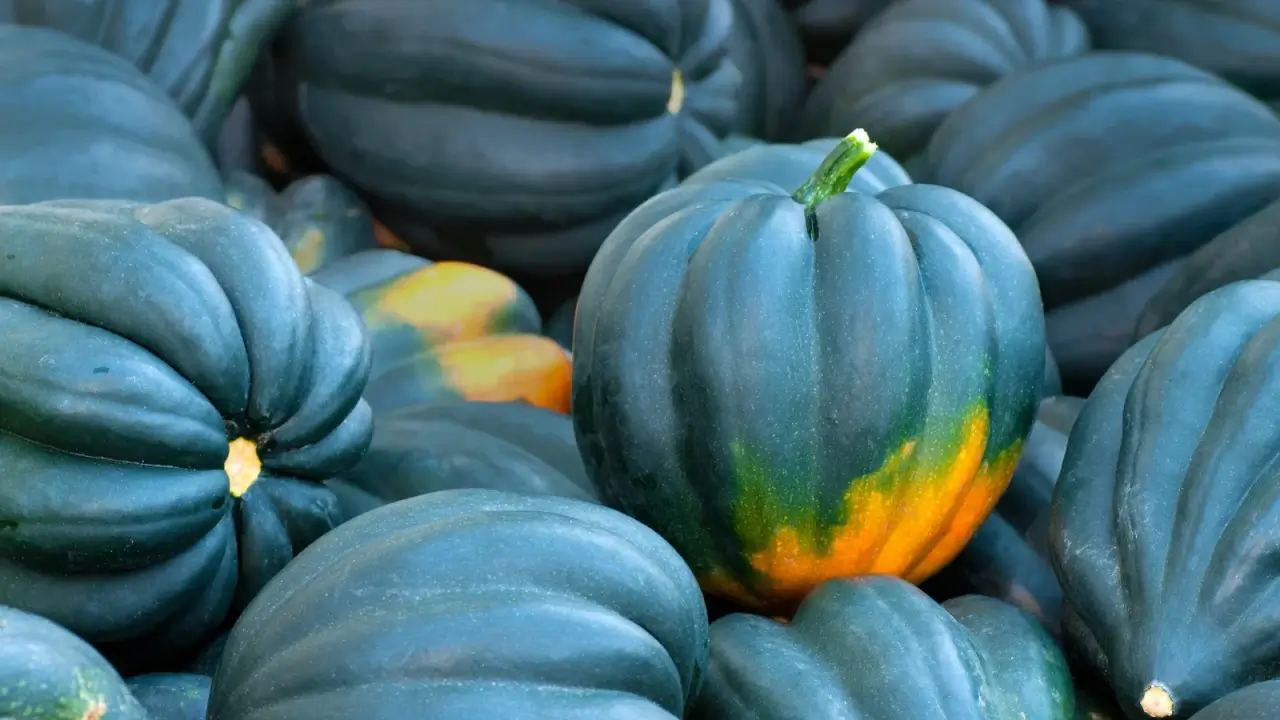
As an heirloom, this acorn variety is part of a long legacy. Its vines reach four to five feet, and they produce slightly elongated, ridged squash that are ready in about 80 days. Pick them when they’re six inches long for the best flavor.
The skin of this one typically stays dark green, contrasting highly with its light yellow flesh. Cut it in half and bake it with some butter, and you’re enjoying it the way nature intended.
Angel Hair
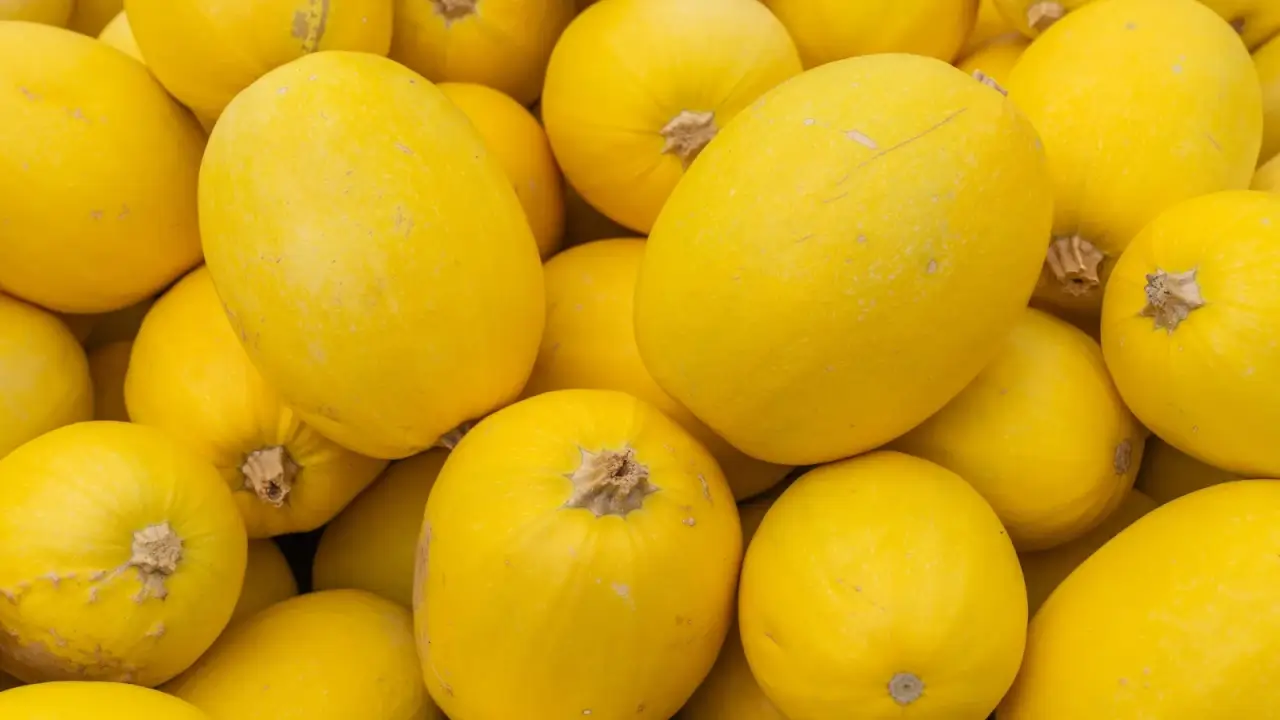
Spaghetti squash is a great alternative to pastas rich in refined carbohydrates. Nowadays, people go for this instead of spaghetti. On five to eight-foot vines, you get a whopping 15 fruits, each at one to two pounds apiece. ‘Angel Hair’ is one of the quicker varieties on this list, ready for harvesting within 88 days.
Recipe: Shredded Butternut Squash and Coconut
This flavorful side dish can be served hot or at room temperature.

