5 Benefits of Growing Shorter Corn
Short corn varieties are currently in development, changing the game for farmers. These smaller-stature plants offer several benefits, promoting higher resilience and yields, even on a small-scale.
5 Benefits of Growing Shorter Corn
Short corn varieties are currently in development, changing the game for farmers. These smaller-stature plants offer several benefits, promoting higher resilience and yields, even on a small-scale.
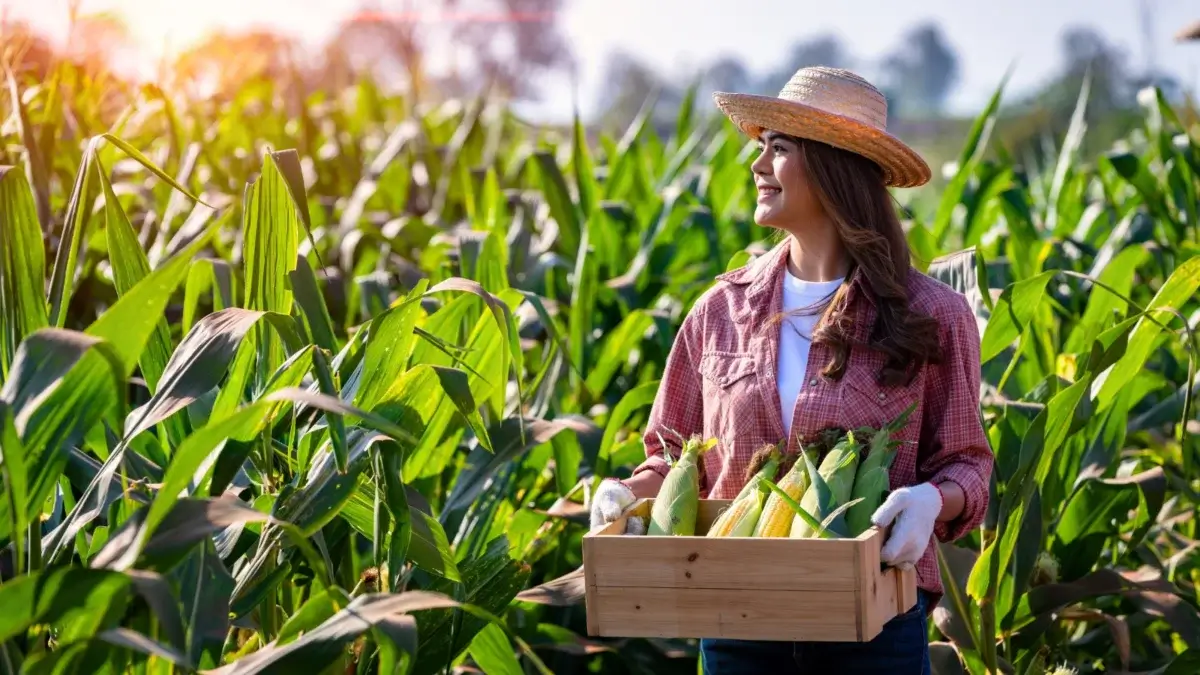
Weather events and latent environmental stressors are making it increasingly difficult to produce good yields of corn every year. With these added pressures, scientists are working hard to develop new varieties that continue to produce despite them.
One such development has been the genetic modification of corn plants to produce shorter varieties. Although they’re still in development, these smaller plants have proven highly beneficial for improving crop yields in various conditions.
As trials continue and more varieties are developed, it’s likely that shorter varieties will be the norm in certain regions. Since smaller farms can grow them on smaller plots and produce the same yields, it may be preferred across the board.
Short Variety Origins
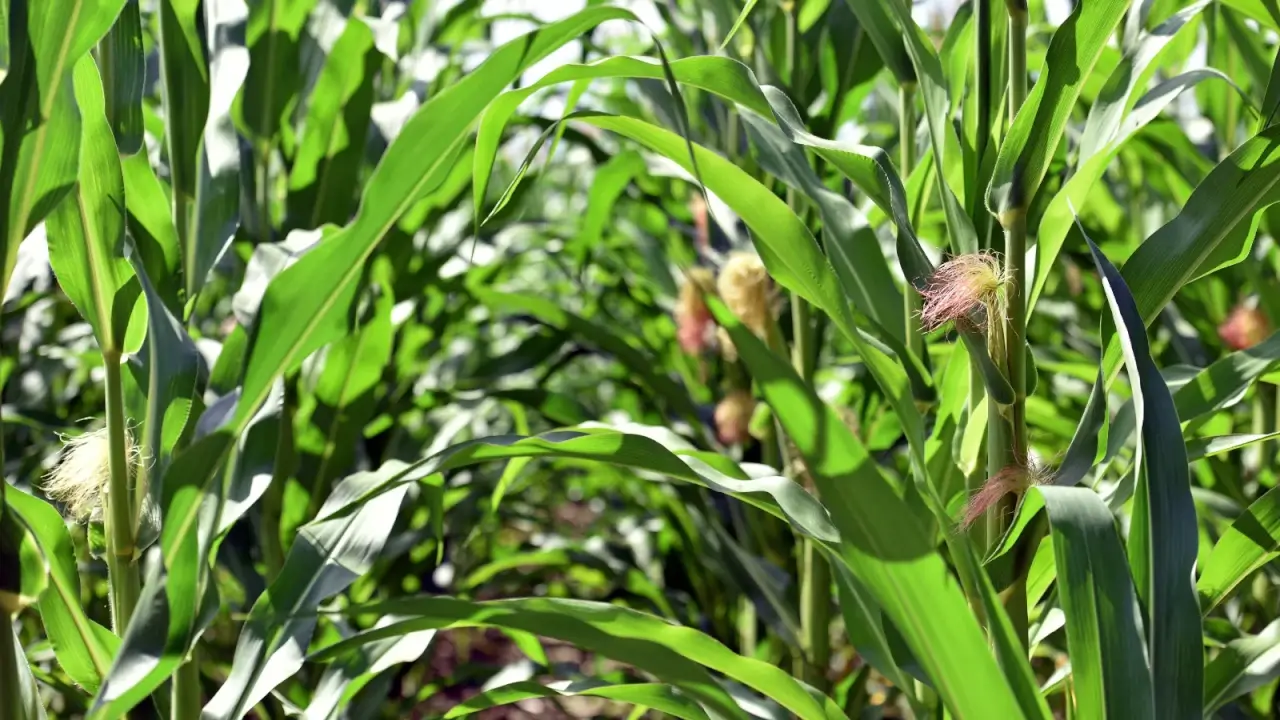
When a huge windstorm knocked out 16% of the corn produced in Idaho in 2020, scientists from Bayer, along with university crop geneticists and Stine Seed began genetic breeding of standard types.
With prior wind damage to tall stalks between 2001 and 2016 coming to 800,000 hectares, they decided to reduce corn stature to limit the damage done by winds. In trials that have been in play for a few years now, scientists removed genes that engender height in plants, while keeping those that promote higher production, leaf density, and kernel formation.
This resulted in the short varieties that are in trials among 300 farms today. These show promise, with high potential for similar and sometimes increased yields, as well as flexibility in different environments.
Benefits of Shorter Corn
The lower height of these new varieties has benefits that funnel into higher yields. When these make it to the commercial realm, farmers who skipped this popular crop due to the space needed to grow it might have a change of heart.
Better Growth and Pollination
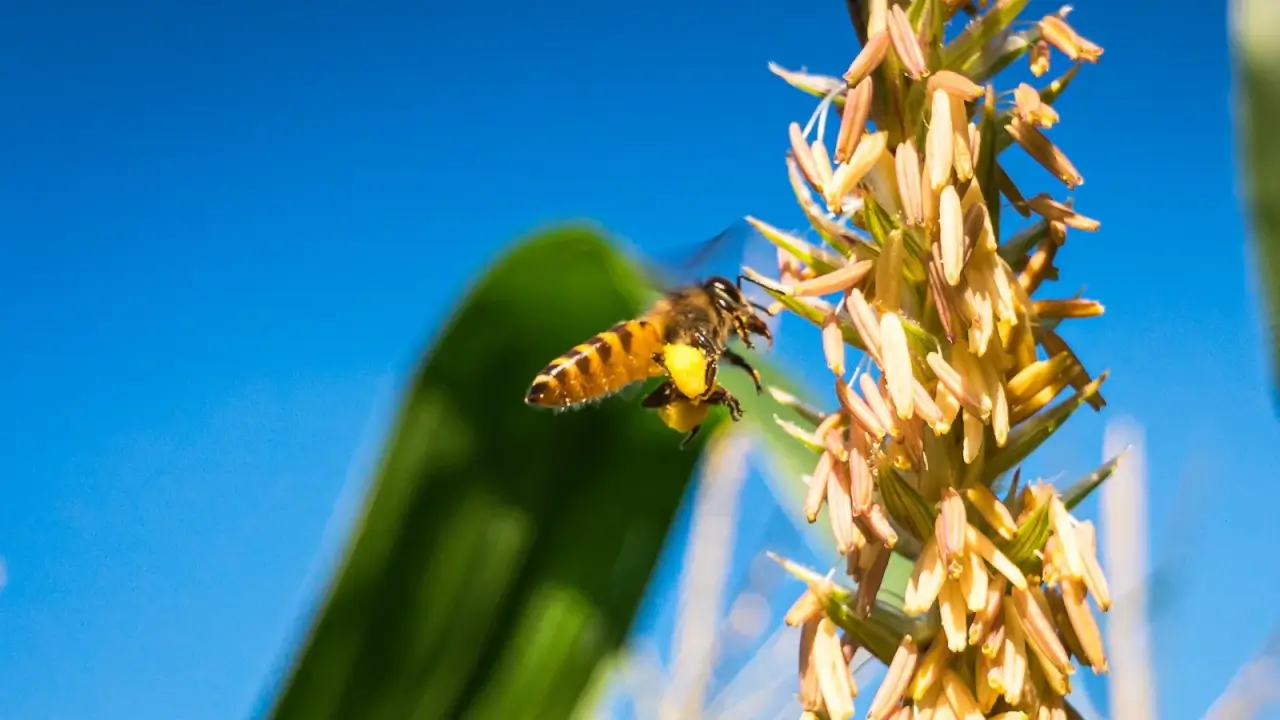
Short corn has a dense stature, with decreased space between leaf internodes (where the leaves grow from the stems). This makes silks grow closer together, giving them an easier time taking on pollen from nearby plants. The distance needed to blow pollen from silk to silk is much less.
Even though the genes for the height of more standard varieties isn’t present, the plant’s growth rate remains the same. With more supple leaves in shorter succession, there is an increased chance for them to take in sunlight, resulting in better growth.
Stronger Stalks
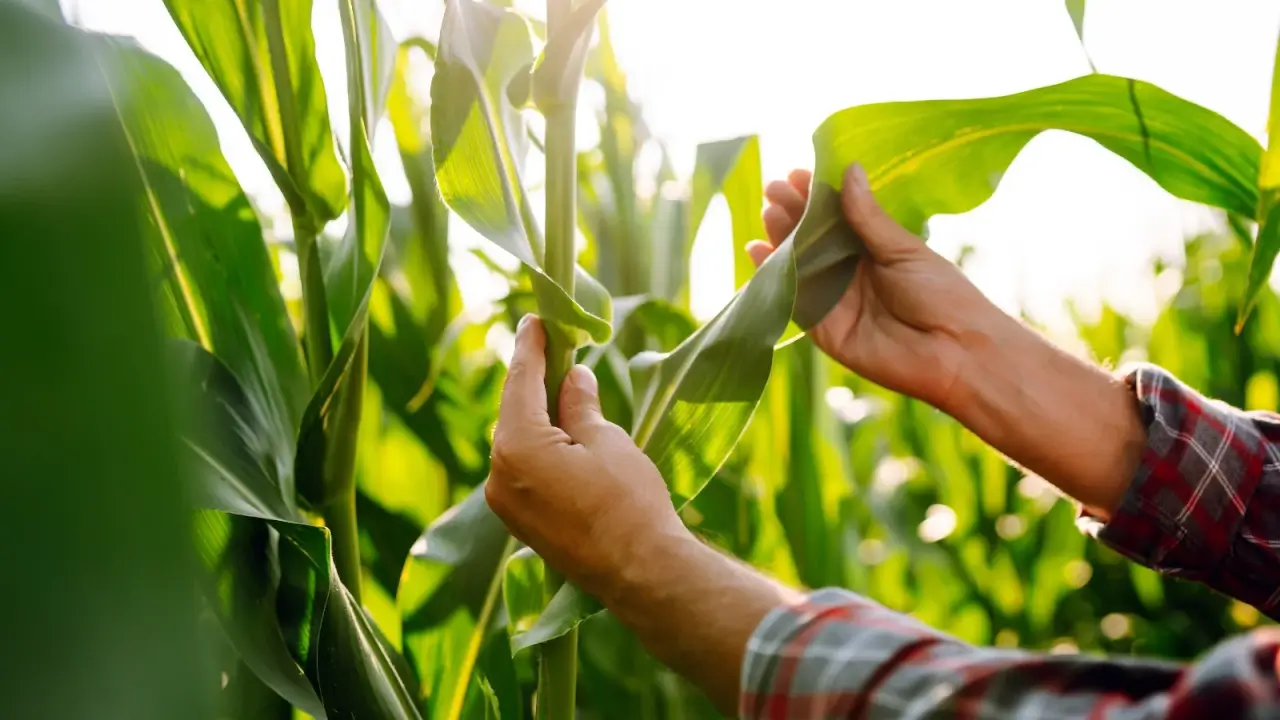
With better growth and less height, stalks are denser and stronger than standard corn. Anchoring into the soil increases with higher stalk density. The stem transports nutrients and water from the soil to other parts of the plant, producing vigorous cobs.
When normal stalks are weighed down by cobs or rain, the stalks of shorter types stay upright and resist lodging. This circumvents a common problem in dense plantings of standard varieties. Upright stalks mean better disease resistance, as those that fall and lay in the field rot and harbor bacteria and fungi.
Easier Access

For farmers who treat their crops with pesticides, a shorter stature eliminates the need for aerial applications. These types of treatments come with high risks to wildlife and to adjacent farms, including but not limited to overspray and danger to local insects, which are a farm’s initial defense against pests.
Instead, farmers can walk among the stalks and apply by hand or via a tractor. Applying pesticides this way offers more control, and the ability to target pests more efficiently, limiting risks to human and non-human neighbors.
Denser Plantings
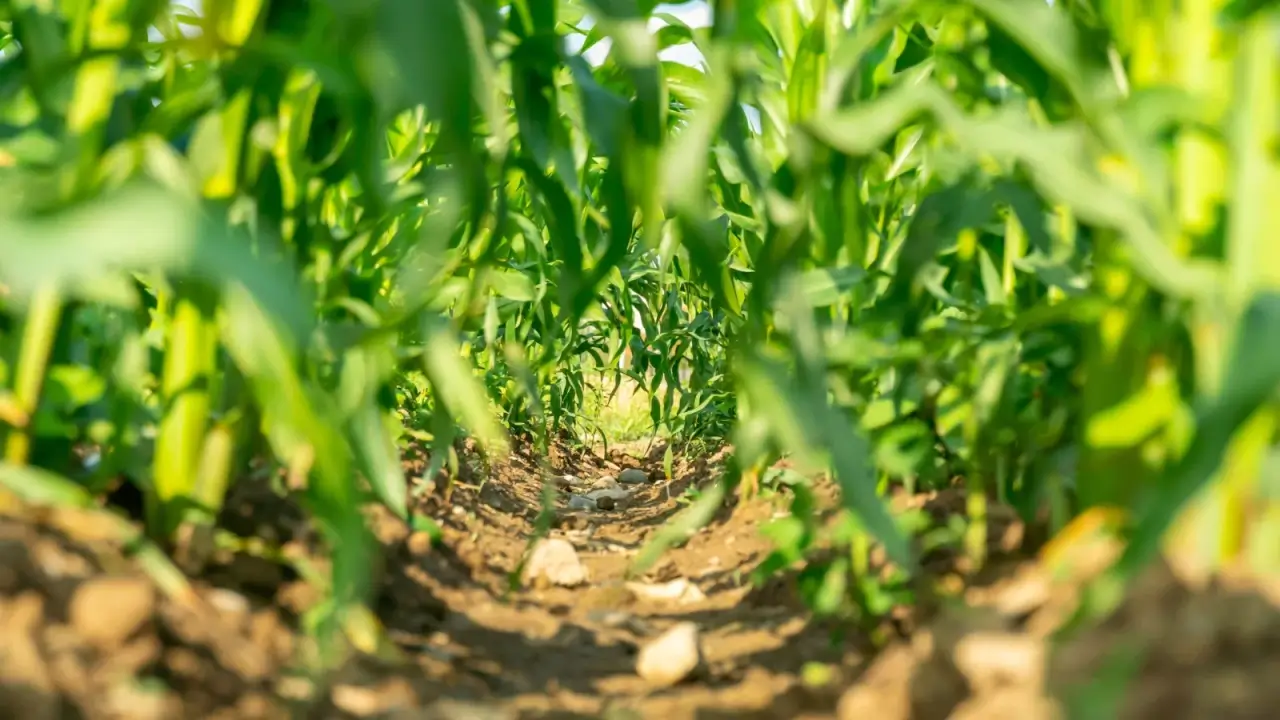
Smaller farms may avoid growing corn altogether due to the amount of land it takes to grow it. However, with short corn, intensive planting is possible. That means farms with a mid-sized range can opt for corn in their upcoming season. Farms that already grow this crop can grow more.
In these densely planted areas, better growth and structure contribute to higher disease resistance. Sillage planters get a lot out of these increased densities, as there is much more material to feed to livestock. Spacing that would be applied to the usual sillage varieties can be increased. The quality of sillage is improved by more productive growth, too.
Better Adaptability
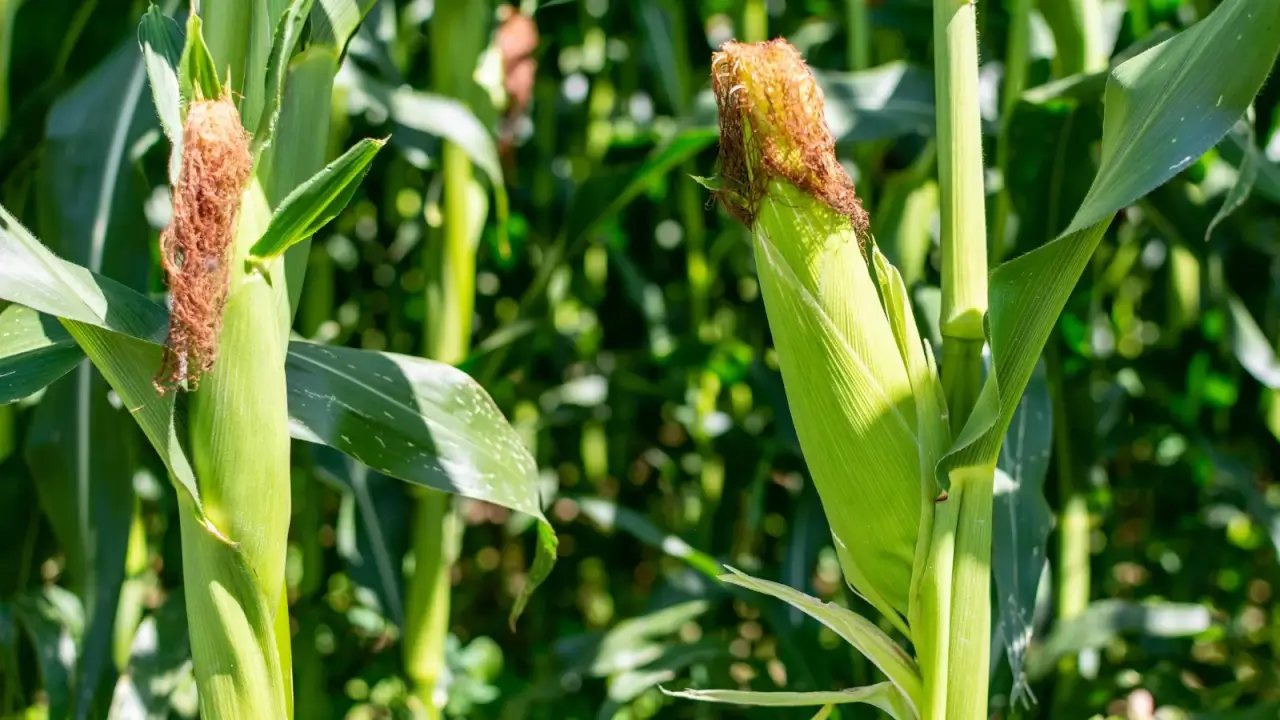
Shorter varieties adapt to environmental pressures, which is perhaps the most beneficial aspect of growing them. High winds, less fertile soils, and later seasons are all considerations for farmers. Having a short variety that can handle these pressures is incredibly important.
While varieties are limited at this time, there are a few available on the market. Touch base with your local extension office to get started.
Growing Corn in the Desert, No Irrigation Required
The surreal sight of squash, melons and corn sprouting from the sandy ground reflects an ancient farming technique that’s newly relevant.

