How Sustainable Farming Delivers Safer Meat for Consumers
Sustainable meat is heralded for its increased animal welfare and smaller impact on the environment. But can it also be safer for consumers?
How Sustainable Farming Delivers Safer Meat for Consumers
Sustainable meat is heralded for its increased animal welfare and smaller impact on the environment. But can it also be safer for consumers?
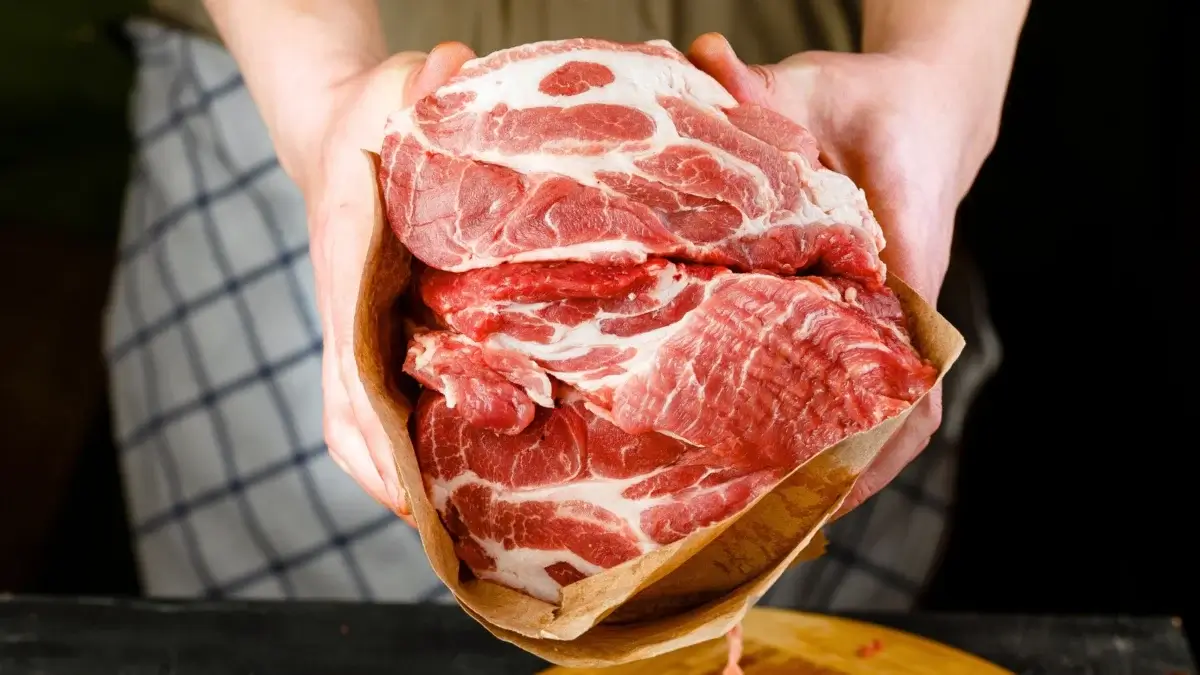
When it comes to eating meat, there are many variables to consider. We often question whether we want to consume meat and, if so, whether we want to have steak, chicken, or pork chops for dinner. But there’s also the question of how the animals were raised and how this impacts the environment and food safety.
From an ethical standpoint, many people are interested in pasture-raised hogs and grass-fed beef. Animals have access to fresh air, space, and the ability to express natural behaviors. They graze on ryegrass and alfalfa rather than being fed corn and soybeans. However, research also shows that these sustainable, safer meats are also better for consumer health.
The Problem with Antimicrobial Resistance

According to the Centers for Disease Control and Prevention, 2.8 million antimicrobial-resistant (AR) infections occur each year in the United States. These infections can’t be treated with normal antibiotics, so they pose a bigger threat to infected individuals. 35,000 people die from these infections in the US alone.
AR is also a big burden on our healthcare system. One study estimated that the cost to treat the six common AR pathogens was more than $4.6 billion per year. It’s important to note that not all of these pathogens come from the food we consume. Some, like MRSA, enter our bodies when we’re recovering from surgery or weakened after illness, and others, like tuberculosis, spread through the air.
The moral of the story? These pathogens pose a serious threat to both the health of our bodies and our healthcare system as a whole.
The Safety Problem with Conventional Meat

Despite what idyllic branding tells us, much of the meat we consume is raised in tight indoor conditions rather than green pastures. Confined animal feeding operations (CAFOs) crowd animals together indoors, where they are fed until they are ready for slaughter. This industrial system is often known as a factory farm.
Since the animals are crowded together in often less than ideal conditions, disease can spread quickly. Farmers attempt to stay on top of this by putting small doses of antibiotics into animal feed. While many small-scale farmers give their animals antibiotics when infection strikes, CAFOs utilize antibiotics in a preventative way.
This widespread, non-therapeutic use of antibiotics contributes significantly to the rise of AR bacteria. When bacteria are constantly exposed to antibiotics, the susceptible strains die off, but the resistant ones survive and multiply. Over time, these “superbugs” can become dominant in the animal’s gut, on their skin, and in the surrounding environment.
These resistant bacteria don’t always stay on the farm. They can spread through meat during slaughter and processing, through manure applied to fields, and even through the air or water. Once they reach humans—whether through food, runoff of manure, or infected air—they can cause infections that are harder, and sometimes impossible, to treat with standard antibiotics.
Antibiotics Aren’t Always a Necessity

Of course, CAFOs aren’t the only way to raise animals. Some farmers keep their animals on green pastures that resemble the farms that grace the labels on packages of ground beef and pork shoulders. The animals are given space to roam and are fed ryegrass, alfalfa, and other pasture species rather than corn and soybeans.
Some farmers who raise antibiotic-free meat have noticed less disease than when they raised animals in crowded conditions. And when the occasional animal does get sick? They administer antibiotics that are more effective than those used in conventional operations.
This lower use of antibiotics means this sustainable meat is also safer for consumers. One group of researchers collected samples of various types of ground beef from grocery stores and tested them for bacteria. Some of these products were from cattle conventionally raised and finished on grain in feedlots, some were antibiotic-free, and others were grass-fed.
Their findings showed that the sustainably-raised meat (products that were labeled organic, antibiotic-free, or grass-fed) contained lower levels of bacteria, as well as superbugs that are resistant to at least three classes of antibiotics. The grass-fed products contained the lowest levels of these superbugs.
It’s important to note that these samples show general trends, and it’s possible for conventionally-raised meat to be free of AR pathogens and for these same pathogens to be present in grass-fed meat. While no method is foolproof, the data indicates safer outcomes with sustainable practices.
So, Is Sustainable Meat Really Safer?

From a food safety perspective, sustainable meat has clear advantages. Animals are raised in lower-stress environments with more space and less routine antibiotic use, which reduces the risk of AR bacteria entering the food supply. The decentralized, transparent supply chains also allow for better tracking, less risk of cross-contamination, and more trust between farmers and consumers.
It’s important to note that no system is perfect, and food safety also depends on proper handling and processing. But when you look at the systems as a whole, sustainable meats are often safer for consumers.
Inside a Slaughterhouse: The Human Cost of Your Meat
It’s dangerous work, both physically and mentally. But it needs to be done. Here’s what it’s really like to work at a meat-processing facility.

