7 Perennial Crops to Plant in May
Looking for perennials for agroforestry plantings, swales, or windbreaks? Plant these edible perennials in May and enjoy nuts, fruits, and delicious veggies for years to come.
7 Perennial Crops to Plant in May
Looking for perennials for agroforestry plantings, swales, or windbreaks? Plant these edible perennials in May and enjoy nuts, fruits, and delicious veggies for years to come.
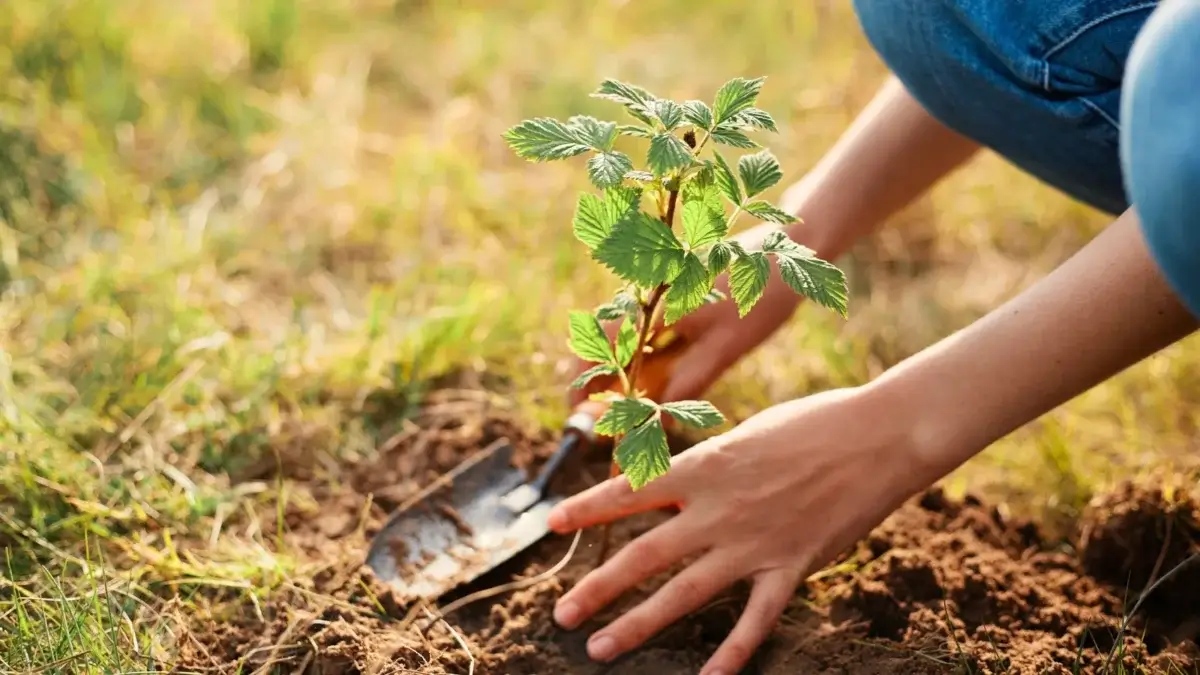
Annual crops, such as tomatoes, corn, and lettuce, cover a significant portion of our plates and farmland acres. However, the constant work of planting and harvesting can be time-consuming and tiring. Perennials allow you to plant once and enjoy multiple harvests in the following years.
Although these plants often take multiple years to start producing their edible components and cost more upfront than annuals, they fill gaps in the ecosystem, garden, and kitchen.
You can plant many perennials in the spring or fall, especially if you live in a mild climate. Bare-root perennials like to get in the ground in the early spring, but you can transplant potted plants later in the spring. If you’re adding frost-sensitive crops or live in a cooler growing zone, May is often the ideal time to plant the following perennial crops.
Asparagus

A handful of freshly picked asparagus spears is one of the tell-tale signs of spring. While these perennials won’t produce a harvestable crop in their first year, planting them in May will provide you with delicious spears a year or two later. Healthy plants can produce spears for over a month and live for more than twenty years.
You can grow asparagus from seed, transplants, or crowns; crowns are the preferred method if you want to harvest as soon as possible. Look for one-year-old crowns and plant them when the soil has warmed to 60°F. It’s important to choose a location with full sun and well-draining soil and plant the crowns in a furrow that you backfill as the plants grow.
Rhubarb

Rhubarb’s bright pink and tart stalks add a refreshing flavor to spring salads and pies. You can grow these perennials from seeds or crowns; crowns are more expensive but mature faster. If you plant rhubarb in the spring, the ideal planting time varies depending on the starting material.
You can start seeds indoors six to eight weeks before your last frost, then plant the seedlings outdoors after the last spring frost. That means May is the ideal time for planting in many areas. This month is too late to plant the crowns in warmer climates, but early May can be a good time if you live in zones three and four.
Chives

Common garden alliums, such as bulb onions and scallions, are annuals that produce their harvestable product in a single season. Once you pick their pungent greens and roots, they’re gone from the garden. Chives, on the other hand, continue to produce fragrant green leaves for multiple years. Plus, the bright purple flowers make a flavorful garnish that helps dishes pop.
Planting chives into the garden in early May gives the plants time to establish before intense summer heat arrives. If you want to start your plants from seed, plant them two months earlier, then transplant the seedlings into the garden.
Raspberries

Due to their highly perishable nature, raspberries are some of the most difficult fruits to transport. That means homegrown raspberries are extra delicious and can bring in top dollar at markets. Whether you want to grow a single raspberry plant in your backyard or a quarter of an acre for market, these canes are some of the most rewarding perennials to grow.
When you plant raspberries, you can start with bare root or potted plants. You should plant bare-root plants when they’re still dormant, so May is often too late to get them in the ground. However, this month is a great time for transplanting potted raspberries.
Rosemary

A beloved culinary and medicinal herb, rosemary thrives in many gardens. Although the plant may not always survive the winter in cold climates, it reliably returns in zones seven and above. Plus, you can grow herbs in protected areas or containers if you live in a colder area.
Spring is the best time to plant this tender woody herb. Waiting until the danger of frost has passed will give the plants the best chance at success, so May is often an ideal time for planting. Make sure to choose a location with full sun and well-draining soil before planting.
Elderberry

These native shrubs produce white flowers and deep purple berries, which lend themselves to numerous culinary applications. You can use the fragrant flowers to create elderflower liqueur and cook the berries to make a medicinal elderberry syrup. Since the shrubs require little pruning and care, they’re an excellent choice for low-maintenance gardens and agroforestry plantings.
The plants can grow well in both full sun and partial shade, making them suitable for open fields and dappled understories. Just make sure the plants have well-draining soil that remains moderately moist throughout the growing season.
Hazelnut

Another great crop for agroforestry plantings, hazelnuts produce fatty nuts that can be harvested for human consumption or left for livestock and/or wildlife. Many of the hazelnuts enjoyed by humans are European hazelnuts (Corylus avellana), but the American hazelnut (Corylus americana) is native to the eastern US, where it can thrive.
These plants grow as large shrubs or small trees, so they’re also a great choice for windbreaks. They can tolerate partial shade and full sun, but they grow best in well-draining soil. Planting potted hazelnuts in May will allow the crops to establish well before intense heat arrives, but earlier planting is advisable in warm climates.
Plant These 10 Perennial Vegetables and Reap Harvests Year After Year
Perfect for the lazy Earth-lover.

