17 Vegetables That Can Survive Winter Frost and Snow
Frost and snow don’t have to shut down your garden. These 17 cold-hardy vegetables can keep you harvesting well into winter. All you need is a little planning and protection.
17 Vegetables That Can Survive Winter Frost and Snow
Frost and snow don’t have to shut down your garden. These 17 cold-hardy vegetables can keep you harvesting well into winter. All you need is a little planning and protection.
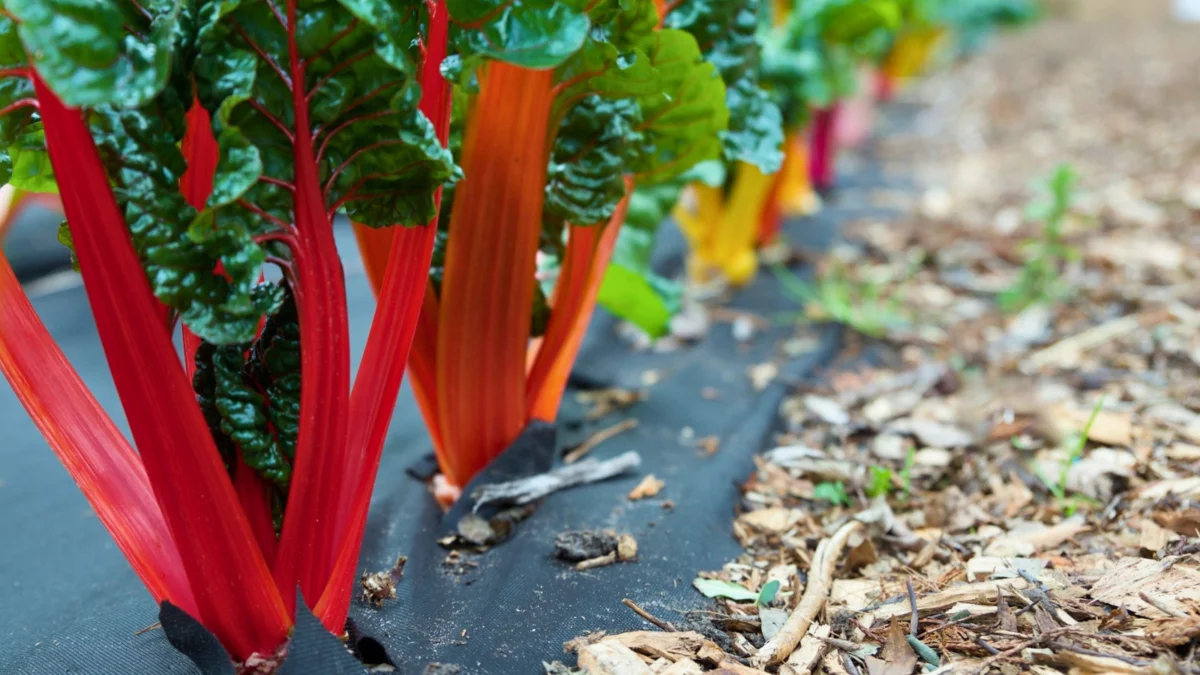
When snow starts to fall, it doesn’t have to mean the end of your vegetable harvest. You can still pick kale, cut Brussels sprouts from the stalk, and dig carrots from your garden beds if you mulched before the ground froze.
Obviously, this is region dependent. Someone gardening in the winter in southern California is going to have a different experience than someone in Denver, Colorado. But as long as you plan ahead of time, winter doesn’t have to be a time of year that’s completely devoid of harvesting some of your favorite vegetables.
You’ll want to start your winter vegetables early enough so they’ll have time to get established before growth slows down due to shorter days. You may even be able to harvest salad greens well into winter if you grow them in a cold frame or low tunnel!
Kale
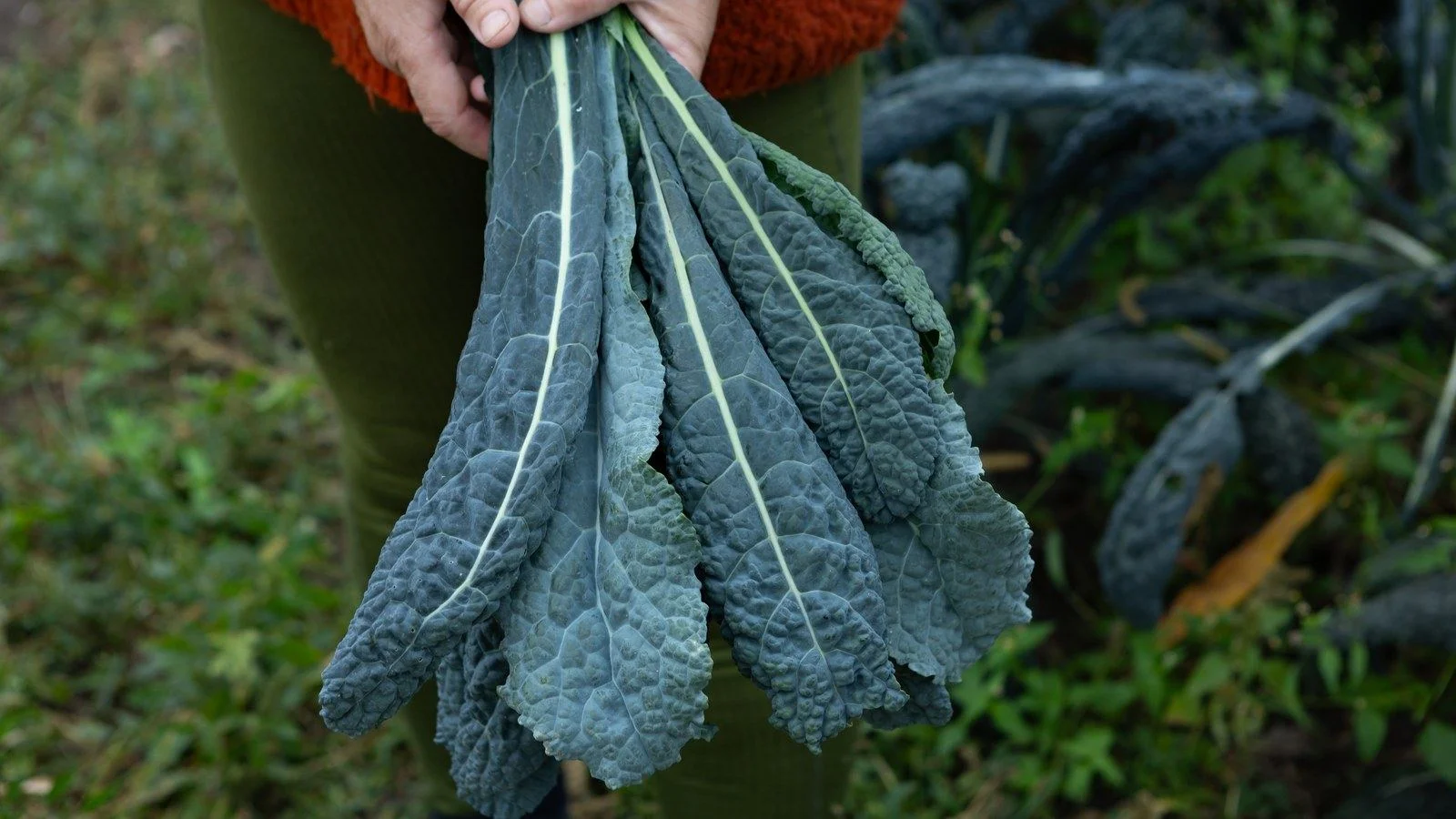
If you’ve never grown vegetables into the winter, start with kale. Kale can take light snowfall, and its leaves often get sweeter after being exposed to frost.
Sow in late summer or set out transplants in early fall, giving the plants time to put on a good set of leaves before growth slows. Harvest kale leaves as needed, starting with the outside leaves and leaving the center of the plant intact.
In colder regions, consider growing kale under a low tunnel to protect the leaves and make them easier to access after it snows.
Brussels Sprouts
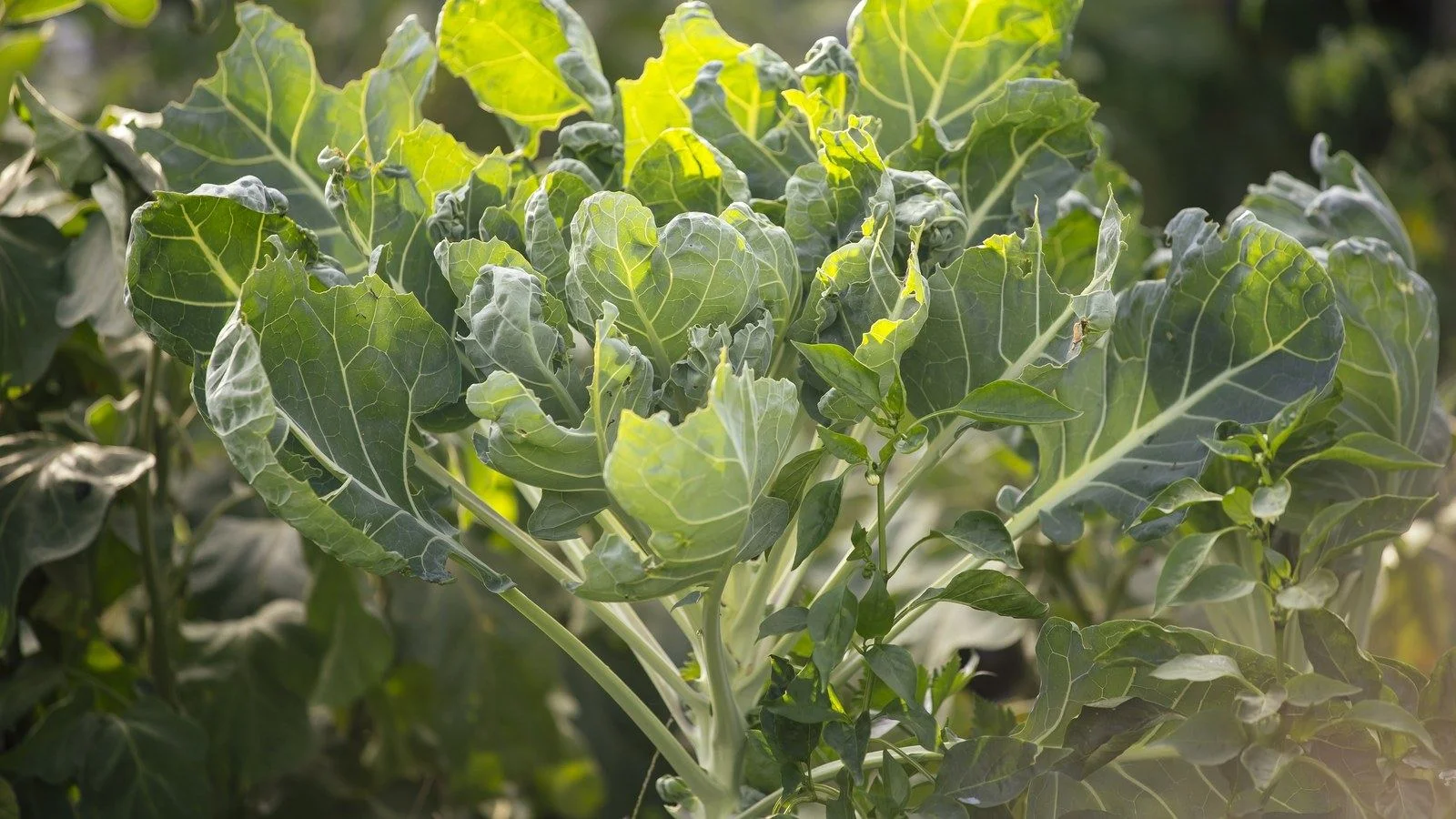
Start brussels sprouts in late spring or early summer, depending on variety and region. Like many vegetables that you can grow in winter, it’s important to start brussels sprouts early enough so they have plenty of time to develop before growth slows down with the shorter days of late fall and winter.
Harvest brussels sprouts starting with the firm sprouts at the bottom of the plant, leaving the smaller sprouts higher up on the plant to keep growing.
Like kale, brussels sprouts can actually improve in flavor after frost exposure, so it’s OK to leave the plants in the ground, well into the winter. If a long stretch of hard freezes is predicted, harvest brussels sprout stalks and bring them indoors.
Carrots
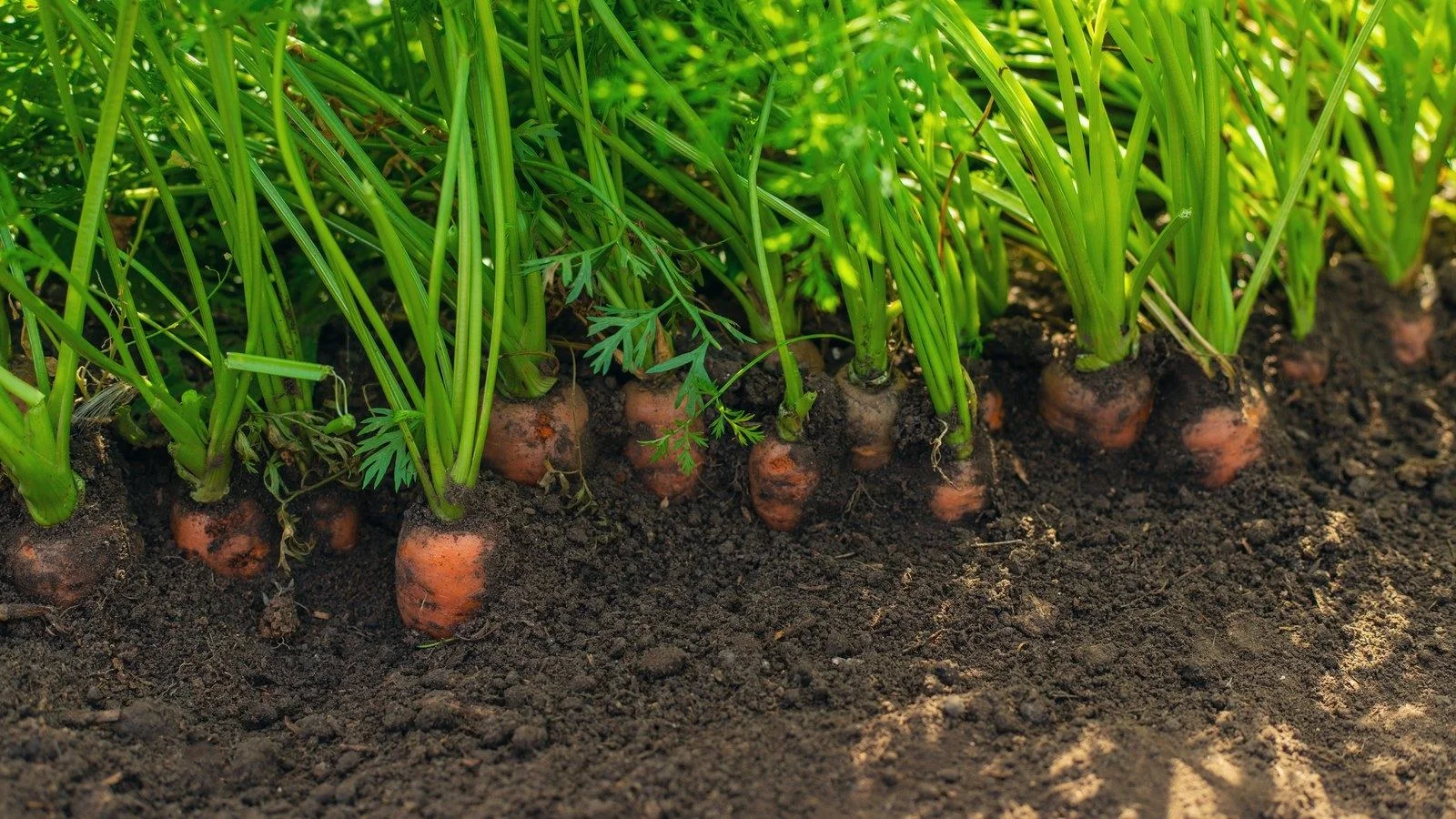
Carrots are another great vegetable for harvesting into winter. The carrot tops may die back after a freeze, but the carrots themselves can survive quite well in the ground, as long as the ground doesn’t freeze solid.
Direct-sow in summer, allowing enough time for the carrots to reach full size before growth slows. Mark where your carrots are planted so you’ll be able to find them after it snows. If you cover them with a layer of mulch, pull it back to dig what you need, then replace it.
Leeks
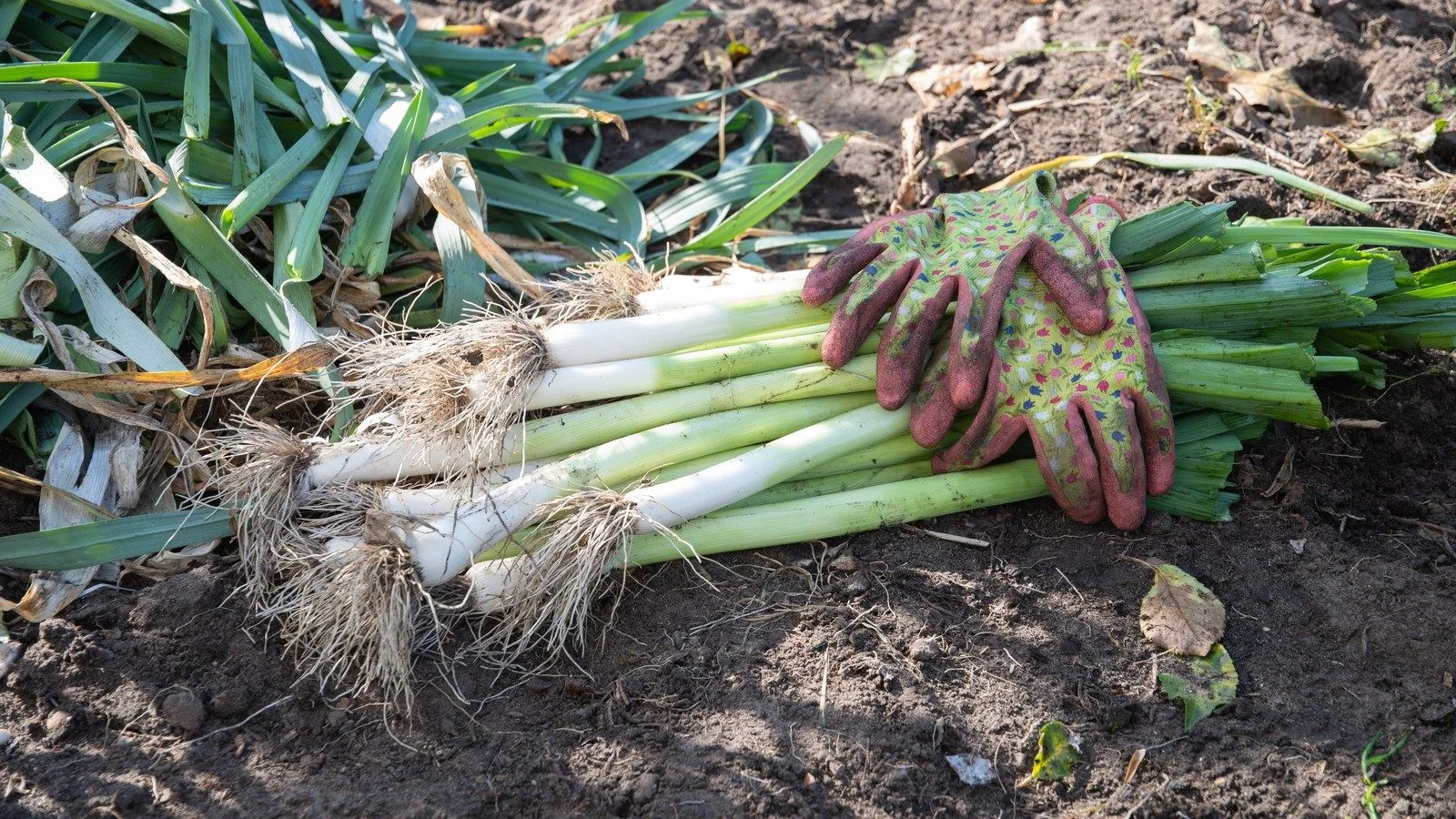
Leeks are another great vegetable to leave in the ground over winter. Like carrots, leeks can stay in the ground during the winter if you cover them with a thick layer of mulch before the ground freezes.
Choose a winter-hardy variety of leek to grow. Hardier leeks have broader, shorter shanks and will hold well into winter in milder regions depending on your region.
Start them in spring if you want to harvest them in fall and winter. Harvest leeks as needed by loosening the soil around them with a garden fork so you don’t break the leek.
Spinach
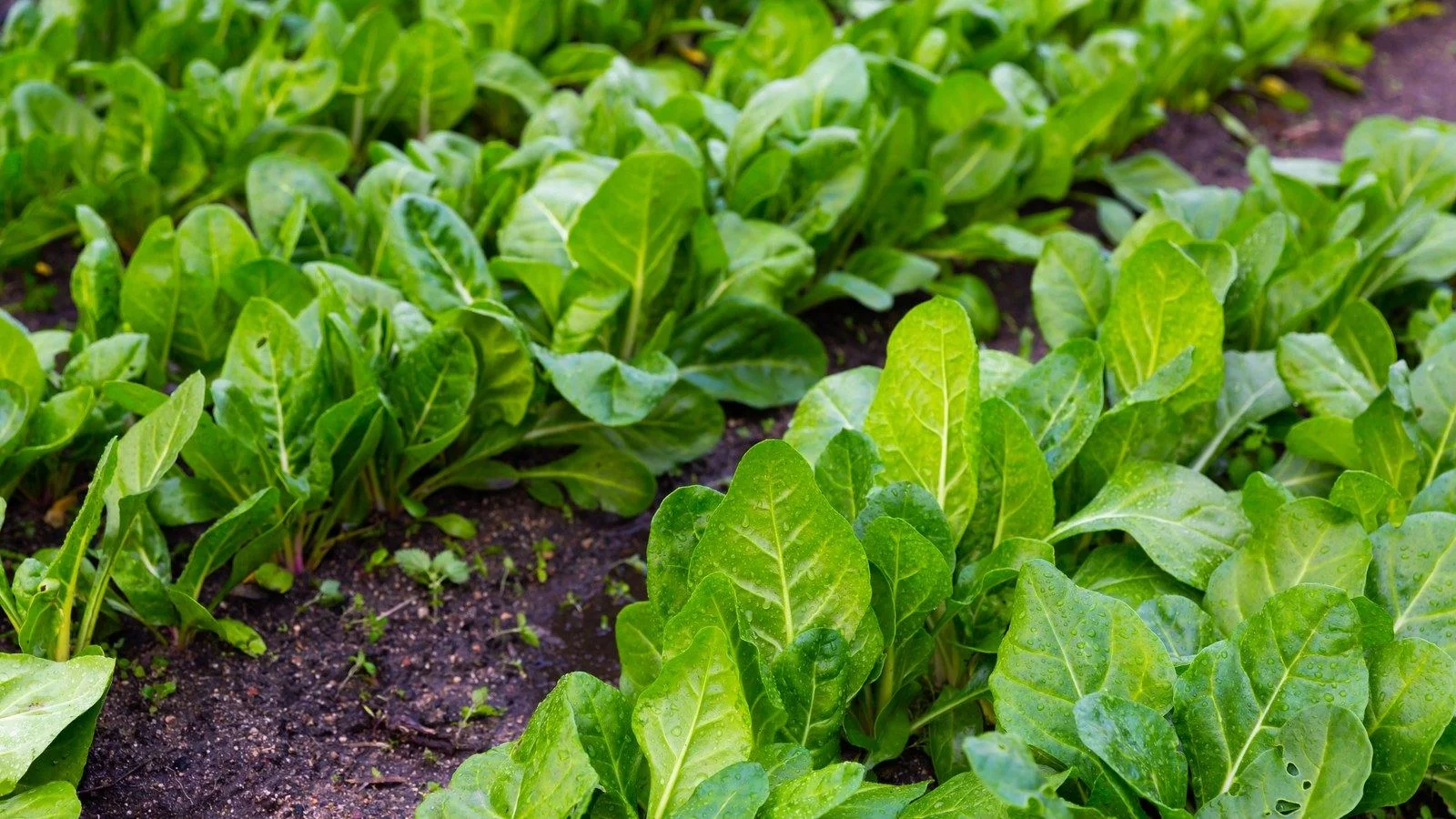
Spinach is another great winter option. You can harvest spinach leaves as needed over winter, especially if you’re growing spinach under cover (like in a cold frame or low tunnel). This will keep snow off the spinach and make it easier to access after a storm.
Choose a cold-hardy variety of spinach and start it in late summer or early fall so it has time to get established before the days start to get short.
Harvest spinach after any frozen leaves thaw out. Start with the larger outside spinach leaves and leave the center of the plant to continue growing as the days start getting longer again.
Collards
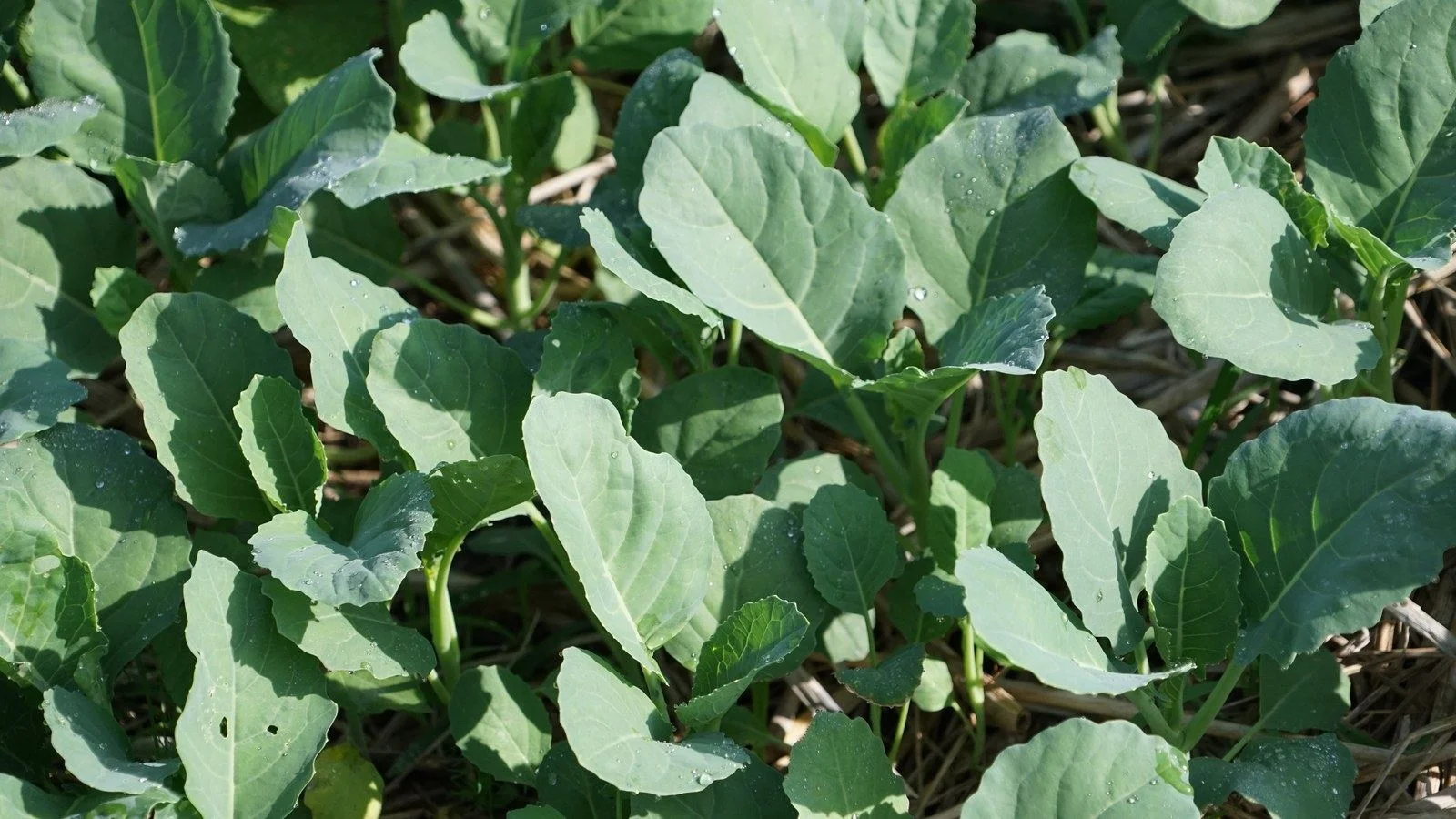
Collards are a cold-hardy vegetable that can withstand frost and can be harvested over a long period of time, especially in areas with mild winters.
Harvest collards as needed, starting with the leaves at the bottom of the plant (they’ll be ready before the smaller leaves in the center).
Set out collard transplants in late summer so they have time to get established before cold weather hits. Keep a supported row cover on hand to protect collards during particularly cold snaps. If you see bigger leaves on collards and a long stretch of cold weather is in the forecast, harvest before the cold weather hits.
Cabbage
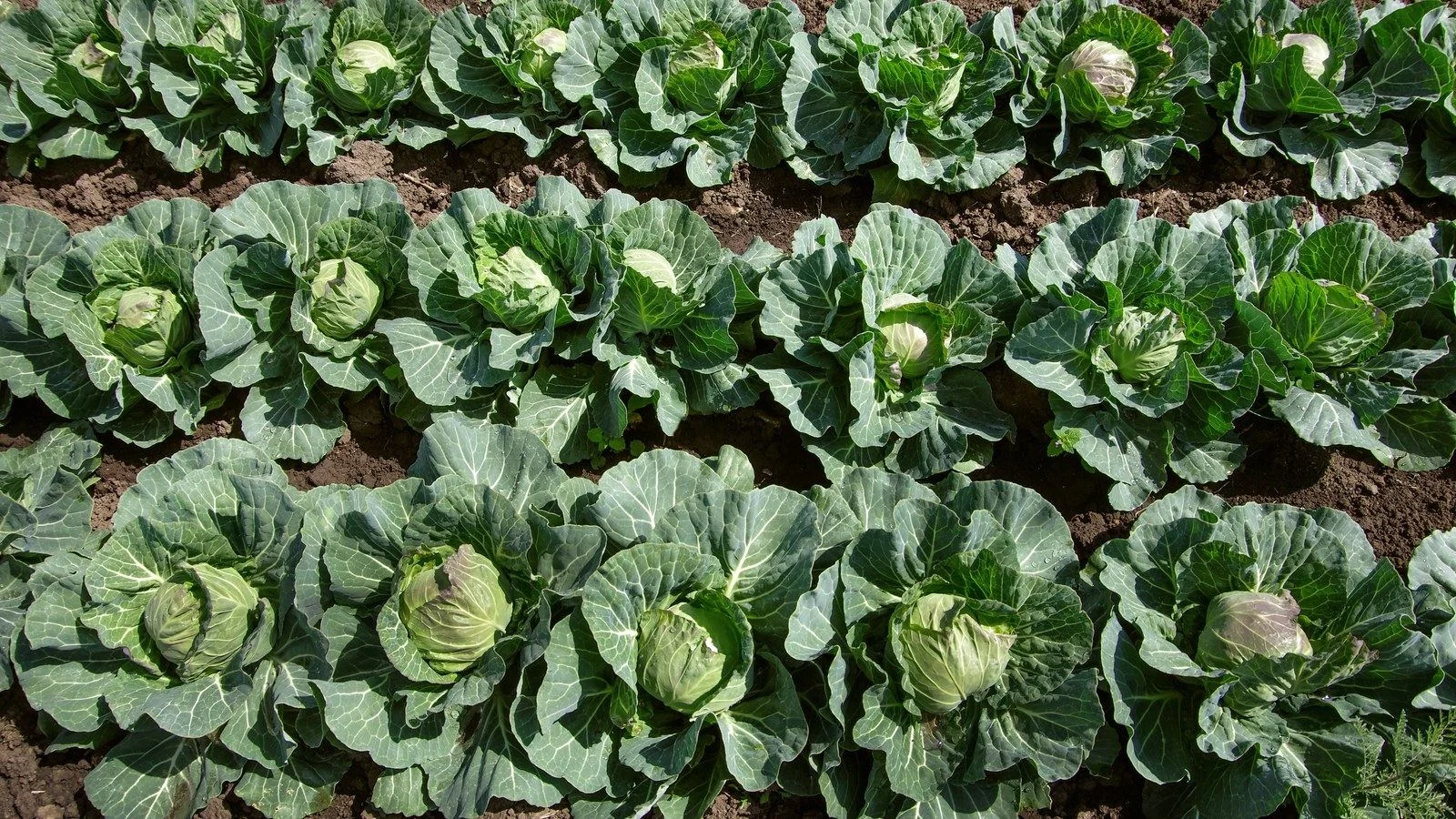
Cabbage is one of my favorite frost-tolerant vegetables. Cabbage heads can stay in the ground through light frost. Choose a late variety of cabbage and use the days to maturity listed on the seed packet to figure out when to plant (working backward from the average date of first frost in fall in your area).
Check cabbage heads periodically by gently squeezing them. When they’re firm, they’re ready to harvest. Harvest cabbage heads as needed (especially if you have a lot of cabbage ready at the same time and the weather is still mild), but bring mature heads in before a prolonged hard freeze if you want to store them.
Broccoli
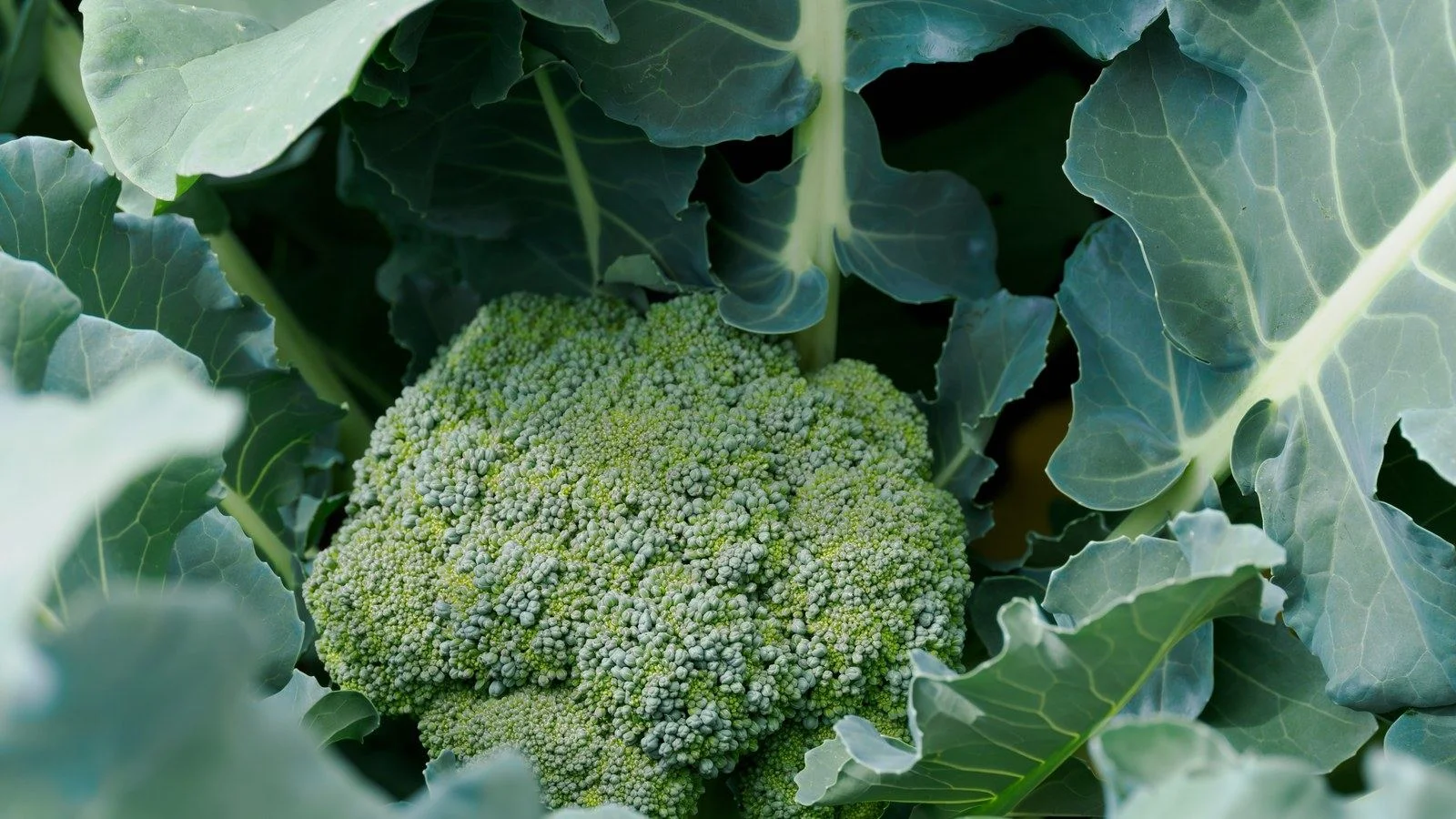
Broccoli is another vegetable you can harvest into early winter. Start broccoli in summer if you want to harvest it in fall.
Once you harvest the main broccoli head (harvest when the buds are still tight), a healthy broccoli plant can grow side shoots that you can harvest while temperatures stay mild. Before a hard freeze, harvest any heads and side shoots that are ready.
Parsnips
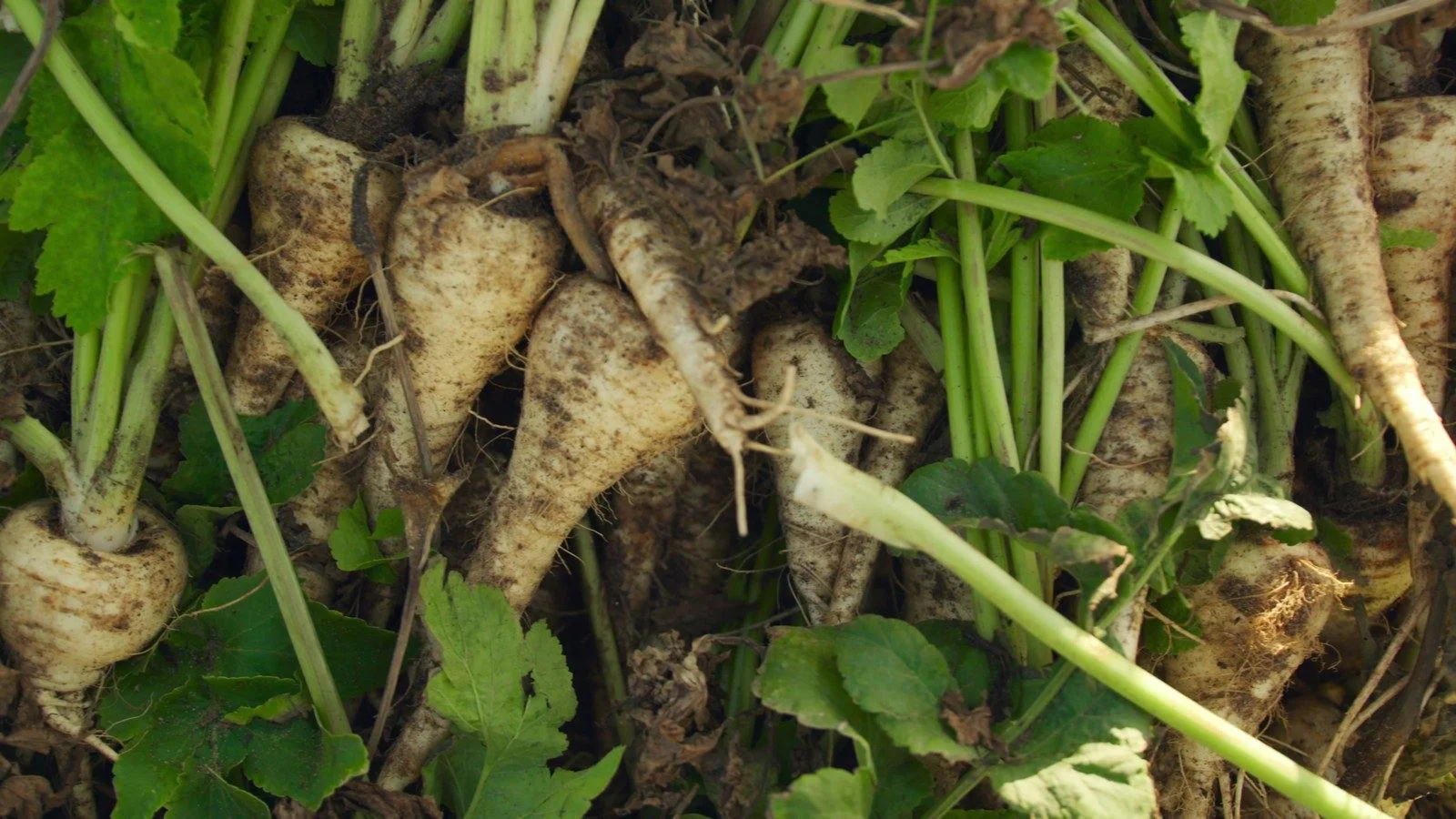
Parsnips actually get sweeter after a frost. So, it’s worth leaving them in the ground after frost hits. Parsnips take a long time to mature. But once they’re mature you can harvest them as needed over winter for recipes like roasted parsnips.
Plant parsnips directly in spring or early summer, depending on your growing season. Before the ground freezes, mulch parsnips with dry leaves or straw.
When you’re ready to harvest, loosen the soil next to the parsnip row with a fork and gently dig up parsnips to avoid breaking the long roots.
Turnips
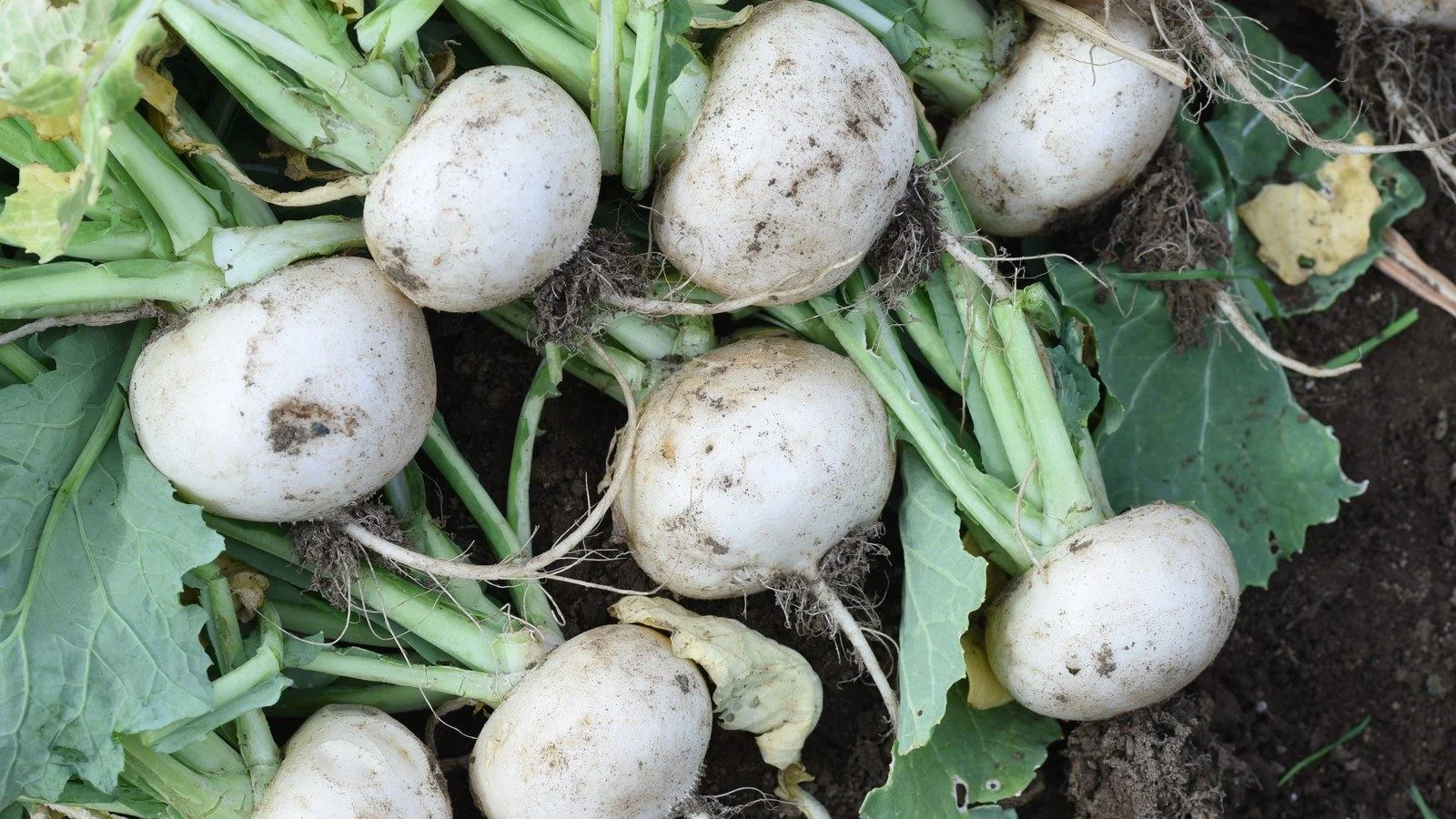
Turnips grow quickly, so they can be planted after a summer crop in late summer or early fall. Turnip greens can be harvested for cooking, too, just know that the greens are likely to show signs of cold weather damage before the turnips themselves.
Plant turnips directly and check them periodically as they’re maturing so you can pull the roots while they’re still small and tender.
Harvest turnips as needed for use and mulch to help protect them after frost hits. Before a hard freeze, pick any greens you want to use and lift roots that are ready.
Rutabagas
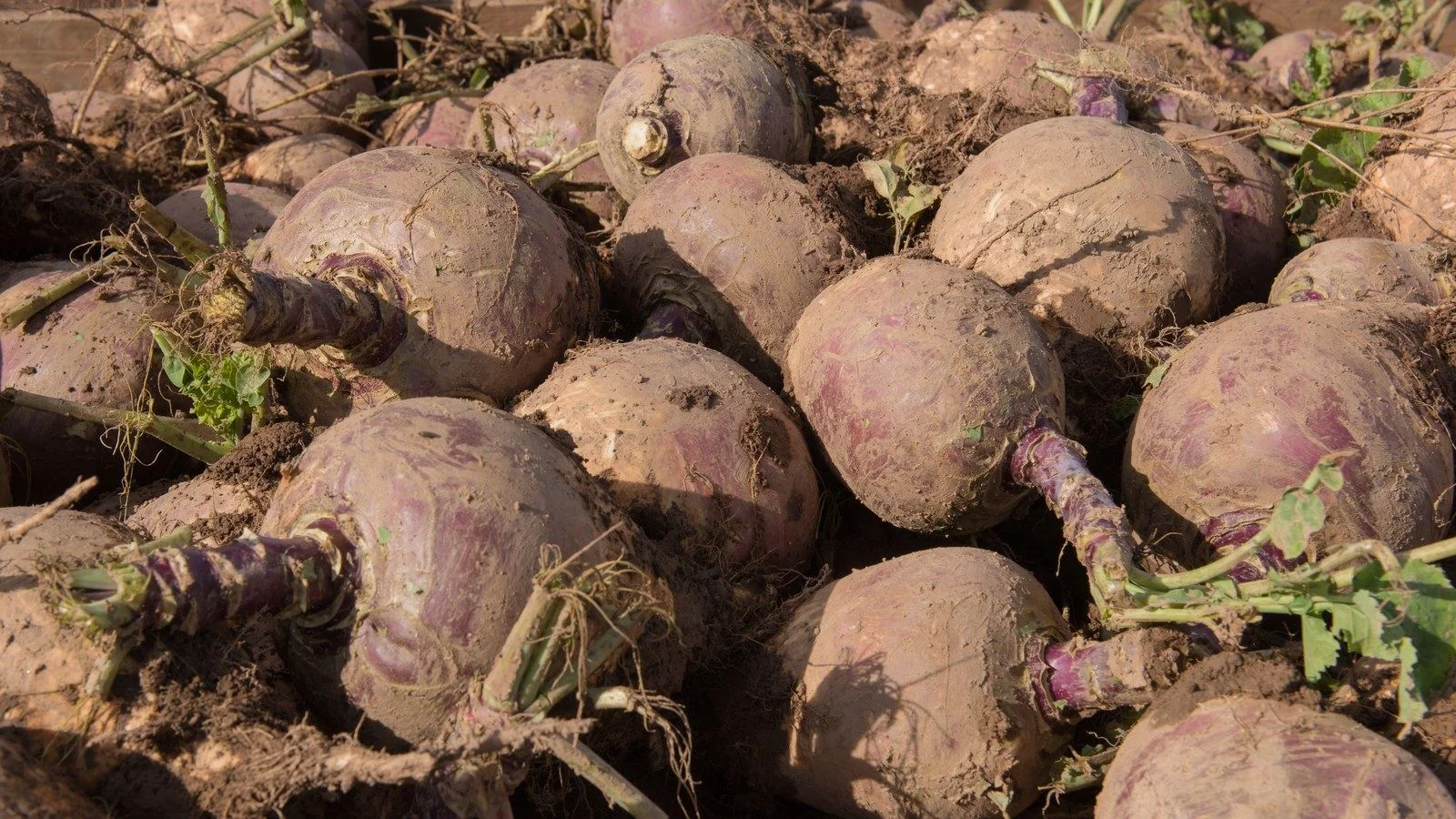
Rutabagas are great for soups and stews and roasted vegetable recipes. But, they take a long time to mature. Check the days to maturity before choosing a variety and plant in summer if you plan to harvest in the fall.
Like parsnips, rutabagas can taste even better after a light frost, but make sure to harvest rutabagas before the ground freezes solid and store them in a cool place.
Mulch can help extend the rutabaga harvest season in areas where the ground doesn’t freeze solid.
Beets
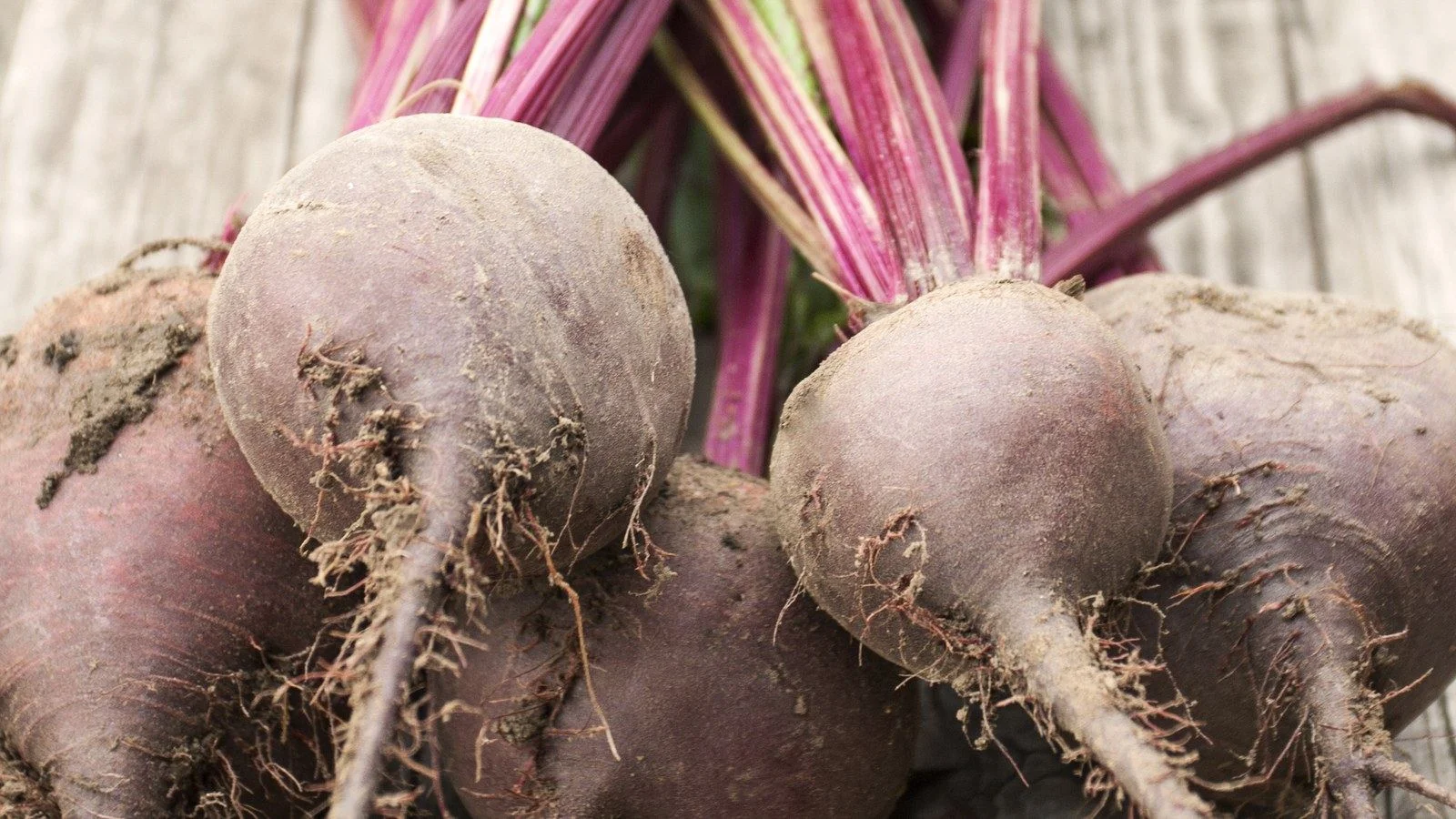
Beets can take some frost, especially if they’re mulched. Keep an eye on the shoulders of the beets, since the parts sticking out of the ground are more exposed to freezing temperatures.
Sow beets in late summer if you want to harvest in the fall. Check them periodically once they’re close to mature. Harvest or mulch beets with exposed shoulders before a hard freeze. Once a stretch of hard freezes is predicted, harvest the mature beets you plan on keeping.
If you grow beets, you can always pull them before the frost, and store them, or pickle them, if you have plenty in your harvest.
Swiss Chard
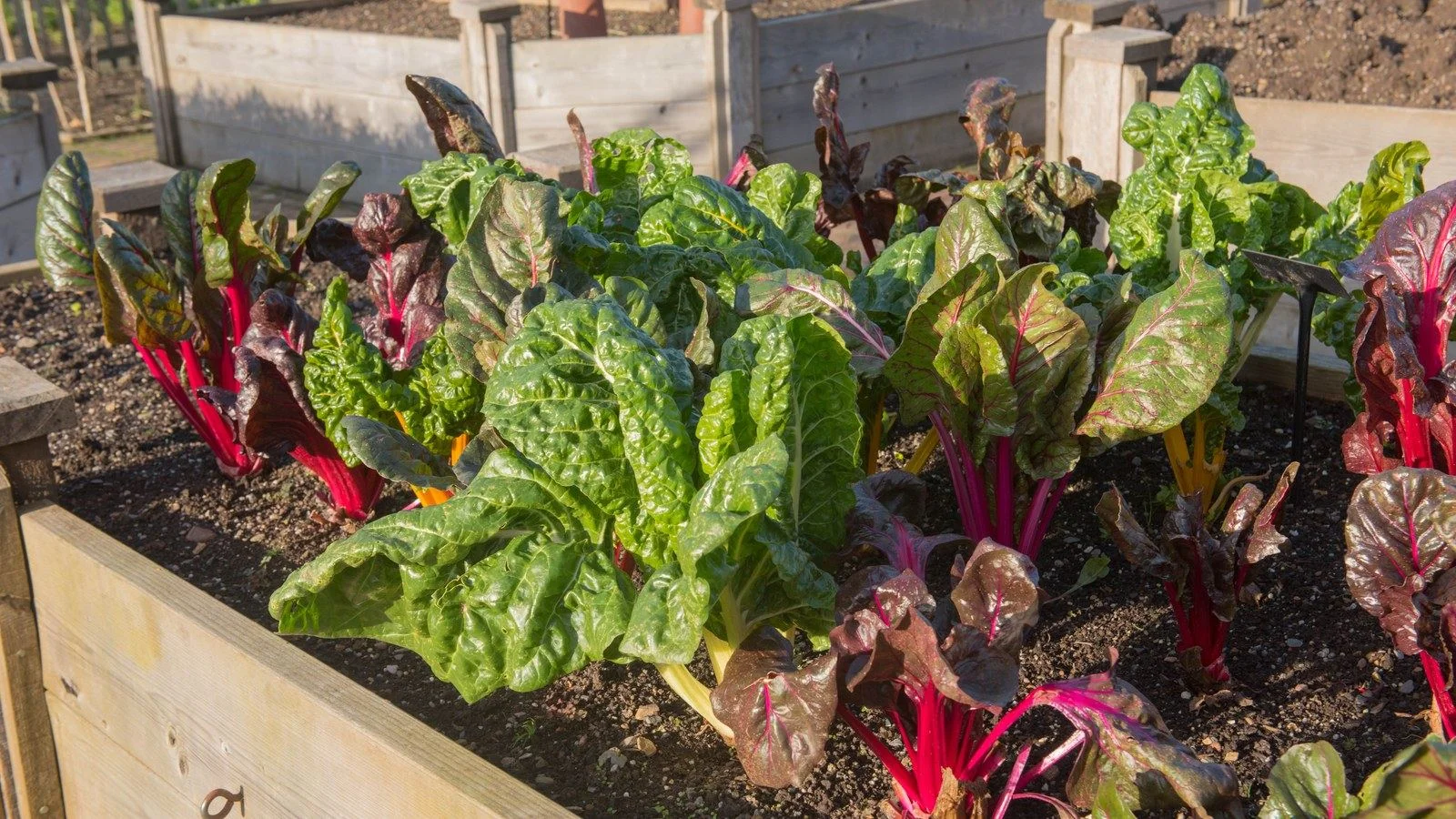
Swiss chard can be a great way to extend a fall garden into early winter, especially if you use a cold frame or a low tunnel. In areas with mild winters, Swiss chard grown with a low tunnel cover may even produce again when weather warms up.
Sow in late summer and begin harvesting as needed in fall, cutting larger stalks and leaves and allowing smaller ones to continue growing.
Swiss chard isn’t as cold-hardy as spinach or kale. So, pay attention to the weather forecast and plan on harvesting Swiss chard before extended periods of hard freeze.
Arugula
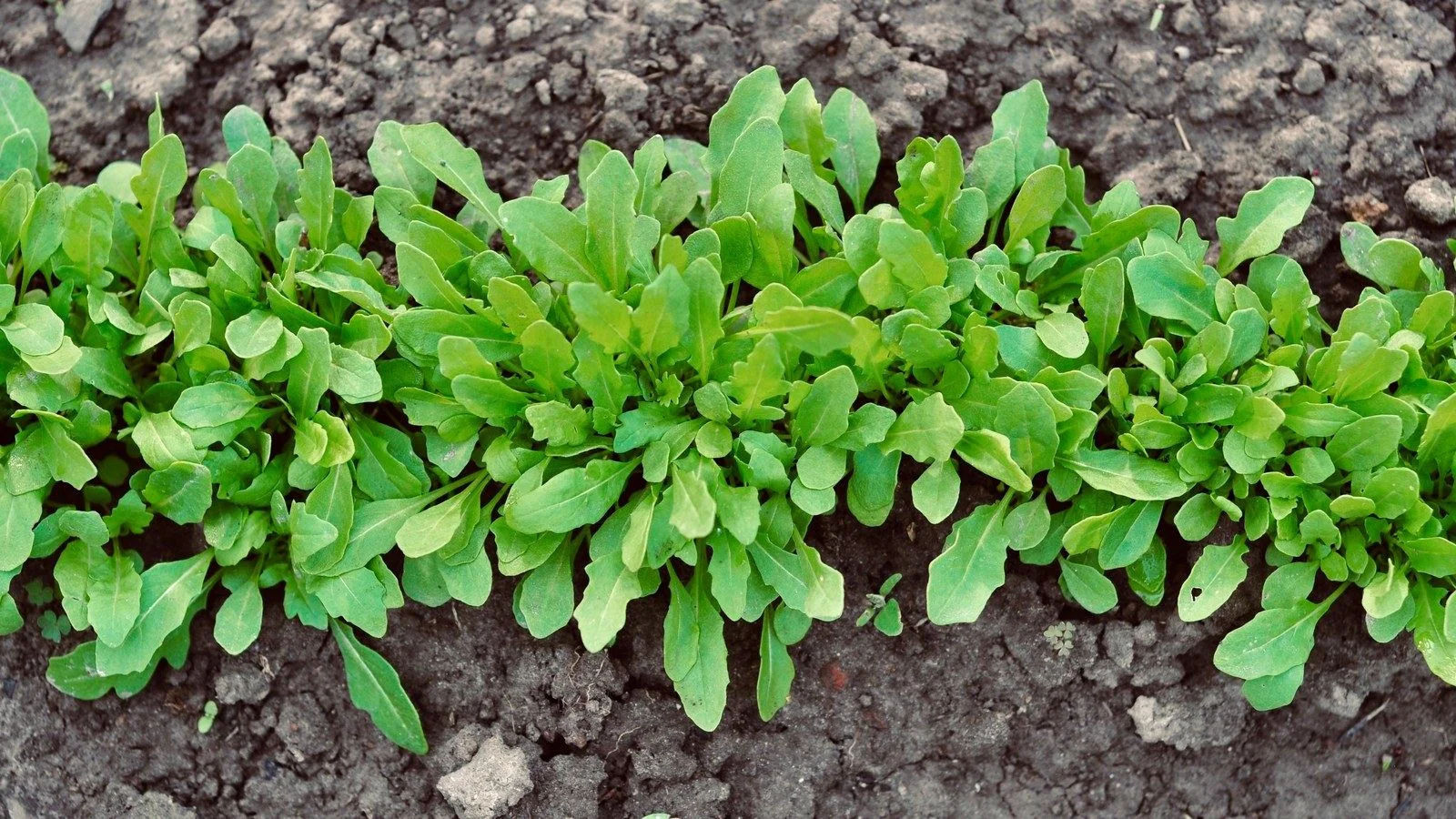
Arugula matures quickly in cool fall weather and can be harvested while the leaves are small. Sow arugula in late summer or early fall and cover with a cold frame or low tunnel as weather cools.
Harvest on days when plants aren’t frozen to avoid tearing and damage. Harvest only as many leaves as you need at a time.
Winter Lettuce
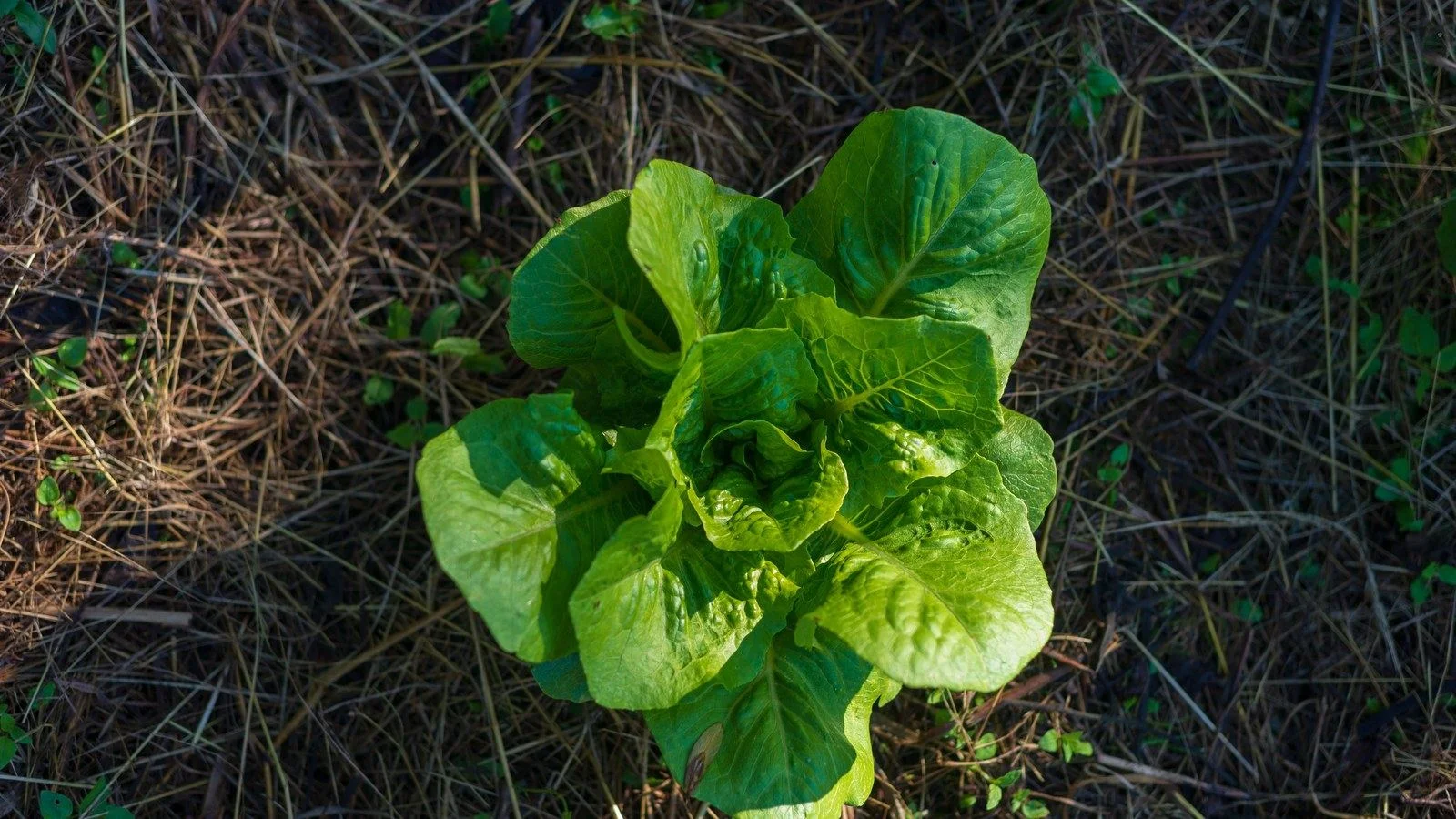
Lettuce varieties like ‘Winter Density’ and ‘Rouge d’Hiver’ are suited to cooler weather. Plant these varieties early enough in the season that the lettuce plants will have time to put on leaves before day length slows lettuce growth in fall.
Once lettuce is growing, cover with a low tunnel or cold frame to extend the harvest season into winter. Just be sure to vent the cover on sunny days to avoid overheating and close again before nighttime temperatures drop.
Bok Choy
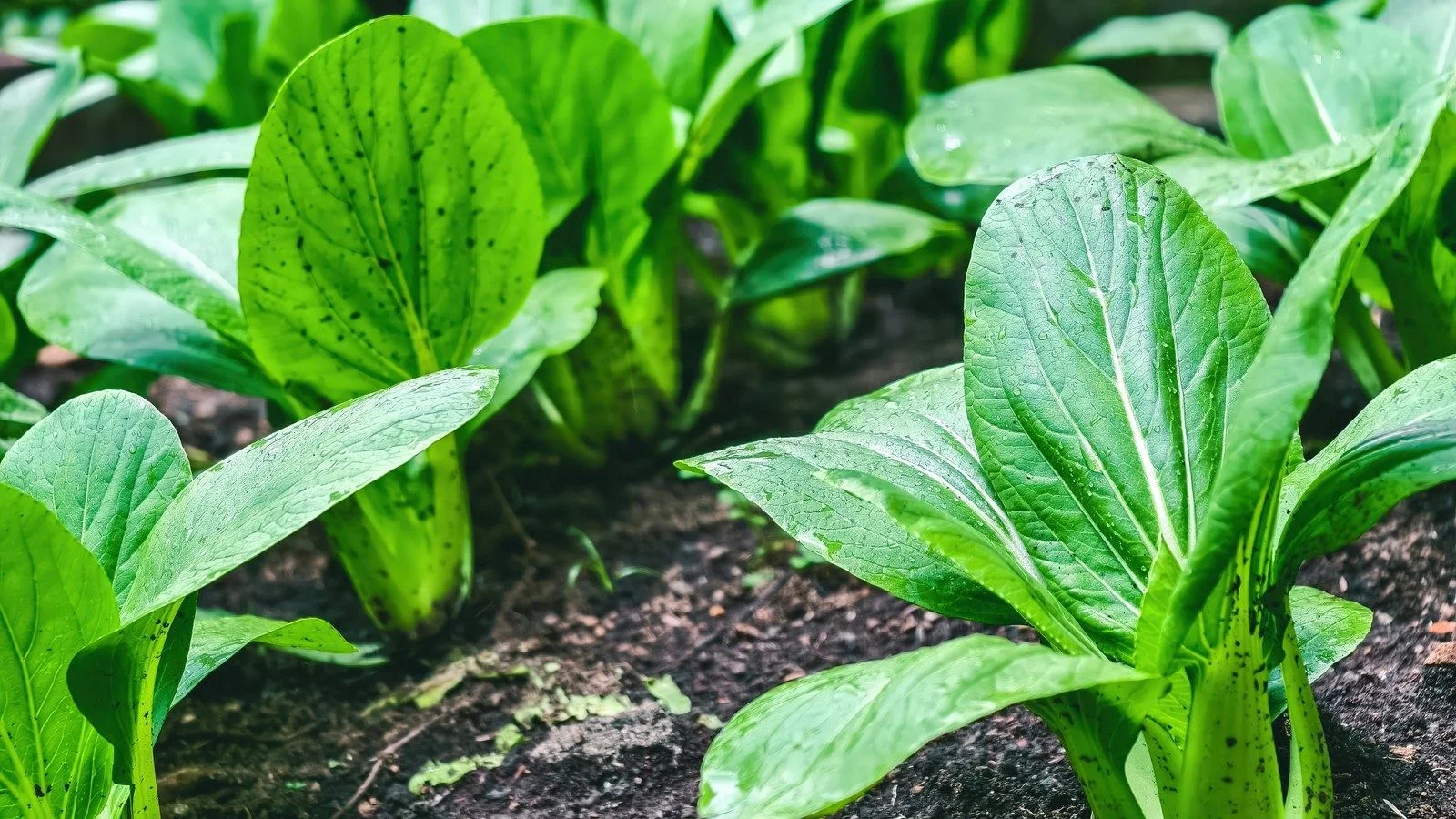
Bok choy can also be harvested at several stages, and it grows quickly as fall weather cools. If cold weather hits sooner than you expected, you can enjoy young bok choy in stir fry!
Sow in late summer or early fall and set up a low tunnel before frost becomes a regular occurrence. The cover can help the crop through light frosts and keep snow off the leaves. Cut mature heads before a hard freeze.
Garlic
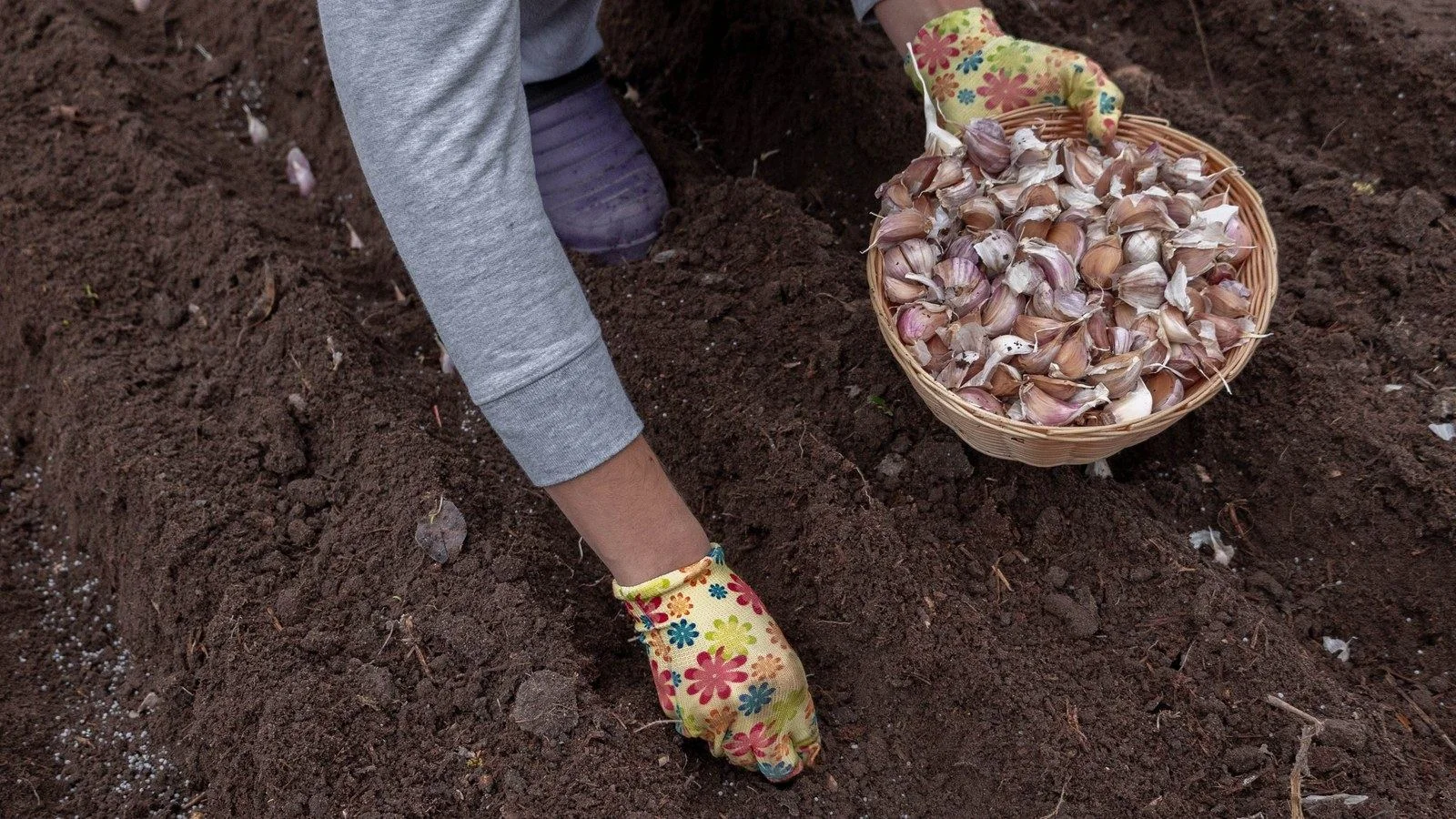
Garlic planted in fall provides a harvest the following summer. Garlic planted in fall will start to grow roots before going dormant for winter, giving the plant a head start when growing conditions return in spring.
Plant garlic cloves in individual holes a few weeks before the ground usually freezes and mark the row so you’ll remember where it is when you’re looking for sprouts in spring.
Mulch garlic rows with shredded leaves or straw before the ground freezes to protect the cloves from repeated freeze-thaw cycles.