Farmers Concerned About AI Data Centers’ Water Demands
Technology companies are starting to expand infrastructure, leaving farmers asking questions about the water demands data centers may place on communities.
Farmers Concerned About AI Data Centers’ Water Demands
Technology companies are starting to expand infrastructure, leaving farmers asking questions about the water demands data centers may place on communities.
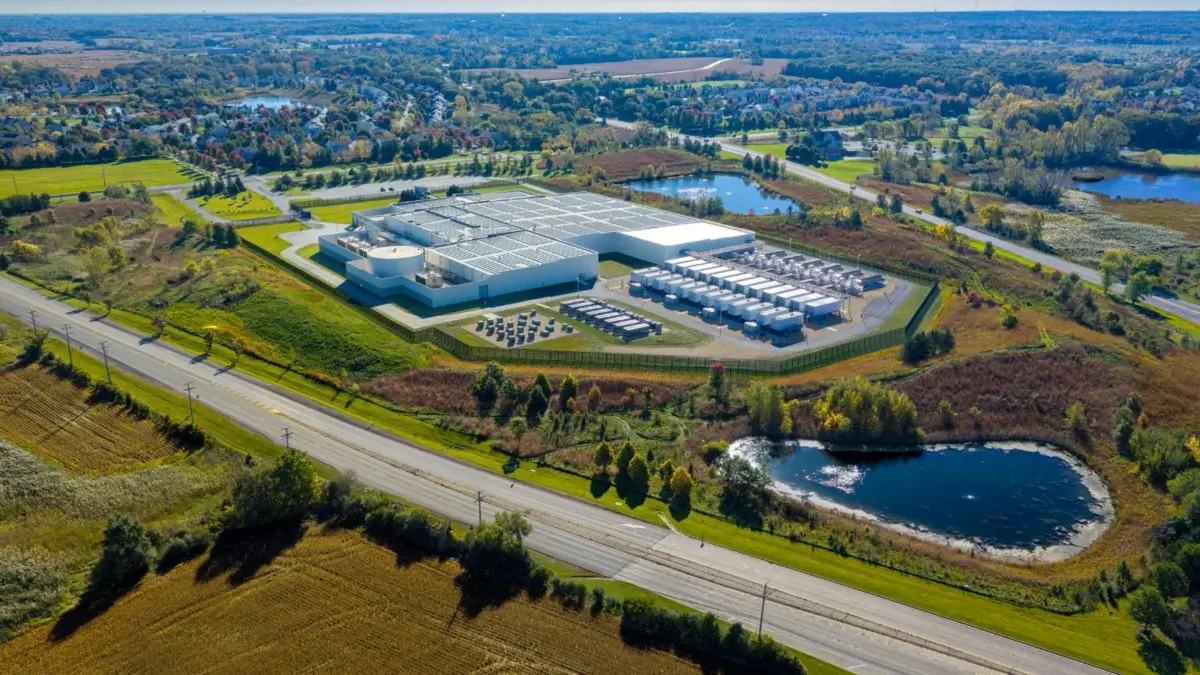
In many rural communities around the United States, concerns about water availability are becoming part of the conversation around data center construction. Particularly in communities where agriculture is an important part of the local economy.
During a November 12 webinar hosted by the Iowa Farmers Union, Jess Mazour, conservation coordinator for the Iowa chapter of the Sierra Club, discussed the potential impact of data centers on the state’s water resources.
“We deserve to know if it’s coming from an aquifer, a river, how much, what kind of cooling systems,” Mazour said, according to Brownfield Ag News.
Mazour also questioned whether Iowa has enough information about its groundwater supplies to evaluate future water demands.
This issue is extremely important to more rural communities, where farms, livestock operations and households rely on a dependable water supply. While this largely depends on the water source and local conditions, additional industrial water demand may be a cause for concern. Especially, during periods of extreme draught.
Google’s New Proposed Iowa Data Center
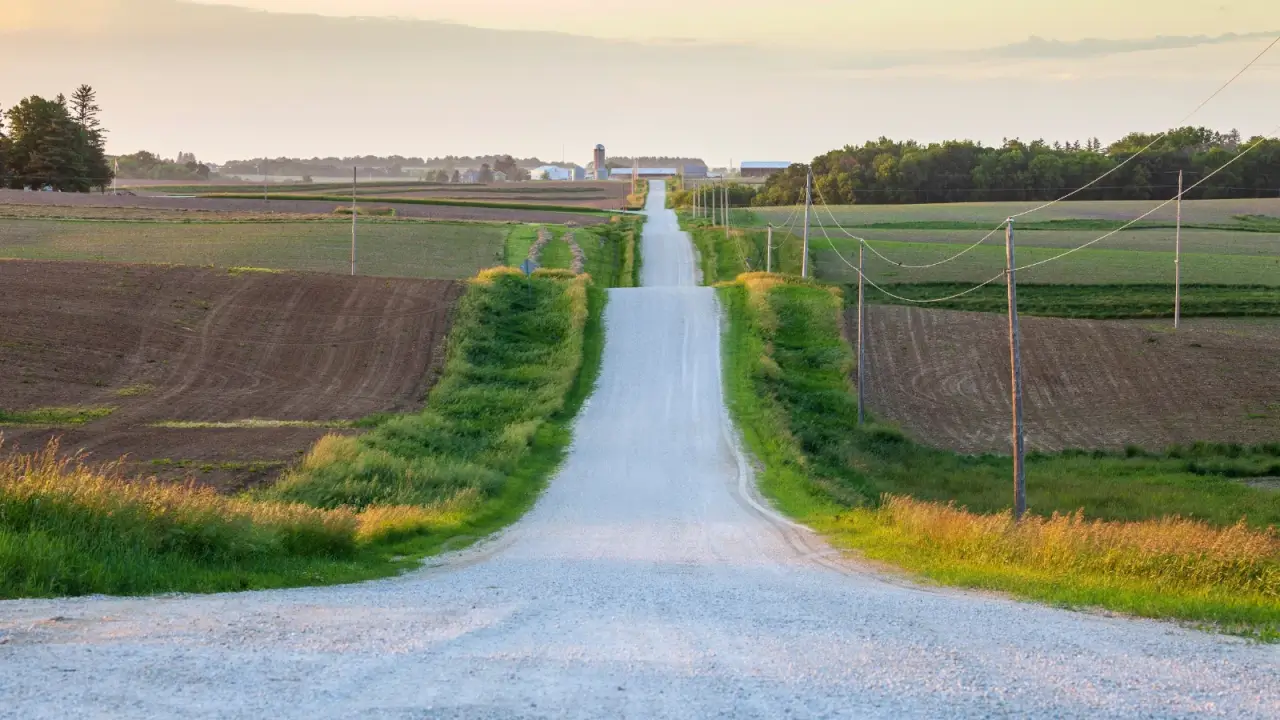
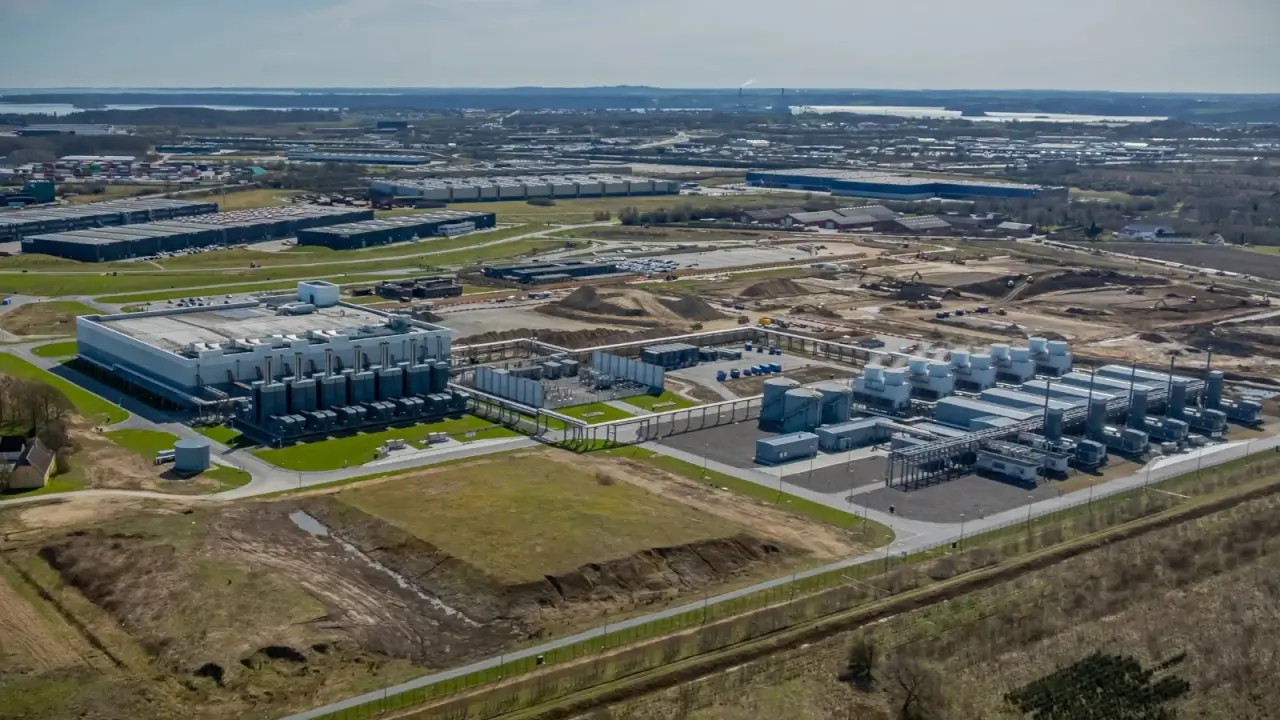
One project drawing attention is Google’s proposed six-building data center near Palo, Iowa, outside Cedar Rapids.
During an October 22 public meeting, Google representatives outlined plans for a facility expected to use approximately 10 million to 14 million gallons of water per day, according to KCRG-TV. Those figures are projections for the proposed data canter, rather than measurements of actual water consumption.
At the meeting, Google representatives said they believe the region has sufficient water capacity to support the proposed facility.
According to KCRG-TV, the proposed facility would not use a closed-loop cooling system. Water requirements can vary considerably depending on the cooling technology used and local operating conditions.
The current proposal has generated a broader discussion about how large developments should be evaluated before construction begins.
Earlier this year, Linn County adopted regulations requiring detailed water studies for large data center projects, including an examination of potential impacts on water supplies.
In March, Google withdrew its proposal to develop the project in unincorporated Linn County. It began pursuing development through the nearby city of Palo instead.
The two jurisdictions have taken different approaches to how they plant to regulate data center development. Palo’s ordinance relies on the Iowa Department of Natural Resources for water oversight.
The project remains a subject of public discussion. Many residents and local officials have raised questions about future water demand and infrastructure planning.
Google Agrees to Fund Independent Water Study
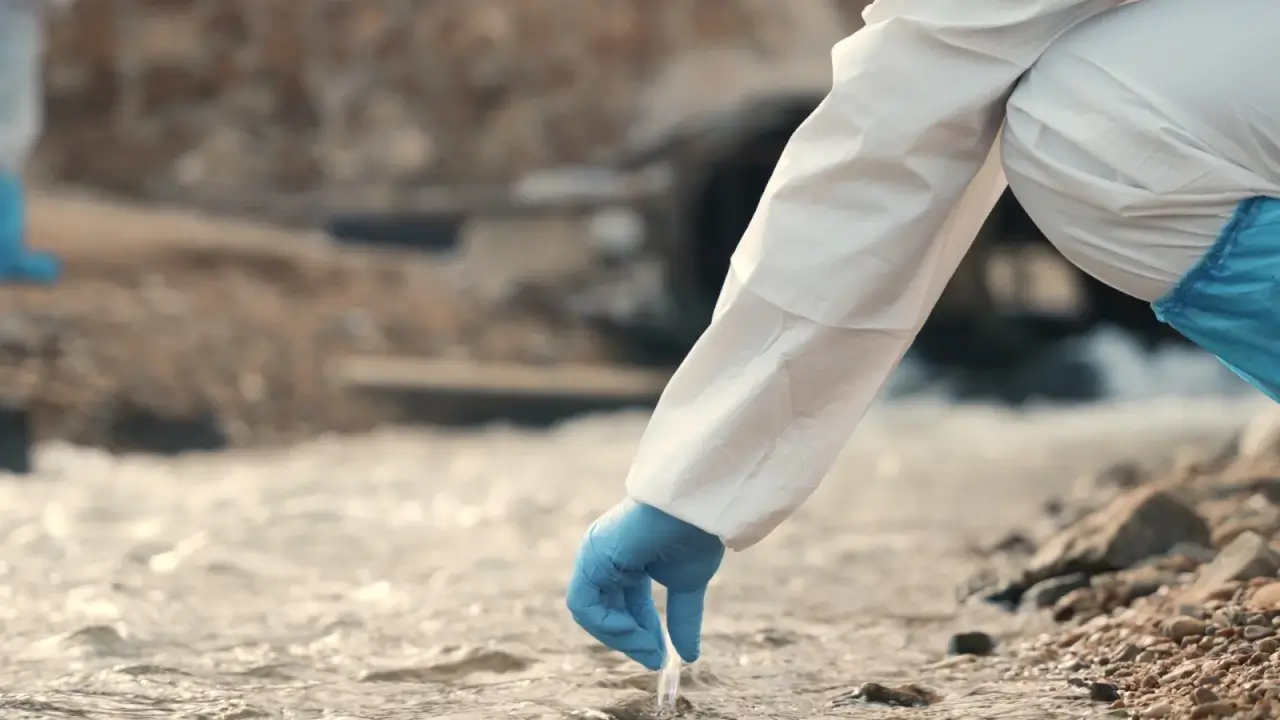
On October 28, Linn County approved an agreement with Google to fund an independent study of regional water resources. The study is intended to provide additional data for future water planning and development decisions.
Under the agreement, Google will contribute up to $242,323 toward the first phase of the study, which will be conducted by consulting firm Black & Veatch.
According to Linn County, the study will examine existing water resources, future demand and potential drought conditions. The Cedar River and several connected groundwater sources will be included in the analysis.
Linn County will oversee the work, including the study’s scope and selection of the consultant. Google will provide funding. Google will not direct the research or approve its findings. The county expects the first phase to be completed in March 2027.
The agreement does not indicate whether Linn County supports or opposes Google’s proposed development.
Iowa’s Water Reporting Requirements
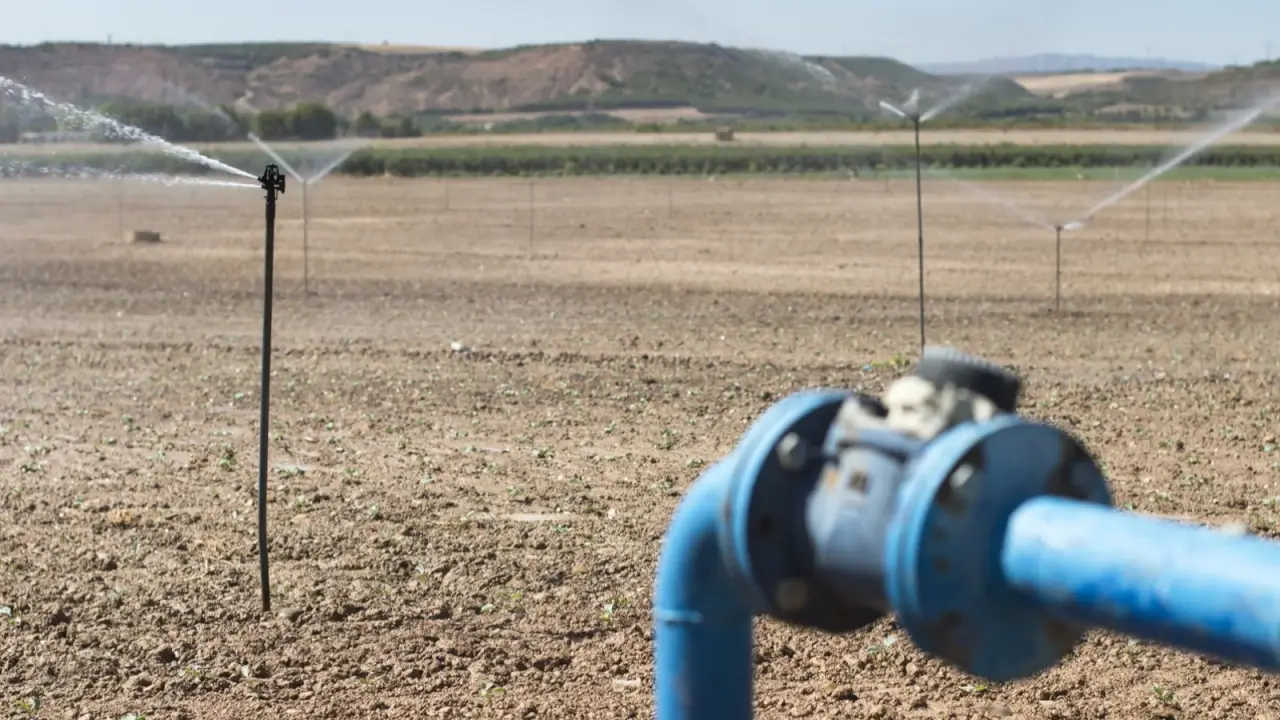
The state of Iowa already regulates large water withdrawals through its Department of Natural Resources.
Entities withdrawing 25,000 gallons or more of surface water or groundwater within a 24-hour period generally require a permit from the Iowa Department of Natural Resources.
The DNR evaluates applications to determine whether proposed withdrawals are considered sustainable and whether they could potentially interfere with nearby wells.
However, the information collected about individual data centers is limited. According to the Iowa DNR, most data centers in the state obtain water through municipal utilities rather than withdrawing it directly.
Those utilities hold the required permits. Because municipal systems do not report individual customers’ usage to the DNR, the department does not directly receive exact water-use figures for each data center.
This distinction has become part of the discussion about transparency new facilities continue to be proposed.
What Happens Next?
During the 2026 legislative session, Iowa lawmakers considered House File 2690, legislation addressing water and electricity reporting requirements for data centers.
The bill didn’t advance, leaving the issue unresolved ahead of the next legislative session.
The Iowa Farmers Union’s adopted 2026 policy supports water-conservation measures, recycled-water cooling systems and greater transparency about the potential impacts of data centers on local communities. They also oppose public tax incentives for data center construction.
Large data centers can provide economic benefits. Some benefits include jobs, tax revenue and infrastructure investment. At the same time, their resource requirements have prompted questions about long-term planning.
The upcoming Linn County study may provide additional information about regional water availability and potential future demand. Its findings could also help inform discussions about how Iowa manages water resources as data center development continues.