Brined and Roasted Leg of Lamb with Gremolata
Katy prefers a boneless, or butterflied, leg of lamb for roasting, because the cut cooks faster and more evenly. Although the brine brings subtle flavor to the meat, you can skip this step if pressed for time.
Ingredients
- ¼ cup sugar
- ¼ cup salt
- Juice of 1 lemon (about 3 tablespoons), plus spent lemon, quartered
- 1 tbsp tablespoon red or black peppercorns
- 1 tbsp fennel seeds
- 6 bay leaves
- 1 butterflied boneless leg of lamb 4†“5 pounds
- 2 cups parsley leaves
- ½ cup olive oil
- ¼ cup fresh rosemary leaves, plus 2 sprigs for garnish
- ¼ cup chopped shallots
- 2 tbsp lemon zest
- Freshly ground black pepper
- Preserved lemon wedges for serving
Instructions
-
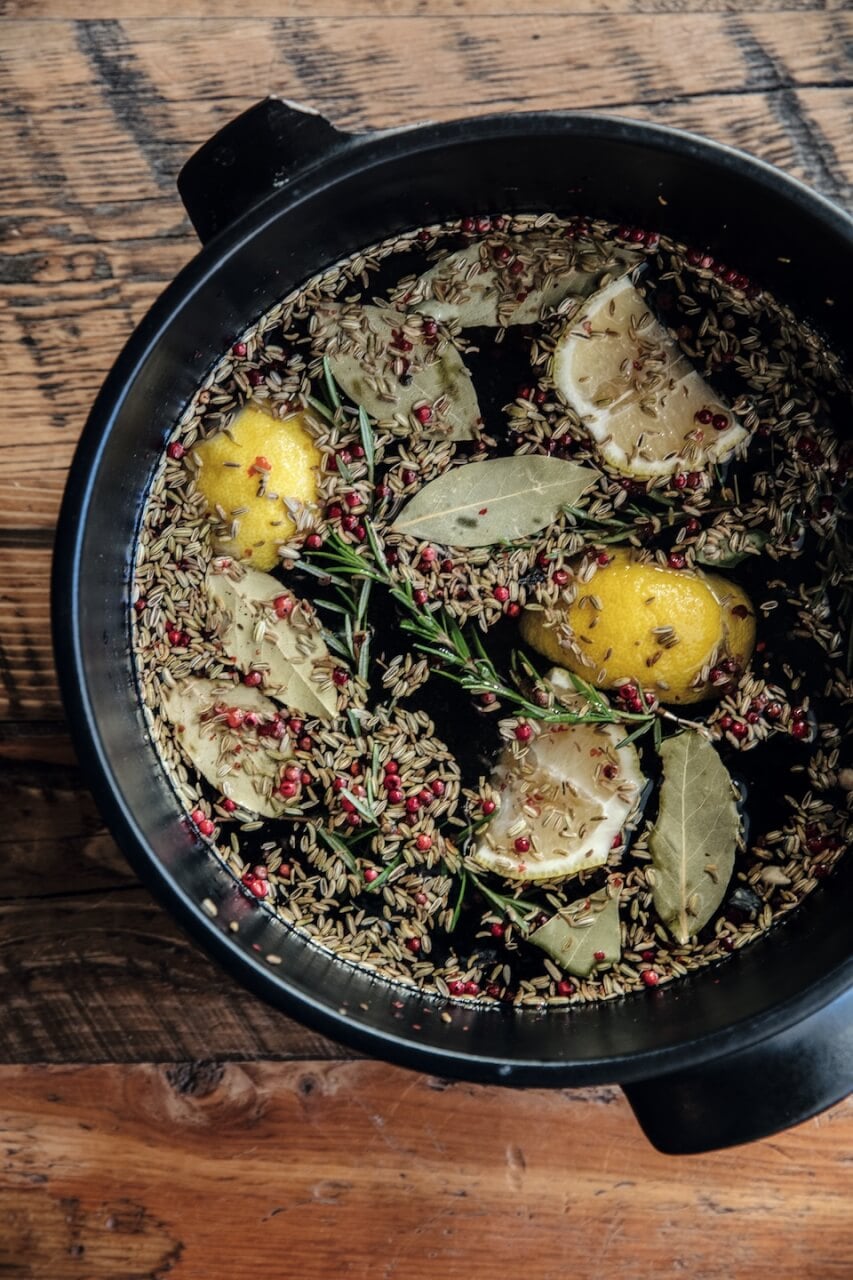
Approximately 8 hours before you plan to serve the lamb, prepare brine: In a large stockpot over medium heat, bring 2 quarts water, sugar, salt, lemon juice, spent lemon quarters, peppercorns, fennel seeds, and bay leaves to a simmer, stirring until sugar and salt dissolve. Place pot in the refrigerator to cool.
-
Meanwhile, carefully trim excess fat from lamb, making sure the meat stays in one piece. Submerge the meat in the cooled brine and return to the refrigerator for at least 4 hours but no more than 6.
-
Remove lamb from brine and pat dry with paper towels. Transfer to a wire rack set over a rimmed baking sheet; let any additional liquid drain and allow meat to return to room temperature, about 1 hour.
-
Meanwhile, make the gremolata: In a food processor, pulse together parsley, oil, rosemary, shallots, and lemon zest until combined but still coarse in texture.
-
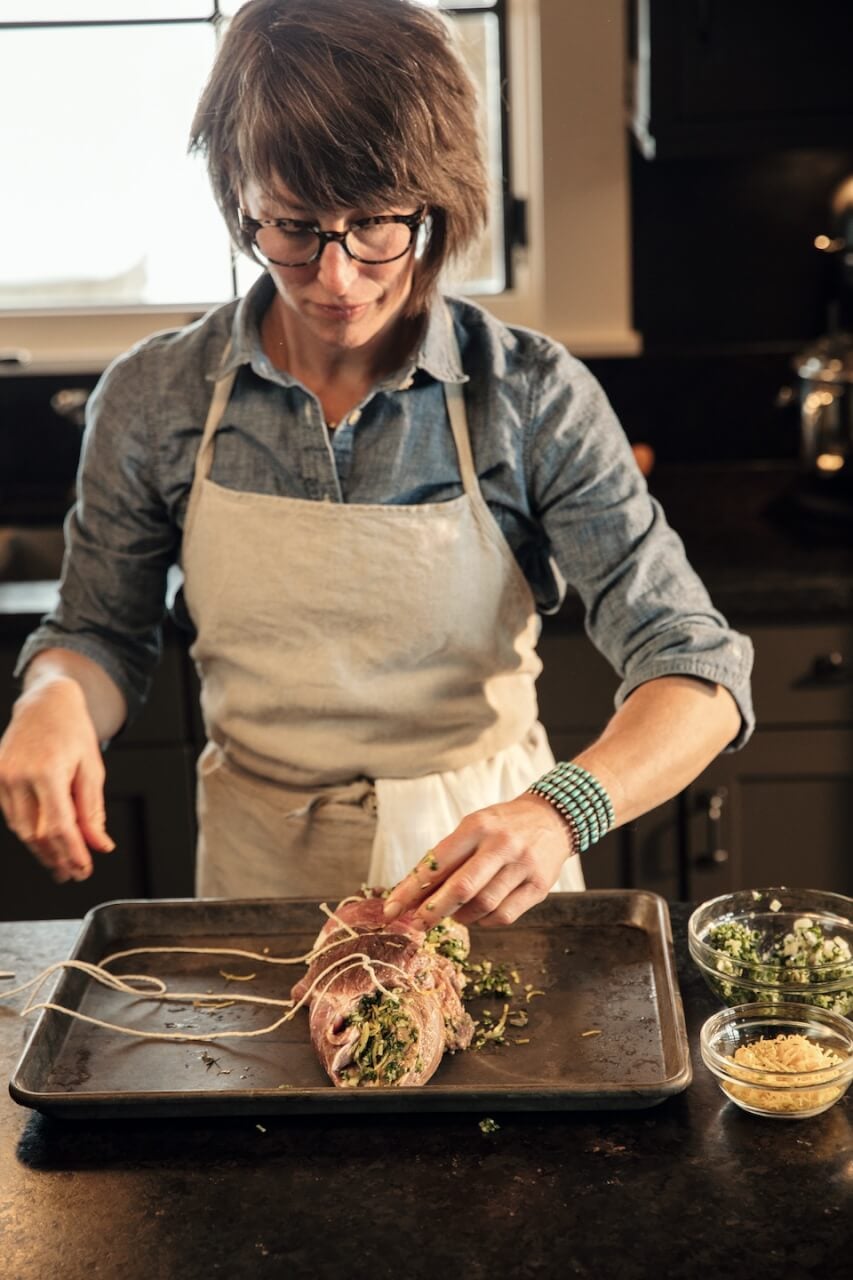
Preheat oven to 425°F. Meanwhile, place lamb on a cutting board with the side that was on the bone facing up (it will have a more irregular surface). Season lamb with pepper, then rub with two-thirds of the gremolata. Fold meat in half, enclosing gremolata, then rub remaining gremolata on the outside. Using butcher's twine, tie lamb in three places to secure it in a log shape, then place it in a roasting pan and cook for 35 to 40 minutes, or until an instant-read thermometer inserted into thickest part of meat reads 130°F for rare or 135°F for medium-rare. Transfer lamb to a clean cutting board and allow to rest for 15 minutes.
-
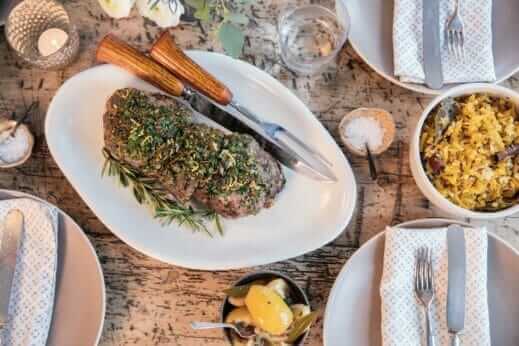
Remove twine and cut meat into ¼-inch-thick slices; transfer to a platter, garnish with rosemary sprigs, and serve warm with preserved lemon wedges on the side.